
A flooded basement, burst pipe, or sewage backup does not leave much time for research. Yet water restoration reviews can provide meaningful direction when you need to choose a company quickly. The key is looking beyond a star rating to find evidence of how a team responds, communicates, protects property, and follows through after the immediate emergency.
For homeowners, the decision often happens in the middle of the night or during a stressful workday. For facility managers and business owners, water damage can threaten operations, inventory, tenant relationships, and safety. Reviews cannot replace a proper on-site assessment, but they can help you identify a restoration provider that brings order to a disruptive situation.
What Strong Water Restoration Reviews Have in Common
The most useful reviews describe the experience in specific terms. A comment such as “great service” is positive, but it does not tell you much about how the company performed when water was spreading through flooring, walls, or stored belongings. Look for reviews that explain what happened, how quickly the crew arrived, what work was completed, and whether the customer felt informed along the way.
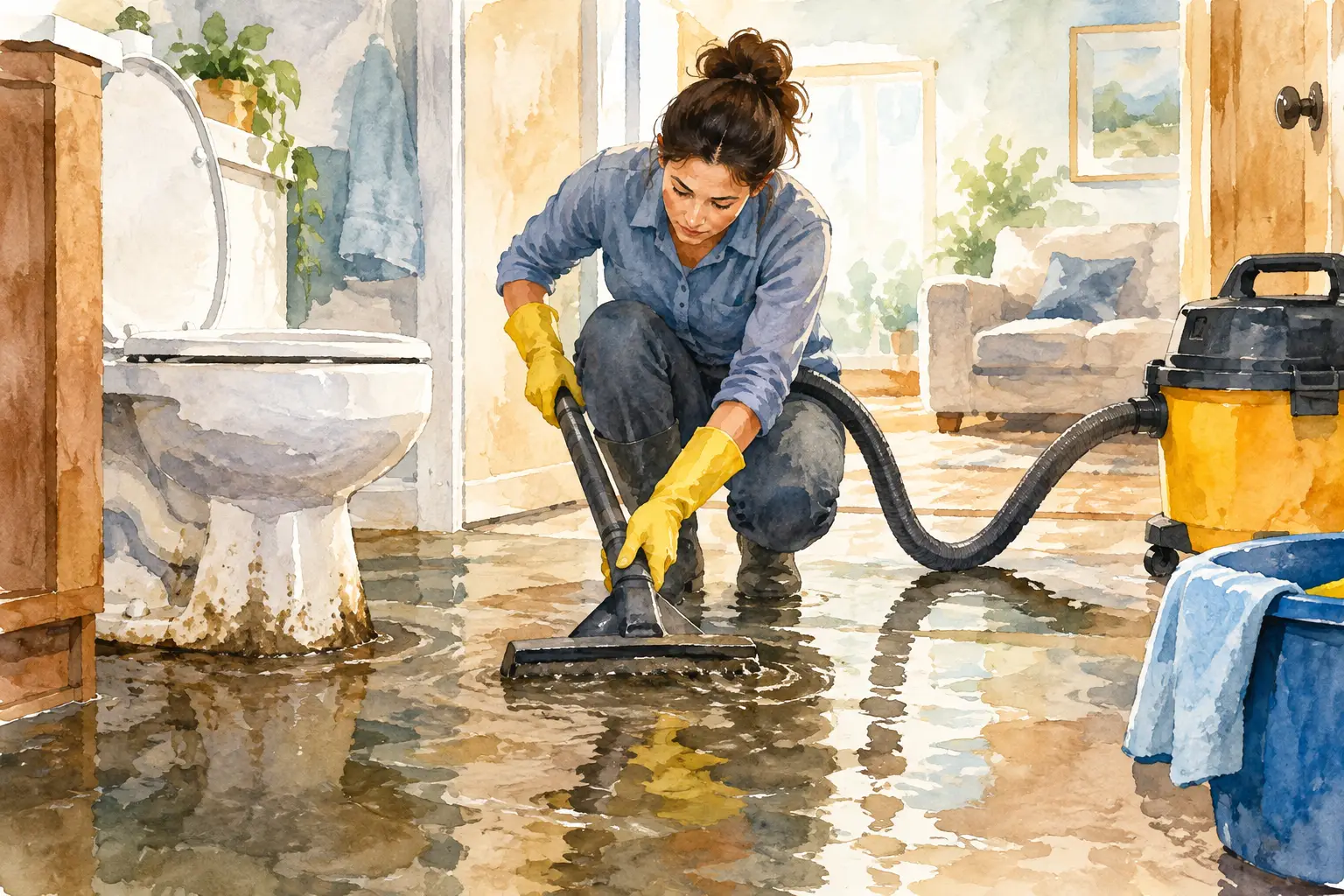
Response time matters because water damage gets worse as it sits. Moisture can move beneath flooring, wick into drywall, affect insulation, and create conditions where mold may develop. Reviews that mention prompt arrival, immediate extraction, containment, and drying equipment point to a team that understands the first priority: stopping additional damage.
Communication is equally revealing. Property owners should not have to guess what is happening in their home or building. Strong reviews often mention technicians who explained the scope of damage, set clear expectations, provided updates, and answered questions about drying, repairs, and insurance documentation. This is especially valuable on larger commercial losses, where multiple decision-makers may need timely information.
A good review may also mention professionalism in the details: crews who protected unaffected areas, handled belongings with care, arrived when promised, kept work areas organized, and treated occupants respectfully. Restoration work can be intrusive. The right team minimizes that burden while moving the project forward.
Read for the Full Recovery Process
Water removal is only one part of restoration. A company can extract visible water quickly and still leave a customer facing damaged materials, lingering odor, incomplete repairs, or confusion about what comes next. When reading reviews, look for signs that the provider managed recovery from assessment through mitigation and restoration.
Assessment and documentation
Before work begins, the restoration team should identify the source of the loss, assess affected materials, and determine how far moisture has traveled. Reviews may refer to moisture readings, photographs, written findings, or direct conversations about the recommended plan. Those details suggest the company is making decisions based on the condition of the property, not assumptions.
Documentation is also important when an insurance claim is involved. No contractor can promise what an insurer will approve, and coverage depends on the policy and cause of loss. Still, an experienced restoration company should know how to document emergency services, communicate clearly about the work performed, and help customers understand the information their insurance carrier may request.
Mitigation that protects the property
Mitigation is the work that limits further damage. Depending on the situation, it may include water extraction, removal of unsalvageable materials, cleaning, antimicrobial treatment when appropriate, structural drying, and dehumidification. The best reviews often reflect this urgency without making the process sound rushed or careless.
Be cautious with comments that focus only on speed if they provide no indication of quality. A fast response is essential, but proper drying takes time and monitoring. Drying equipment may need to remain in place for several days, and technicians should return to check moisture levels and adjust the plan as conditions change. A company that explains this process is protecting the structure, not simply clearing the job quickly.
Restoration and rebuilding
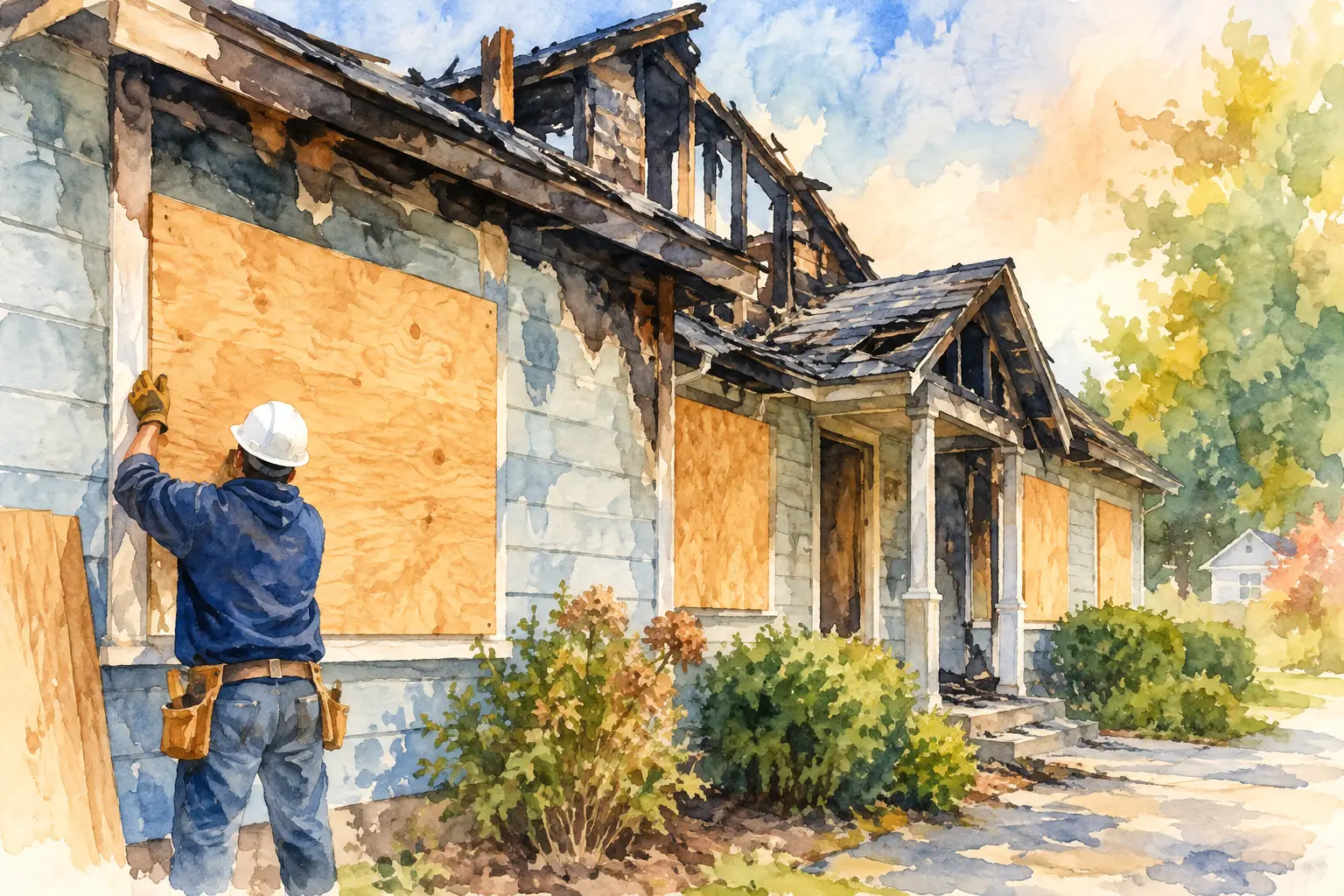
After the affected area is dry and safe, the property may need repairs. That can range from replacing baseboards and flooring to rebuilding walls, cabinets, ceilings, or finished commercial spaces. Reviews that describe a smooth handoff from emergency mitigation to reconstruction are worth close attention.
Using separate vendors for extraction, cleaning, repairs, and reconstruction can work, but it puts more coordination on the property owner. A full-service provider can create one accountable recovery process, reducing delays and helping maintain continuity from the first emergency call through final repairs.
How to Spot Reviews That Are More Useful Than a Star Rating
A high average rating is encouraging, but the review pattern matters more than one number. Read recent feedback first. Restoration companies can change staffing, response capacity, and service practices over time, so current experiences are especially relevant.
Next, look for reviews involving a situation similar to yours. A homeowner with a washing machine overflow may need different support than a restaurant with a drain backup or a warehouse with widespread water intrusion. The underlying restoration principles are similar, but the scale, documentation needs, operating constraints, and timeline can be very different.
Pay attention to how a company responds when a review raises a concern. A professional response should be respectful, specific where appropriate, and focused on resolving the issue. Defensive or dismissive replies may indicate how the company handles problems when conditions become complicated.
It also helps to recognize that every restoration project has variables. Access to the damaged area, the type of building materials, the source and category of water, insurance requirements, and the availability of replacement materials can all affect timing. The most credible reviews usually do not promise a perfect experience. Instead, they describe a provider that was honest, responsive, and committed to moving the recovery forward when challenges arose.
Questions to Ask Before You Call
Reviews should narrow your options, not end your evaluation. When water damage is active, call a qualified restoration company right away and ask direct questions. Can the team respond 24/7/365? Will they perform an on-site assessment and explain the mitigation plan? How will they document the loss and communicate progress? Can they manage reconstruction if repairs are needed after drying is complete?
For commercial properties, ask how the company will help protect business continuity. A restaurant may need to contain affected areas and meet sanitation expectations. A multifamily property may need coordinated communication across units. A church, school, office, or warehouse may need phased work that keeps unaffected areas operating. The right provider should understand that restoring the building is connected to restoring the organization’s routine.
You can also ask who will be your main point of contact. During an emergency, a clear point person prevents repeated explanations and keeps decisions moving. This matters whether the project involves one wet room or an entire facility.
When Reviews and Availability Point in Different Directions
Sometimes the company with the most reviews cannot respond when you need help. Sometimes a newer or more local provider has fewer reviews but can dispatch an experienced team immediately. In an active water loss, availability and capability both matter.
Do not delay emergency mitigation solely to compare every option. Shut off the water source if it is safe to do so, move valuables away from the affected area when possible, and avoid entering spaces with electrical hazards or contaminated water. Then contact a restoration team that can assess the situation promptly.
For property owners across Illinois and southeastern Wisconsin, ServiceMaster Restore by DCS provides emergency response, mitigation, cleaning, and reconstruction through one organized process. The goal is not simply to dry a room. It is to protect what can be saved, document the work clearly, and restore the space so you can return to normal with confidence.
The best review is not necessarily the one with the most praise. It is the one that shows what a company does when the water is still spreading, the questions are piling up, and someone needs to take control. Read for that evidence, then make the call that protects what matters most.