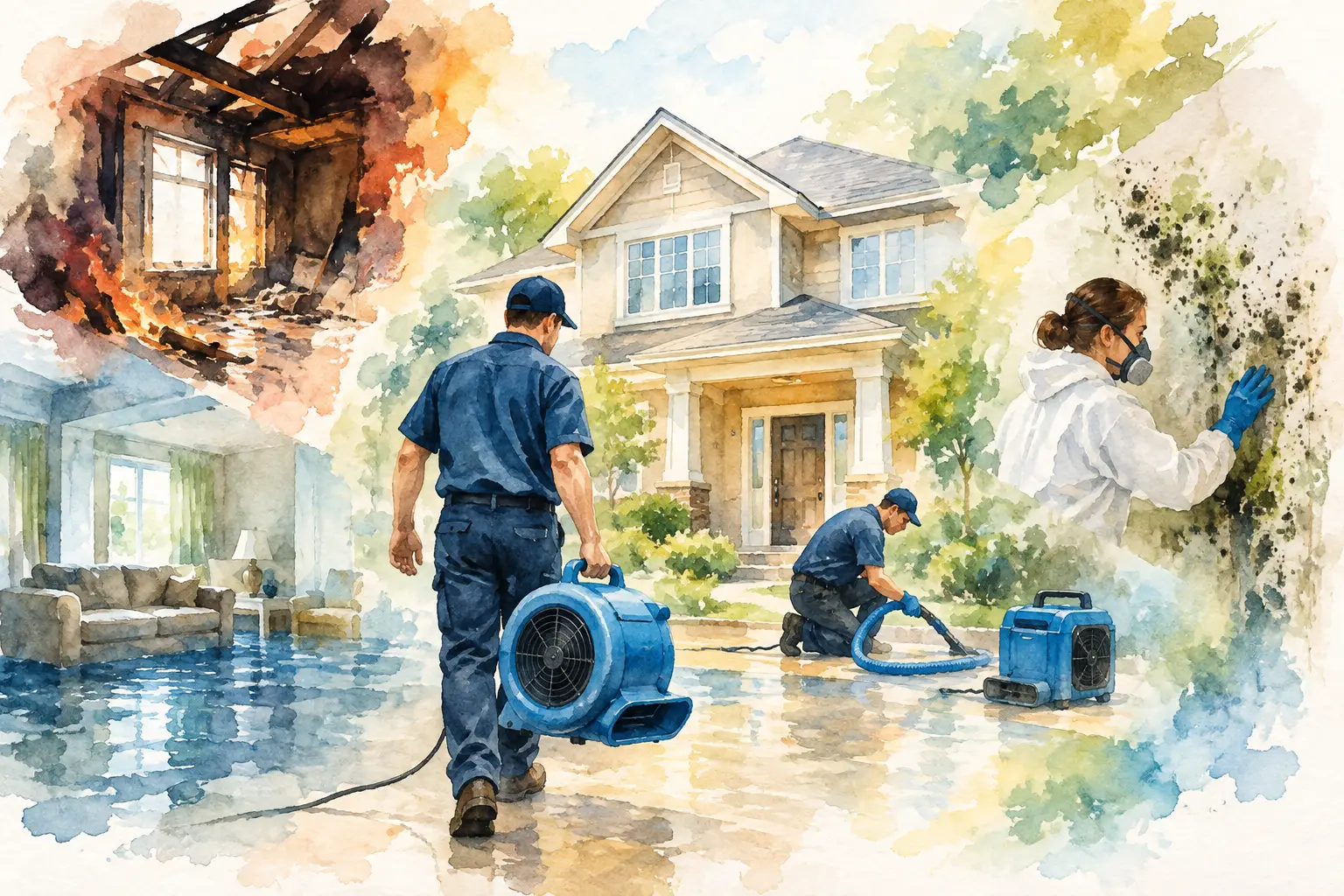
A burst pipe at 2 a.m., a kitchen fire, sewage backup, or roof damage after a storm creates more than a mess. It can interrupt your family’s routine, close a business, threaten building materials, and leave you unsure what to do first. Restoration companies step in to bring order to that uncertainty by stopping additional damage, documenting the loss, cleaning affected areas, and managing the work required to return a property to a safe, functional condition.
For homeowners, the priority may be protecting family belongings and getting life back to normal. For facility managers and business owners, it may be limiting downtime, protecting inventory, and reopening safely. In either situation, the right response starts with a team that can act quickly and manage the full recovery process.
Restoration Companies Start With Damage Control
Property damage rarely stays contained on its own. Water can travel beneath flooring and behind walls. Smoke residue can settle throughout a building, even in rooms untouched by flames. A sewage event can introduce contamination into areas that appear dry. Delays can turn a manageable loss into a larger repair project.
A professional restoration response begins with a careful assessment. The team identifies the source of damage, determines what materials are affected, evaluates safety concerns, and creates a documented plan for mitigation. This is not simply a walk-through. Moisture readings, material conditions, contamination risks, and the scope of the affected area all shape the recovery plan.
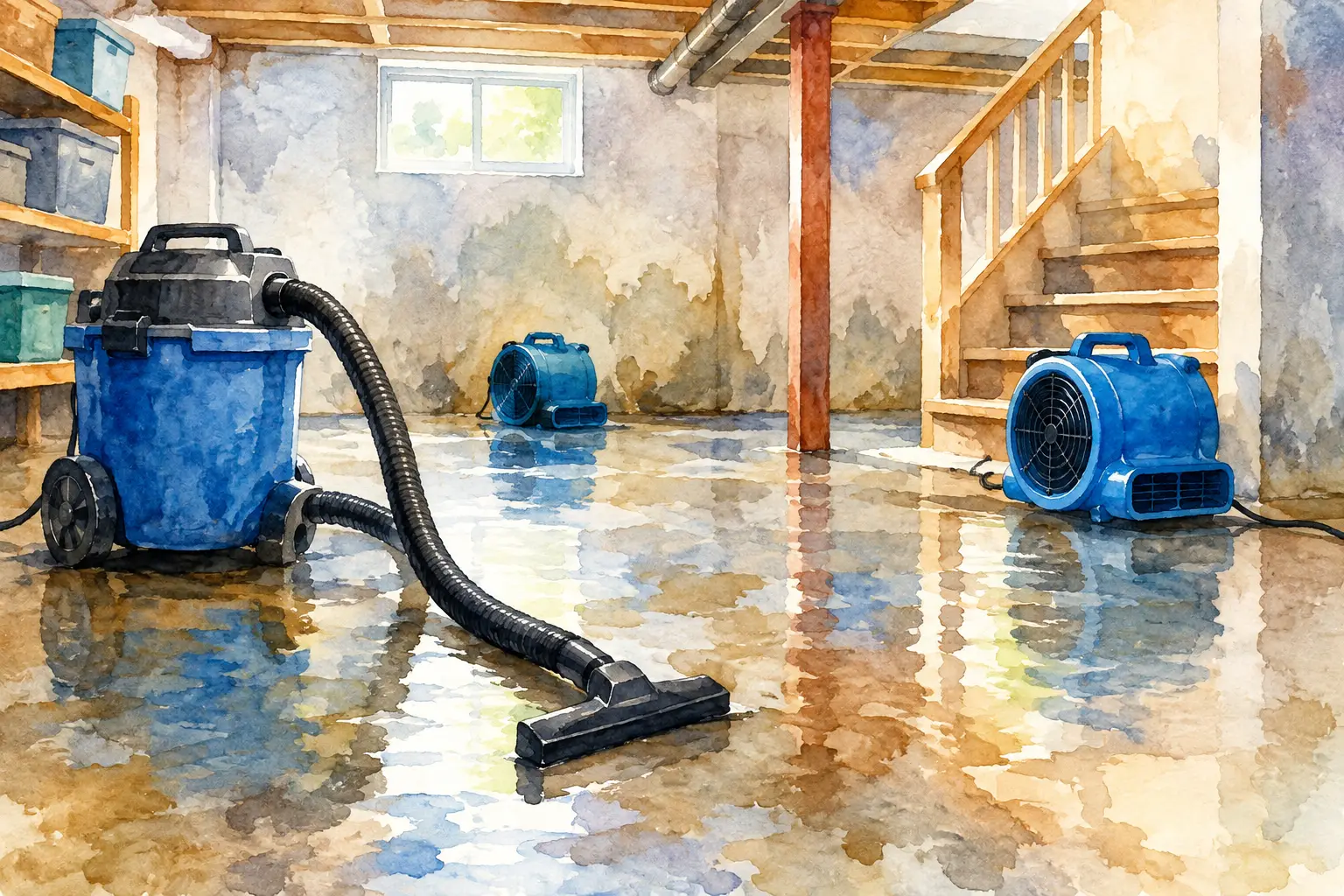
The immediate goal is to stabilize the property. That may include extracting standing water, securing a damaged roof or opening, setting drying equipment, removing unsalvageable materials, or isolating affected areas. For commercial properties, this phase may also involve coordinating access, protecting equipment, and organizing work around critical operations.
Fast action matters, but speed without a plan can create problems. Removing materials before the loss is properly documented may complicate an insurance claim. Failing to locate hidden moisture can lead to odors, damaged finishes, or mold growth later. A capable provider moves urgently while keeping the recovery organized.
The Three Phases of Property Restoration
At ServiceMaster Restore by DCS, the recovery process is built around three clear phases: assessment, mitigation, and restoration. This structure helps property owners understand what is happening now, what comes next, and who is responsible for moving the project forward.
Assessment: Understand the Full Scope
The first phase establishes the facts. Restoration professionals inspect the damage, identify affected materials, document visible conditions, and look for issues that may not be immediately apparent. In a water loss, that can include moisture behind baseboards, under cabinets, or inside wall cavities. After a fire, it can include smoke migration through HVAC systems and residue on contents.
Assessment also helps determine whether materials can be cleaned and restored or need to be removed and replaced. The answer depends on the type of damage, how long it has been present, the material involved, and whether health or safety concerns exist. A solid wood table exposed briefly to clean water may be recoverable. Saturated particleboard cabinetry or contaminated carpet may not be.
Mitigation: Prevent More Damage
Mitigation is the urgent work that limits the size and cost of the loss. It can involve water extraction and structural drying, smoke and soot cleanup, debris removal, mold containment, odor control, board-up services, or temporary protection from weather.
For water damage, drying is more than placing fans in a room. Technicians monitor moisture levels and adjust equipment until building materials reach acceptable drying goals. For fire and smoke damage, cleaning methods must match the type of residue and surface. Improper cleaning can spread soot, permanently damage finishes, or leave odors behind.
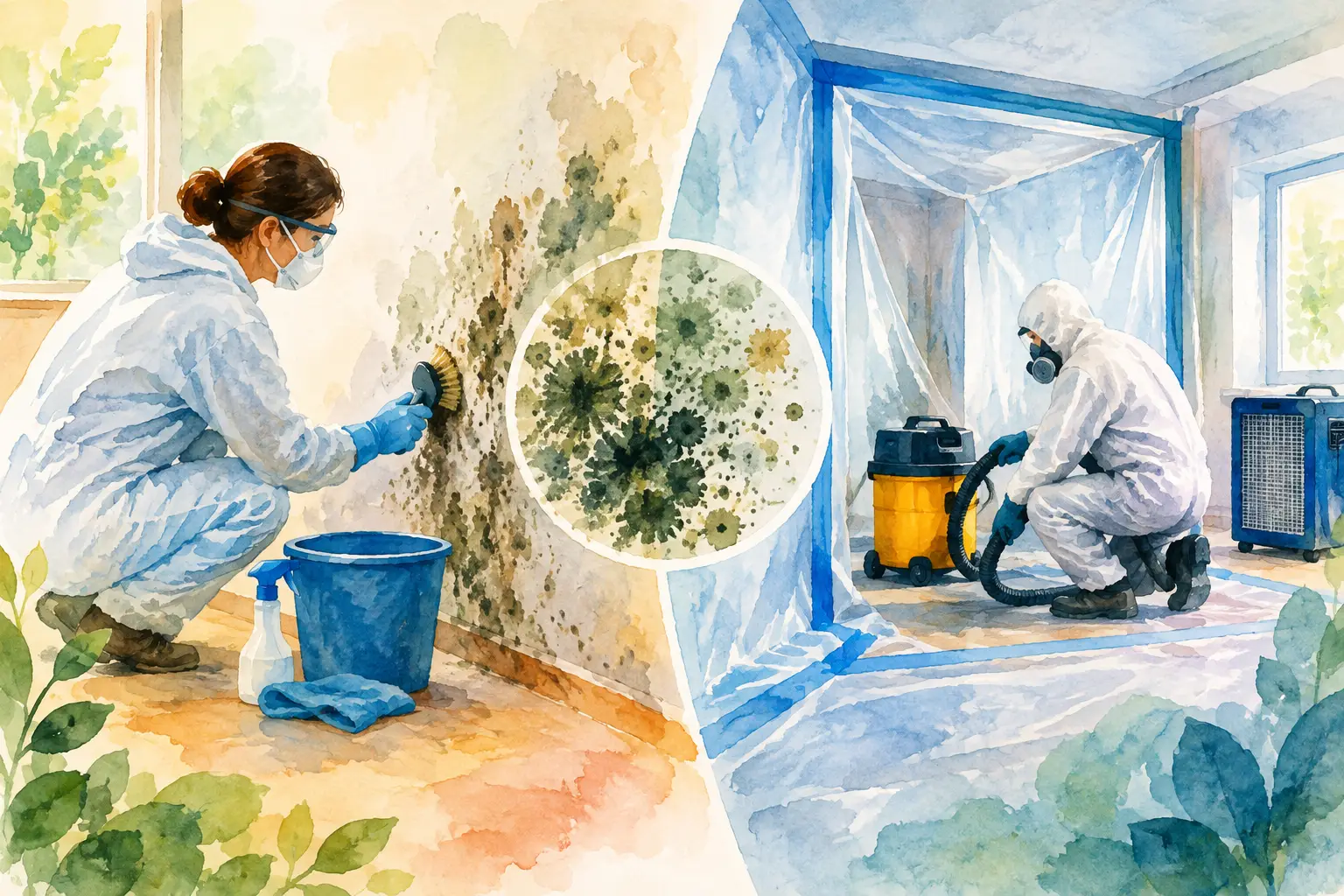
When sewage, mold, or other contamination is involved, containment and safe removal are essential. The work area may need to be separated from unaffected spaces, and materials that cannot be safely cleaned may need to be removed. This is one reason a do-it-yourself approach can be risky when a loss involves more than a small, clean-water spill.
Restoration: Return the Property to Pre-Loss Condition
Once the property is stable, dry, clean, and safe for rebuilding, restoration work can begin. Depending on the loss, this may include drywall repair, painting, flooring replacement, cabinetry work, reconstruction, and finishing details that make the space usable again.
This phase is where a full-service provider can make a meaningful difference. Instead of handing the project off after emergency cleanup, one accountable team can coordinate the transition from mitigation to repair. That reduces the burden on a homeowner or property manager who would otherwise need to find, schedule, and supervise separate vendors while already dealing with a disruption.
What to Look for in a Restoration Partner
Not every damage event requires the same level of response. A small leak caught quickly may need limited drying and repair. A commercial flood, fire, or widespread mold problem requires a more detailed plan, stronger documentation, and coordination across multiple areas of a facility. The right restoration partner should be able to scale its response to the actual loss.
Availability is one of the first considerations. Damage does not wait for business hours. A provider with 24/7/365 emergency response can begin protecting the property before secondary damage has time to spread. Ask what happens after you call: Will a live team member respond? How quickly can a crew arrive? What immediate steps should you take while waiting?
Experience with insurance-related documentation also matters. Restoration work often involves photos, drying records, itemized scopes, and communication that supports the claim process. A restoration company should not make coverage decisions for your insurer, but it should provide clear, organized information about the damage and work performed.
For commercial customers, operational planning is equally important. A warehouse may need protected inventory areas and phased work. A restaurant may need cleaning and restoration that supports health requirements and a fast reopening. A church, school, or multifamily property may require careful communication with occupants and a plan that minimizes disruption. The restoration approach should fit the building, the people using it, and the organization’s priorities.
Common Losses That Need Professional Restoration
Water damage is one of the most frequent reasons property owners call for help. Causes range from appliance failures and plumbing leaks to frozen pipes, roof leaks, and flooding. The visible water is only part of the concern. Moisture can remain trapped in structural materials long after surfaces appear dry.
Fire and smoke damage present a different challenge. Heat, soot, odor, and firefighting water can affect multiple rooms and systems. Cleaning needs to be methodical, especially around electronics, furnishings, painted surfaces, and HVAC components. The goal is not only to remove visible residue but also to restore a clean, safe indoor environment.
Mold concerns require an informed response because the source of moisture must be addressed along with the affected materials. Cleaning a visible area without correcting the underlying leak or humidity issue can allow the problem to return. Proper containment, removal, drying, and repair work together to support a lasting result.
Weather-related damage, sewage backups, odors, hoarding conditions, and specialty cleaning needs can also require professional support. Each has different safety considerations and cleanup methods. What they share is the need for a clear plan, respectful communication, and careful work that protects the property and the people who depend on it.
Why One Accountable Team Matters
After a loss, property owners should not have to become project managers overnight. Coordinating emergency crews, cleaners, insurance contacts, contractors, and repair professionals can slow recovery and create gaps between phases of work.
An end-to-end restoration provider creates continuity. The team that understands the original damage can carry that knowledge through mitigation, cleaning, documentation, and reconstruction. That does not mean every project follows the same path. Some losses require only emergency drying and a small repair, while others need extensive rebuilding. It does mean there is a defined process and a team responsible for keeping it moving.
Clear communication is part of that responsibility. Homeowners need straightforward answers about what is affected, what can be saved, and what happens next. Commercial decision-makers need status updates, documentation, scheduling clarity, and a recovery plan that supports business continuity. Confidence comes from seeing that the work is organized and the details are being handled.
If your property has been affected by water, fire, smoke, mold, weather, sewage, or another unexpected event, focus first on safety and preventing further damage. Then bring in a qualified restoration team that can assess the situation, explain the next steps clearly, and help restore what matters most.