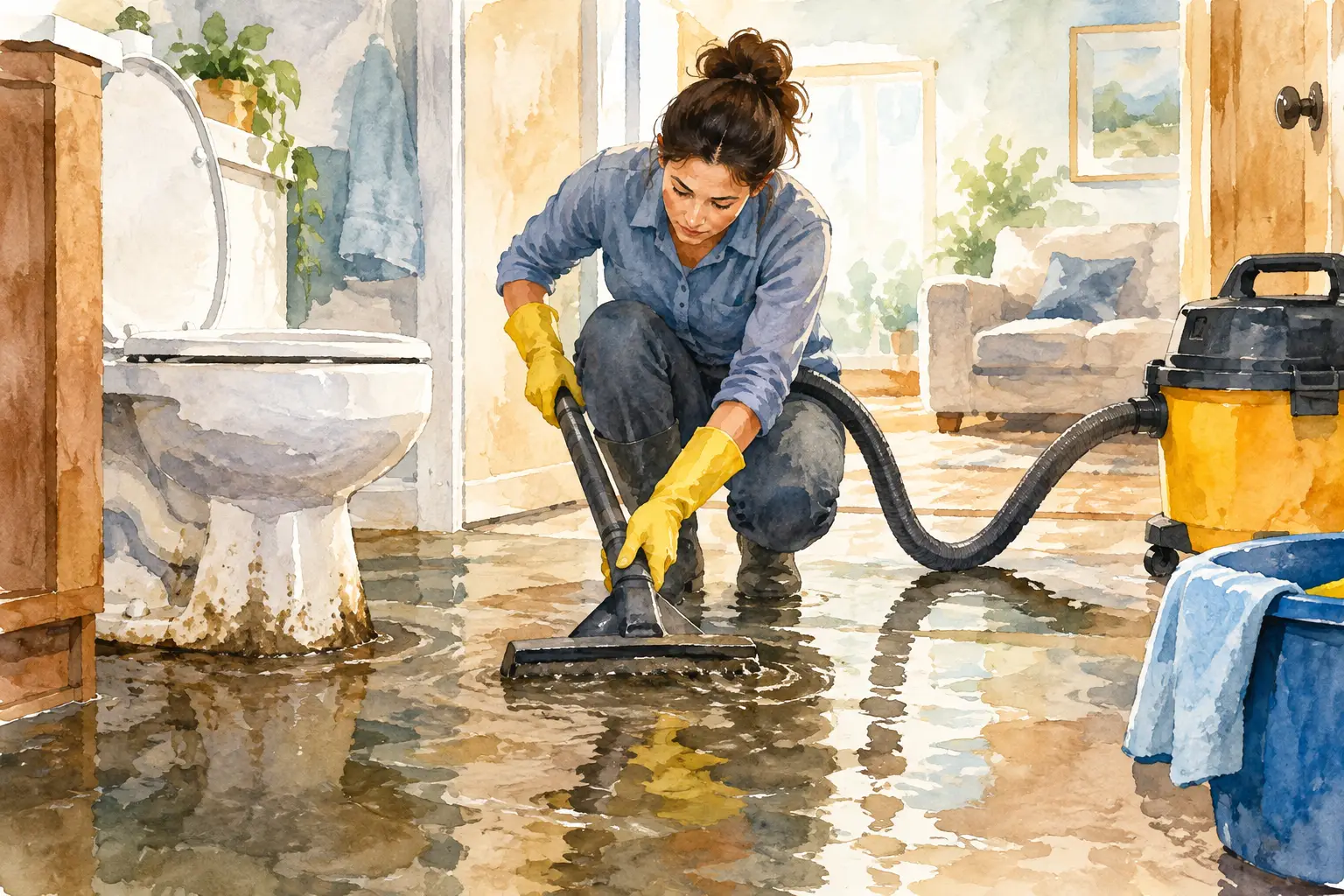

A burst supply line behind a wall, a flooded basement after heavy rain, or an overflowing appliance can change the condition of a property in minutes. Water damage restoration is not simply about removing visible water. It is a controlled process for stopping the source, protecting people and property, drying affected materials, documenting the loss, and restoring the space to pre-loss condition.
For homeowners, the priority is often protecting the places and belongings that make a house feel like home. For facility managers and business owners, the concern may include tenant safety, inventory, equipment, employee access, and reopening without unnecessary delay. In either case, fast, organized action makes a meaningful difference in the scope and cost of recovery.
Why the First Hours Matter
Water travels farther than most people expect. It can move under flooring, behind baseboards, through insulation, and into wall cavities before it becomes obvious on the surface. Materials such as drywall, carpet padding, particleboard, and ceiling tile can absorb moisture quickly. Left in place without proper drying, they may weaken, stain, develop odors, or support mold growth.
The type of water also changes the response. A clean-water loss from a broken pipe may allow more materials to be dried and saved if addressed promptly. Water from a backed-up drain, toilet overflow, or outdoor flooding may contain contaminants and require more extensive removal, cleaning, and disinfection. A trained restoration team evaluates those conditions before determining what can safely remain and what must be removed.
Waiting for water to dry on its own is rarely a reliable plan. A room may look dry while moisture remains below flooring or inside structural materials. Professional moisture detection and drying equipment help confirm that the building is drying where it matters, not just where it is visible.
What to Do Before Help Arrives
Safety comes first. If water is near electrical outlets, appliances, panels, or wiring, avoid entering the area until it is safe to do so. Shut off the water supply if you can identify the source and do so without risk. For a larger loss, moving people, pets, and vulnerable belongings away from the affected area is often the best immediate step.
If conditions allow, remove small valuables, photographs, documents, and portable items from wet areas. Place aluminum foil or wood blocks beneath furniture legs to reduce staining or damage to flooring. Avoid using a household vacuum to remove standing water, and do not walk through sewage-contaminated water. These situations require the right protective equipment and cleaning procedures.
It can also help to take photos or video of the damage before cleanup begins. Documentation supports the insurance process and creates a clearer record of affected rooms, materials, and contents. Do not delay emergency mitigation just to gather extensive documentation, however. The right restoration provider can document conditions as work begins.
The Water Damage Restoration Process
A dependable recovery process brings order to a stressful situation. While every loss is different, professional water damage restoration generally follows three connected phases: assessment, mitigation, and restoration.
Assessment identifies the full extent of the loss
The initial assessment goes beyond locating standing water. Technicians inspect affected rooms, identify the source, classify the water condition, and use moisture meters, thermal imaging, and other tools to locate hidden moisture. They evaluate flooring, walls, ceilings, cabinets, insulation, contents, and structural components.
For commercial properties, the assessment also considers operational needs. A restaurant may need to protect food-service areas and reopen safely. A warehouse may need to isolate wet inventory and maintain access to unaffected space. A church, office, or multifamily property may require a phased plan that reduces disruption for occupants. The recovery plan should account for the building’s use, not only the wet materials.
Clear communication matters at this stage. Property owners should understand what is affected, what immediate work is needed, what materials may be salvageable, and what conditions could influence the timeline.
Mitigation stops further damage
Mitigation begins with controlling the source when possible and extracting standing water. Professional extraction removes far more water than towels, mops, or standard shop equipment, helping reduce drying time and limiting damage to flooring and subflooring.
Next, the team removes unsalvageable materials, protects unaffected areas, and sets drying equipment based on the property’s conditions. Air movers, dehumidifiers, and targeted airflow work together to remove moisture from building materials. Equipment placement is not a one-time task. Technicians should monitor moisture readings, adjust the drying plan, and verify progress until affected materials reach an appropriate drying standard.
In contaminated-water events, mitigation also includes careful containment, disposal, cleaning, and disinfection. The goal is to prevent contamination from spreading into clean areas while returning the property to a safe condition.
Restoration returns the property to pre-loss condition
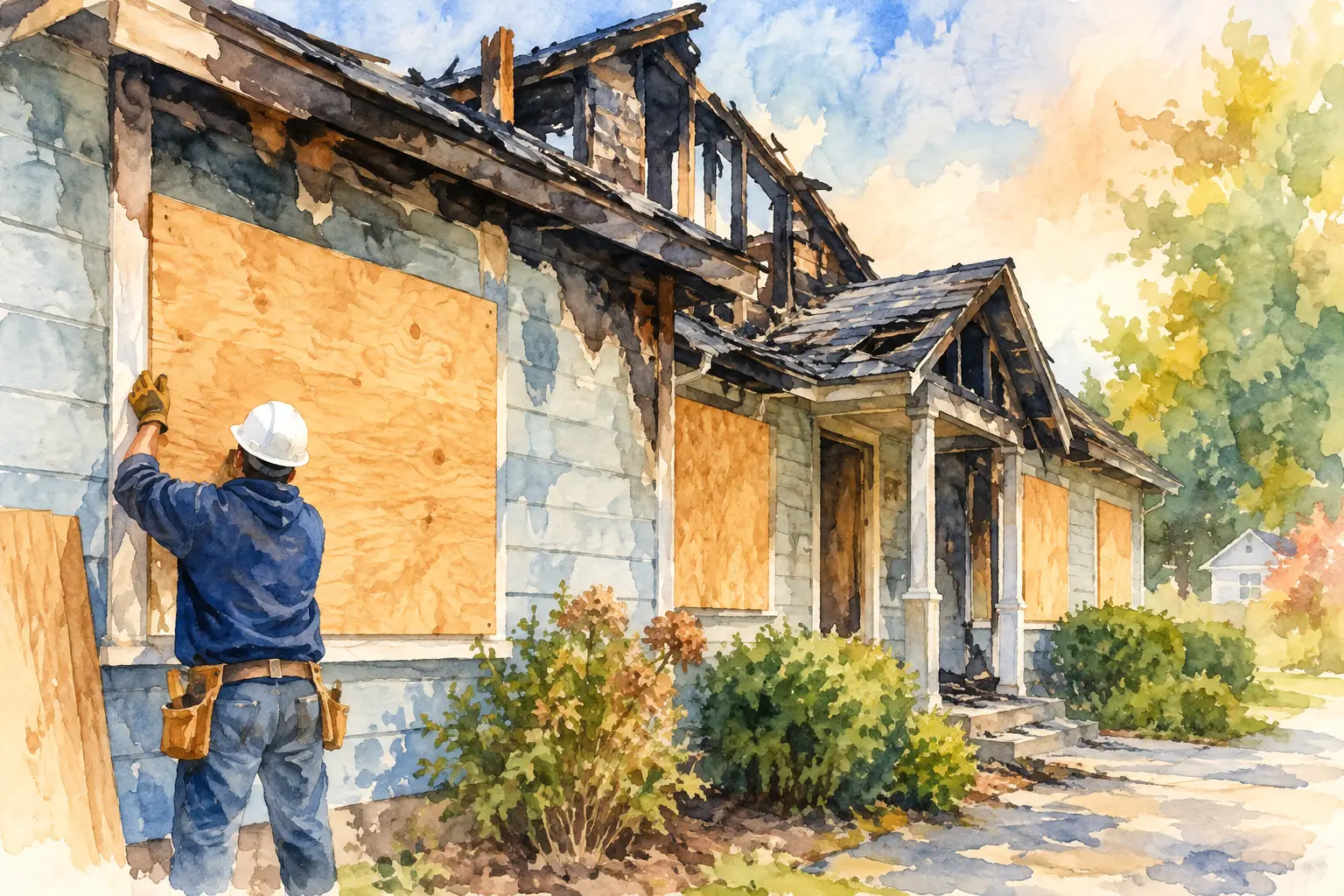
Once the property is dry and clean, the focus shifts from emergency response to rebuilding. Depending on the loss, restoration may include replacing drywall and insulation, repairing ceilings, installing flooring, repainting, reconstructing cabinets, or completing larger repairs.
This is where one accountable provider can simplify recovery. Instead of coordinating separate extraction, cleaning, and construction companies, property owners benefit from a team that understands the original loss, the mitigation work already completed, and the scope required to finish the job. ServiceMaster Restore by DCS provides that continuity from emergency response through reconstruction, helping residential and commercial customers move forward with a coordinated plan.
Common Water Losses Need Different Responses
Not every water event calls for the same approach. A small appliance leak caught quickly may require limited extraction and drying. A pipe break that runs overnight may affect several rooms, insulation, and flooring. Stormwater intrusion can introduce debris and contaminants, while a sewage backup requires more stringent protective and cleaning measures.
The material involved matters too. Hardwood flooring can sometimes be dried and stabilized, but results depend on the amount of water, the length of exposure, and whether moisture has reached the subfloor. Drywall may dry successfully in some clean-water losses, yet saturated or contaminated drywall often needs removal. Carpet may be recoverable after a clean-water event, while carpet padding commonly requires replacement because it retains moisture and is difficult to dry thoroughly.
A responsible restoration plan does not promise to save every material. It balances safety, drying science, cost, appearance, and the long-term performance of the building. The right recommendation is the one that protects the property from a second problem later.
Insurance Documentation and Communication
A water loss can create pressure from several directions at once. Property owners may be making temporary living arrangements, managing tenants, communicating with employees, or trying to keep operations moving. Organized records reduce some of that burden.
Restoration documentation may include moisture readings, photographs, equipment logs, itemized records of affected materials, and records of cleaning or demolition. This information helps show what happened and why specific mitigation work was necessary. Insurance coverage and claim decisions ultimately depend on the policy and carrier, but an experienced restoration team can provide the clear, timely information insurers commonly need to evaluate the loss.
For commercial decision-makers, regular updates are especially valuable. Knowing which areas are dry, which spaces remain restricted, and what reconstruction work is next allows managers to plan staffing, customer communication, deliveries, and reopening decisions with greater confidence.
When to Call for Emergency Help
Call for professional assistance right away when there is standing water, a continuing leak, sewage, water near electrical systems, a ceiling that is sagging, widespread wet materials, or any uncertainty about contamination. The same applies when a business interruption could become more costly with each hour of downtime.
Even a smaller leak deserves attention if flooring is swelling, walls feel damp, paint is bubbling, there is a musty odor, or water has reached areas that cannot be inspected easily. These signs suggest moisture may be present beyond the visible damage.
Water emergencies are disruptive, but the next step does not have to be confusing. A prompt call to a 24/7/365 restoration team creates a path forward: protect the property, document the loss, dry it thoroughly, and restore the space where life and work need to continue.