
A fire can be contained in minutes, yet the smell can remain long after the flames are out. Smoke odor removal after fire is not a matter of opening windows or spraying fragrance through the room. Smoke travels through air returns, wall cavities, insulation, fabrics, and stored belongings. Unless those affected materials are properly cleaned and treated, the odor can return when humidity rises or the HVAC system starts running.
For homeowners, that lingering smell is a constant reminder of a stressful loss. For businesses, it can make a space uncomfortable for employees and customers, delay reopening, and raise concerns about whether the property is truly clean and safe. A prompt, organized restoration response helps protect the building, its contents, and the people who rely on the space.
Why Smoke Odor Lingers After a Fire
Smoke is made up of fine particles, gases, and residues created by burning materials. The type of fire matters. A slow, low-oxygen fire often leaves a sticky, pungent residue that clings to surfaces. A fast-burning fire may create drier soot that spreads widely through the property. Fires involving plastics, synthetic fabrics, food, wood, or electrical materials can each leave different residues and odors.
Heat also pushes smoke into places that may not look damaged at first glance. It can move behind baseboards, above ceiling tiles, into ductwork, through porous drywall, and deep into upholstery. That is why a room can look clean after surface wiping but still smell smoky days later.
Masking products may temporarily cover the odor, but they do not remove the particles causing it. In some cases, household cleaners can make the situation worse by spreading oily soot, driving residue deeper into fabric, or damaging finishes that could have been restored.
Smoke Odor Removal After Fire Starts With Assessment
A complete recovery begins with identifying where smoke traveled and what materials were affected. Visible soot tells only part of the story. Restoration professionals assess the fire source, the building layout, airflow patterns, affected rooms, HVAC components, and the contents inside the property.
This assessment determines what can be cleaned, what needs specialized treatment, and what may need to be removed. It also helps prevent cross-contamination. For example, moving smoky belongings through an unaffected area without proper controls can transfer residue and odor into clean spaces.
For commercial properties, assessment should also account for operational priorities. A restaurant may need rapid cleaning of dining areas and kitchen-adjacent spaces. A warehouse may require evaluation of stored inventory, racking, loading zones, and ventilation systems. A church, office, or multifamily property may have large areas with different materials and occupancy needs. The right plan balances thorough cleaning with a practical path back to normal operations.
The Restoration Process: Clean First, Then Treat the Odor
Effective odor control depends on removing the source. The process is generally organized around assessment, mitigation, and restoration, with each phase building on the one before it.
Containing damage and protecting the property
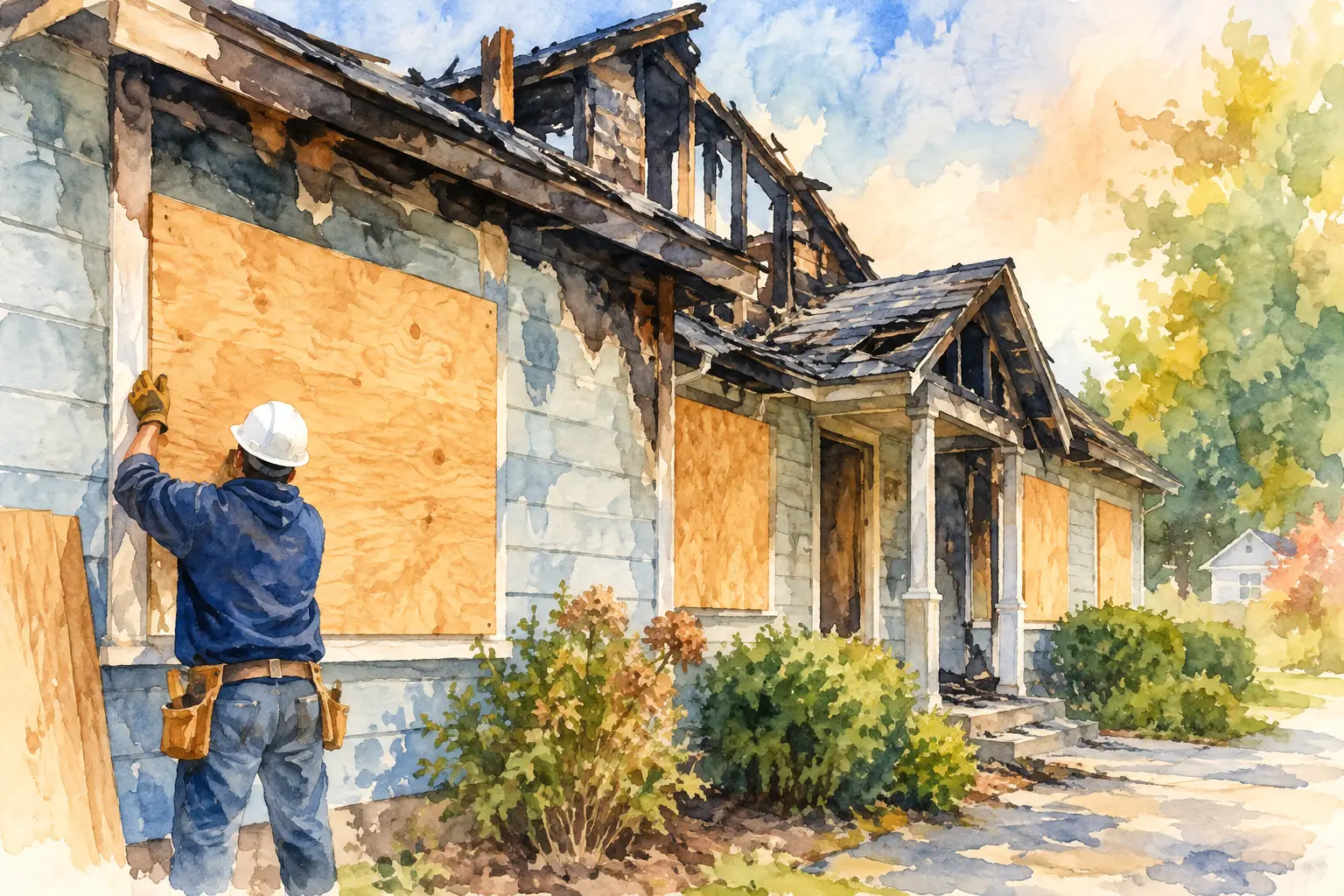
After a fire, damaged areas may need to be secured and separated from unaffected portions of the building. This can include temporary board-up, roof protection, controlled access, and containment measures that limit the spread of soot particles during cleanup.
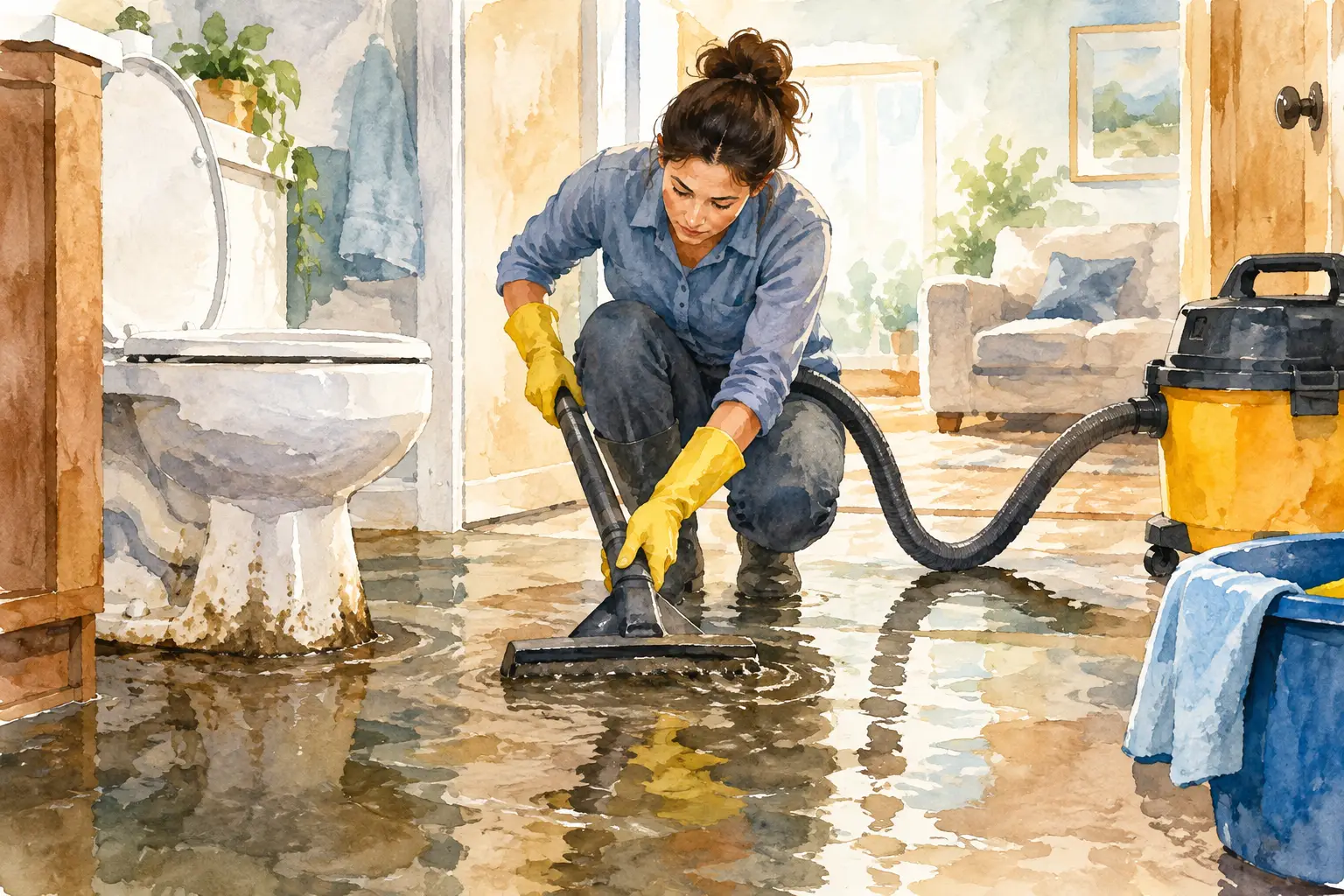
Water used to extinguish the fire must also be addressed quickly. Moisture can worsen odor problems, encourage mold growth, and cause additional damage to flooring, drywall, contents, and structural materials. Fire and water damage often require coordinated mitigation rather than separate projects.
Removing soot from surfaces and contents
Cleaning methods depend on the material and type of residue. Dry soot may be removed with specialized vacuuming and dry cleaning techniques before wet cleaning begins. Hard surfaces can require carefully selected cleaners and procedures that lift residue without damaging paint, metal, stone, wood, or finishes.
Porous materials require closer judgment. Upholstered furniture, clothing, drapes, documents, electronics, and soft goods can sometimes be restored using specialized content cleaning. Other items may retain too much contamination or have suffered heat, water, or soot damage beyond practical restoration. The goal is not to discard belongings unnecessarily, but to make sound decisions based on condition, safety, and the likelihood of successful cleaning.
Wall surfaces, ceilings, cabinets, and flooring deserve the same attention. If smoke residue remains beneath a new coat of paint, odor may eventually bleed back through. In some cases, sealing is appropriate after thorough cleaning and drying. In others, removal and replacement of affected materials is the more reliable solution.
Treating the air and hidden odor sources
Once source cleaning is underway, professional odor treatments can address particles and odors remaining in the air and difficult-to-reach spaces. HEPA air filtration can help capture fine airborne particles during restoration. HVAC systems may need inspection and cleaning if smoke traveled through returns, ducts, or equipment.
Depending on the loss, restoration teams may use thermal fogging, hydroxyl treatment, ozone treatment, or other deodorization methods. These tools are not interchangeable, and they are not shortcuts for cleaning. The right method depends on the type of odor, the materials affected, occupancy requirements, and whether the space can be temporarily vacated.
For example, ozone can be effective in certain unoccupied settings, but it requires strict safety controls and should never be used while people, pets, or plants are present. Hydroxyl treatment can often be used in occupied environments under appropriate conditions, though it may take longer. A professional team selects the method that fits the property instead of applying the same treatment to every fire loss.
What Property Owners Should Do and Avoid
After the fire department has cleared the property, avoid turning on the HVAC system until it has been evaluated. Air movement can distribute soot and odor through rooms that were not initially affected. Avoid aggressive scrubbing of soot-covered walls, ceilings, or furnishings. Improper cleaning can smear residue and create permanent staining.
It is also wise to limit handling of electronics, textiles, and paper items until they can be assessed. Smoke residue can be corrosive, and moisture from firefighting efforts can add another layer of risk. Take photos and maintain a basic inventory of affected items for insurance documentation, but do not delay emergency mitigation while waiting to make every decision.
If the fire involved a small, isolated cooking incident, limited cleaning may be enough. If smoke entered multiple rooms, affected ventilation systems, or left residue on surfaces and contents, professional restoration is usually the safer choice. The larger the spread of smoke, the more important it is to address hidden areas rather than focusing only on the room where the fire began.
A Single Recovery Team Helps Reduce Disruption
Fire recovery often involves more than odor control. Property owners may need emergency securing, water extraction, soot cleanup, content cleaning, odor treatment, insurance documentation, repairs, and reconstruction. Coordinating multiple vendors can create gaps in communication and delay the work needed to move forward.
ServiceMaster Restore by DCS provides a structured response from emergency mitigation through cleaning, restoration, and rebuilding. With a Restore Team on Call 24/7/365, the focus is on protecting the property early, documenting the work clearly, and restoring the space to pre-loss condition whenever possible.
When the Odor Seems Gone, Verification Still Matters
A property should not be considered restored simply because it smells better when someone first walks in. Odors may become more noticeable after heating or cooling systems run, after rain increases humidity, or when a closed building is reopened. Final cleaning and verification should consider the air system, enclosed spaces, contents, and all affected rooms.
A well-managed fire recovery gives you more than a fresher-smelling building. It gives you a clean, orderly path back to the home, workplace, or operation that matters most.