A sewage backup can turn a usable room into a health and property emergency in minutes. Sewage cleanup costs depend on much more than removing visible water: the job may involve contamination control, damaged-material removal, cleaning, drying, odor treatment, and reconstruction before the space is safe to use again.
For homeowners, the immediate concern is often a basement, bathroom, or laundry area. For facility and property managers, one backup can affect tenant spaces, restrooms, kitchens, inventory, equipment, and business operations. The right response is to stop the source, protect people from exposure, document conditions, and begin professional mitigation quickly.
What Drives Sewage Cleanup Costs?
Sewage is generally treated as Category 3 water, often called black water, when it contains contaminants that can cause illness. This classification changes the scope of work. A clean-water leak may allow some materials to be dried and saved. With sewage, porous materials exposed to contamination often need to be removed and discarded rather than cleaned.
The size of the affected area is a major factor. A small, contained overflow on a nonporous bathroom floor requires a very different response than sewage that has traveled through a finished basement, behind baseboards, under flooring, or into wall cavities. The longer contamination remains in place, the more likely it is to spread and affect additional materials.
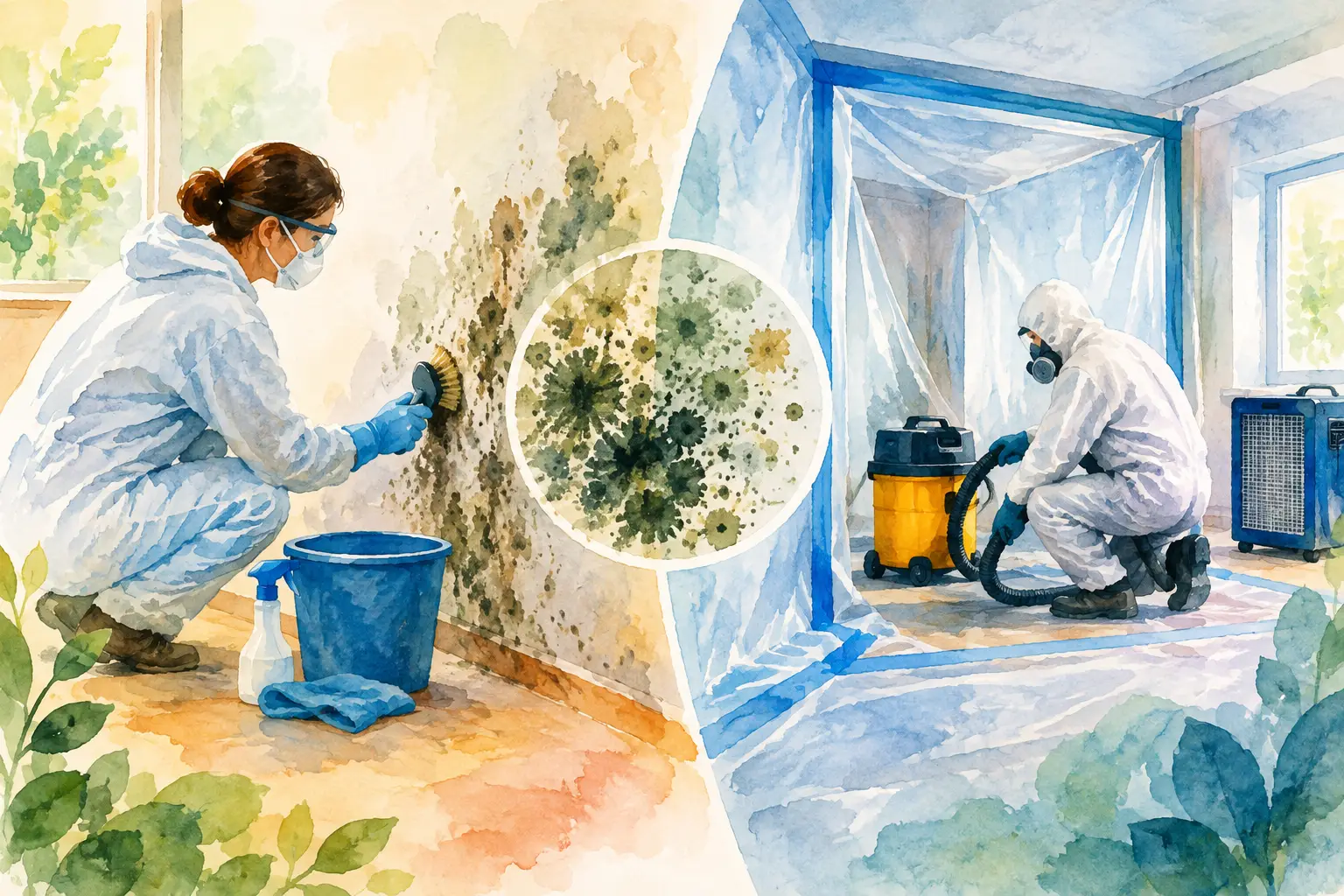
Access also matters. Cleanup in an open, ground-level commercial restroom is usually more straightforward than work in a crowded basement, crawl space, elevator pit, or occupied apartment building. Technicians may need to move contents, establish containment, protect unaffected areas, and use specialized extraction and air-filtration equipment.
The condition of the building can add complexity. Older structures may have multiple layers of flooring, hidden moisture paths, or materials that require additional testing and careful handling. In commercial properties, the response may need to be coordinated around tenants, public access, food-service requirements, sensitive equipment, or a limited operating window.
Typical Sewage Cleanup Cost Ranges
Every loss should be assessed in person, but general ranges can help set expectations. A small, contained sewage overflow with limited affected materials may cost from roughly $1,000 to $4,000 for professional cleanup and drying. A larger basement backup or multi-room loss often falls between $5,000 and $20,000 or more, particularly when demolition, content handling, and extensive drying are required.
Those ranges do not necessarily include full reconstruction. Replacing drywall, insulation, flooring, cabinetry, trim, fixtures, or finished basement components can significantly increase the total project cost. Commercial losses may also include business-interruption considerations, after-hours labor, specialized cleaning requirements, and the cost of protecting or relocating inventory and equipment.
A low initial price is not always the lower-cost option. If contaminated carpet padding, insulation, or wall materials are left behind, odors and microbial growth may appear later. A thorough estimate should identify what is included in mitigation and what work, if any, will be needed to restore the property to its pre-loss condition.
The difference between cleanup and reconstruction
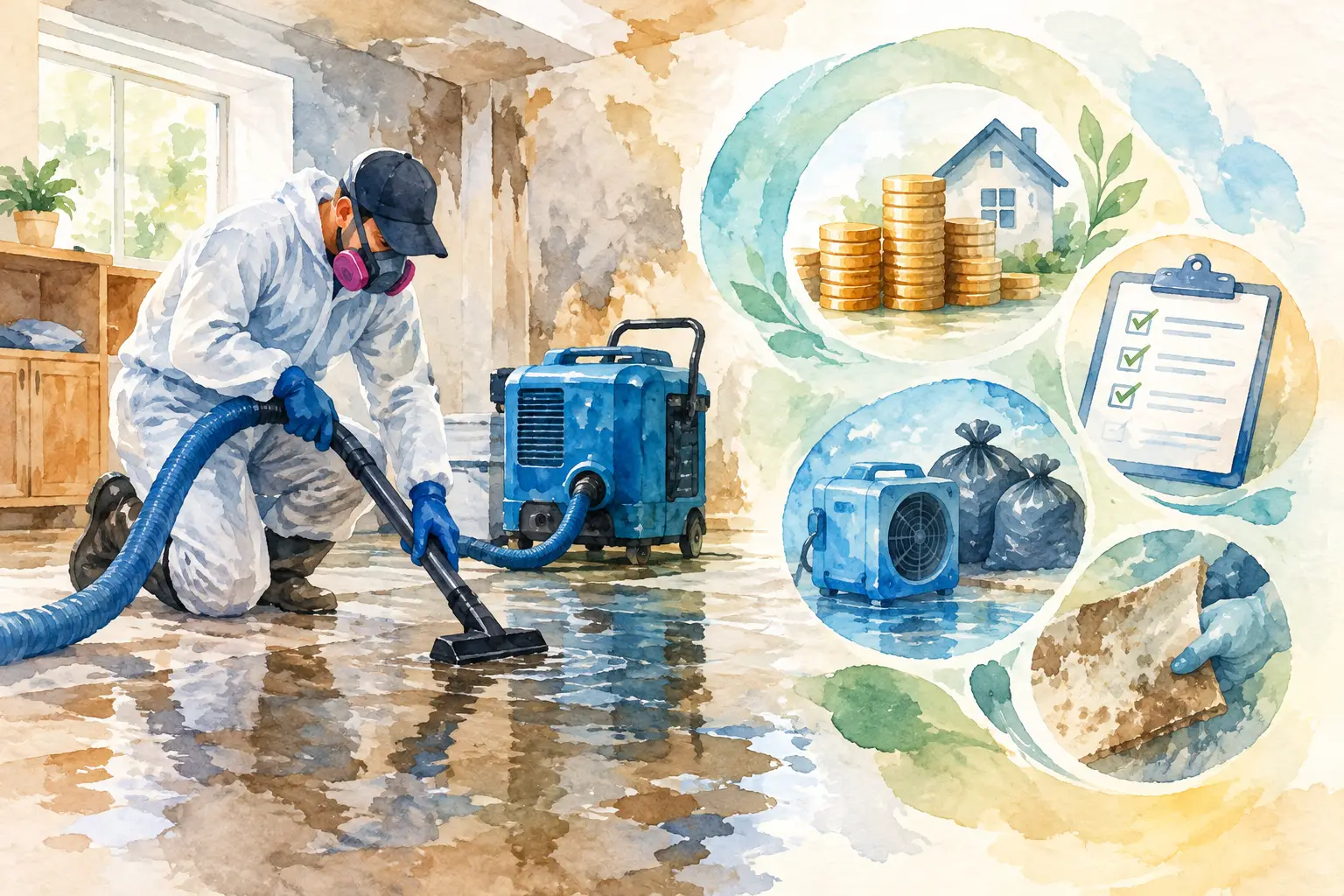
Cleanup, also called mitigation, focuses on making the area safe and preventing further damage. It can include extraction, containment, removal of unsalvageable materials, cleaning, disinfection, drying, and documentation.
Reconstruction begins after the affected area is clean and dry. This phase may include rebuilding walls, installing insulation, replacing flooring, repainting, reinstalling fixtures, and returning the space to normal use. Separating these phases helps property owners understand the immediate emergency cost versus the cost to fully restore the room.
What a Professional Estimate Should Cover
A professional sewage cleanup estimate should be based on documented site conditions, not a guess over the phone. The assessment should identify the source of the backup, the category of water, how far contamination traveled, the materials affected, and any safety concerns.
The mitigation scope commonly includes emergency extraction, containment to prevent cross-contamination, removal of contaminated porous materials, detailed cleaning and disinfection, structural drying, and odor control when needed. Technicians should also document affected rooms, materials, and moisture conditions throughout the process. That documentation can be valuable when filing an insurance claim or communicating with a property owner, tenant, or facilities team.
For a commercial property, ask how the plan addresses continuity. A strong response may involve isolating a portion of the building, scheduling work around operating hours, protecting unaffected inventory, and providing clear status updates to decision-makers. The goal is not only to clean the area but also to reduce disruption wherever possible.
Does Insurance Cover Sewage Cleanup?
Coverage depends on the policy and the cause of the loss. Many homeowners policies do not automatically cover sewer or drain backup without a specific endorsement. Some policies may cover sudden discharge from plumbing but exclude damage caused by a municipal sewer backup, recurring maintenance issue, or flood event.
Commercial policies vary just as widely. Coverage limits, deductibles, endorsements, and the cause of loss all matter. Property managers and business owners should review their sewer-backup coverage before an emergency occurs, especially for lower-level spaces, restaurants, multifamily properties, and buildings with aging plumbing systems.
When a backup happens, take photos or video from a safe location before cleanup begins if conditions allow. Keep records of the time the loss was discovered, affected areas, damaged contents, and communications with the insurer. A restoration team can provide mitigation documentation and work within the insurer’s process, but the carrier ultimately determines coverage.
Do not delay emergency mitigation while waiting for a coverage decision. Fast action can limit the extent of damage, reduce potential health concerns, and help preserve the condition of the structure and contents.
Why Fast Response Can Control the Cost
The first few hours after a sewage loss matter. Contamination can wick into drywall and insulation, soak carpet padding, reach stored belongings, and create persistent odor issues. As the affected area expands, the required removal and restoration work usually expands with it.
If sewage is present, keep people and pets out of the area. Avoid using fans, shop vacuums, or household cleaning methods that can spread contaminants. Do not walk through the affected space and then into clean areas of the building. If it is safe to do so, stop using plumbing fixtures connected to the suspected line and contact a qualified plumber to address the source.
A trained restoration team can take control of the recovery process through a clear sequence: assessment, mitigation, and restoration. Assessment establishes the affected scope. Mitigation contains contamination, removes damaged materials, and dries the structure. Restoration rebuilds the space so it can return to normal use.
Planning Ahead for Homes and Businesses
No one plans for a sewage backup, but preparation can reduce confusion when one occurs. Homeowners can confirm whether their insurance includes sewer-backup protection, keep drains and sump systems maintained, and avoid flushing materials that can clog plumbing. Businesses can identify shutoff locations, maintain plumbing systems, establish a reporting process, and keep current emergency contacts available to staff.
For larger facilities, a pre-loss response plan is especially valuable. It should identify critical areas, decision-makers, tenant or employee communication procedures, and priorities for protecting equipment, records, inventory, and operations. A plan does not prevent every backup, but it can shorten the time between discovery and action.
When contaminated water enters your property, the right question is not simply, “How much will cleanup cost?” It is, “What will it take to make this space safe and fully restore it?” ServiceMaster Restore by DCS provides 24/7/365 emergency response for residential and commercial property owners across Illinois and southeastern Wisconsin, with one accountable team from emergency mitigation through reconstruction.
A prompt, documented response gives you the best chance to protect the building, control avoidable costs, and restore the space with confidence.