
A lingering odor after water damage, a fire, sewage backup, or a tenant move-out is more than an unpleasant distraction. It can signal contamination, hidden moisture, damaged building materials, or residue that continues to affect how a property feels and functions. Professional odor removal services address the cause of the smell, not just the air in the room, so homeowners and business leaders can move forward with confidence.
A candle, aerosol spray, or open window may make a space more tolerable for a few hours. But when odors return after cleaning, spread through multiple rooms, or disrupt daily living or business operations, the property needs a more complete assessment. The right response protects the building, its contents, and the people who rely on the space.
Why persistent odors should not be covered up
Odor is often the last visible reminder of a property loss, but it may also be evidence that the loss is not fully resolved. Smoke particles can settle inside walls, insulation, upholstery, and HVAC components. Water intrusion can create damp conditions that lead to microbial growth and musty odors. Sewage contamination, pet accidents, spoiled food, and decomposition each require a different cleaning approach.
Covering an odor with fragrance can complicate the situation. It may mask a problem long enough for moisture, residue, or contamination to spread. In commercial settings, unresolved odors can affect customers, employees, tenants, and the public perception of the business. In a home, they can make bedrooms, basements, kitchens, and living areas feel unlivable even after other repairs are complete.
The goal is not simply to make a room smell better. It is to identify the odor source, remove or clean affected materials when possible, treat the surrounding environment, and verify that the property is ready to use again.
Common situations that require odor removal services
Some odors are easy to trace, such as a bag of trash left in a warm garage. Others travel through ductwork, settle into porous materials, or emerge only when humidity rises. Professional help is especially valuable when the source is uncertain or when ordinary cleaning has failed.
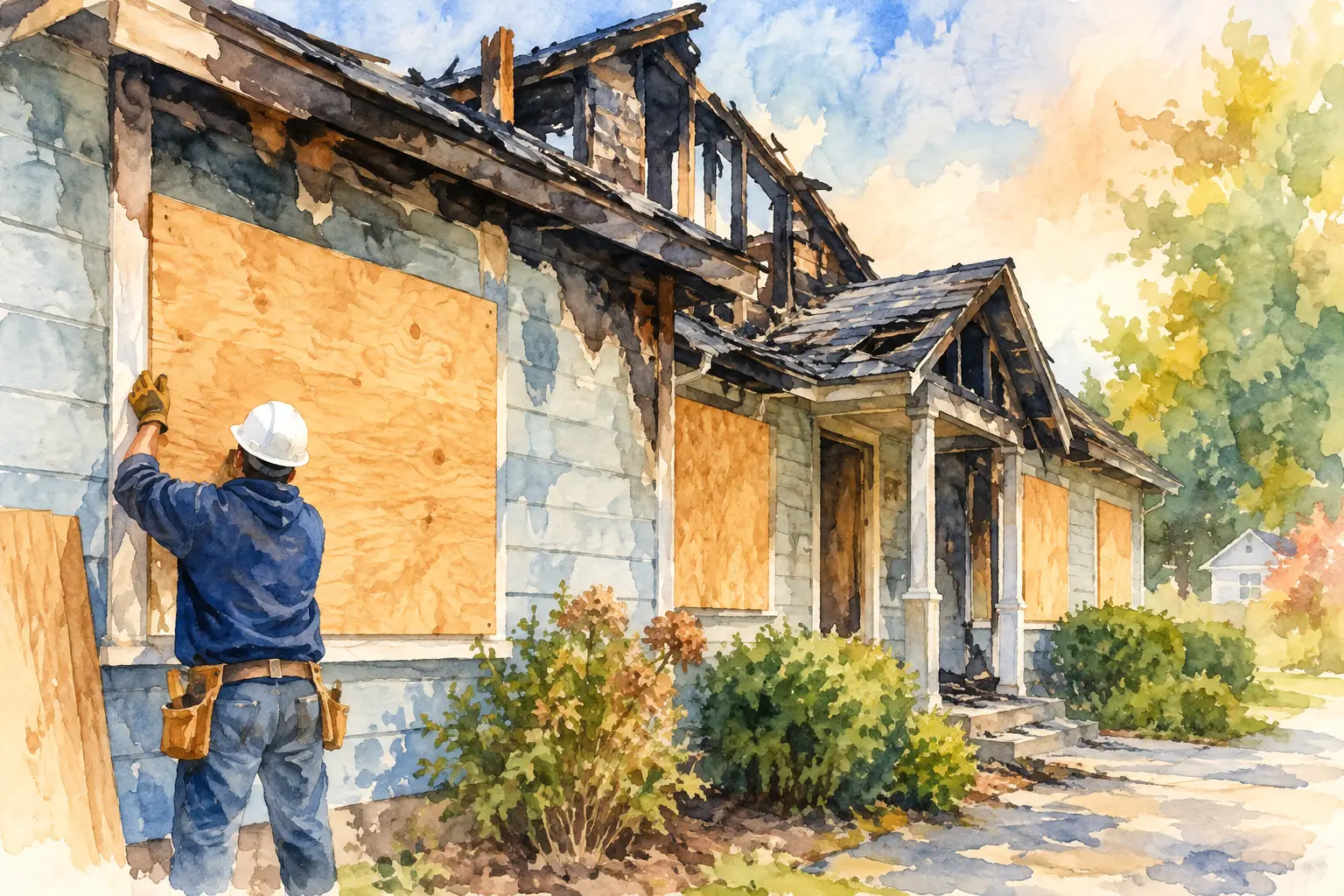
Fire and smoke losses are among the most complex examples. Smoke behavior depends on the type of material burned, the temperature of the fire, ventilation conditions, and how long residue remained in the structure. A kitchen fire may leave greasy residue in nearby cabinets and appliances, while a larger structural fire can affect every level of a building. Even after visible soot is cleaned, smoke odor can remain inside carpets, fabrics, wall cavities, and HVAC systems.
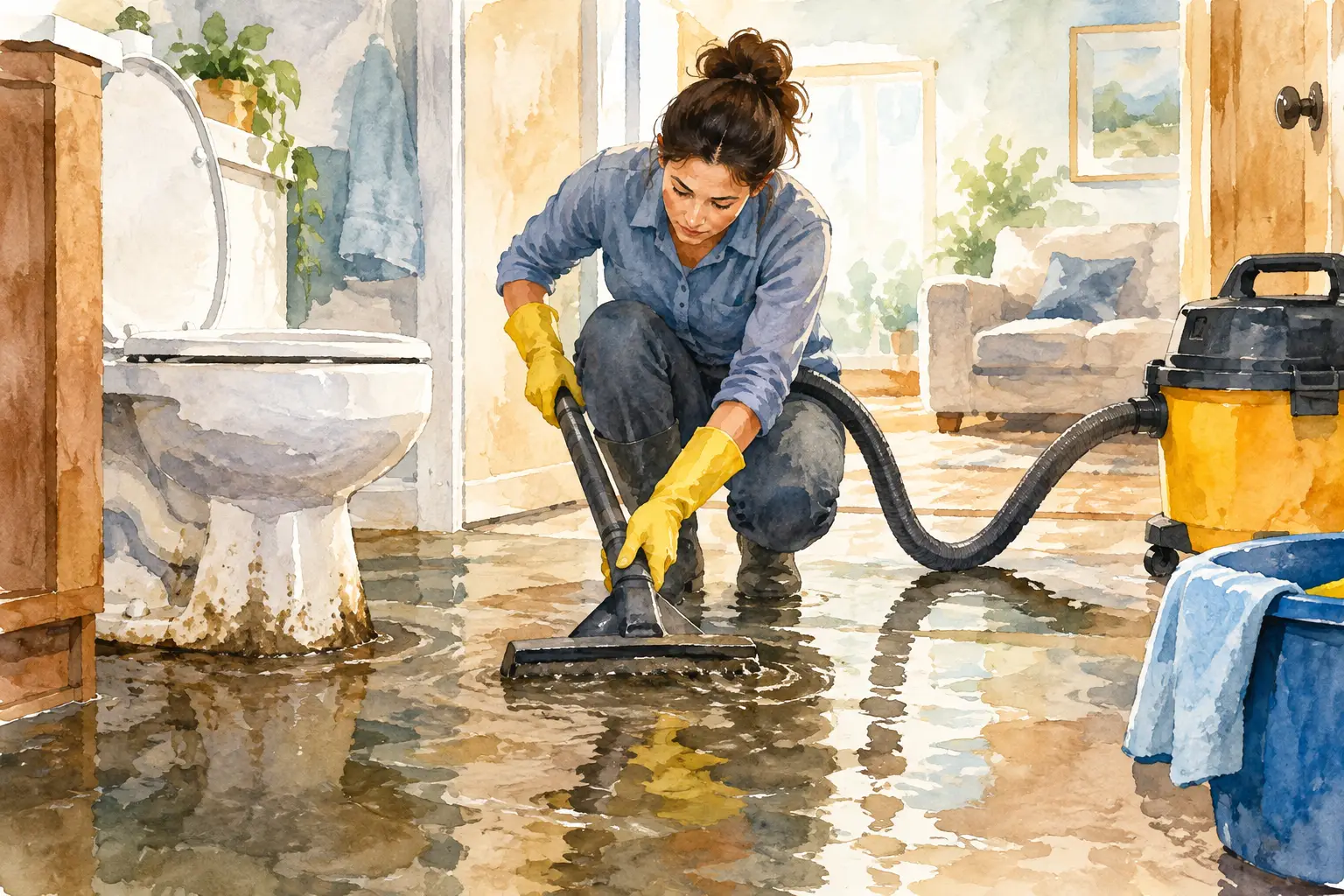
Water damage can create a very different odor profile. Wet drywall, carpet padding, subflooring, and insulation can hold moisture long after a surface appears dry. If drying was delayed or incomplete, a musty odor may point to concealed moisture or microbial activity. The correct response starts with moisture detection and drying, not deodorizing alone.
Sewage backups, biohazard events, animal activity, and hoarding conditions can also require specialized cleaning and odor control. These situations may involve contaminated porous materials, damaged contents, and ventilation concerns. They call for trained technicians, appropriate protective measures, and a documented process rather than a quick surface cleanup.
For property managers and business owners, odors can also arise after a long vacancy, a tenant turnover, a restaurant incident, a warehouse leak, or a storm-related loss. Fast action matters because odors can delay occupancy, interrupt operations, and create additional restoration costs.
How professional odor removal works
Effective odor control follows the same organized recovery process used for other property losses: assessment, mitigation, and restoration. The equipment and treatments vary by situation, but the process remains focused on reducing disruption and returning the property to a safe, usable condition.
Assessment identifies the source and extent
A restoration team begins by listening to what happened and inspecting the affected area. When did the odor begin? Is it strongest in one room, near a drain, after rain, or when the HVAC system runs? Has there been a fire, leak, overflow, pest issue, or previous cleanup attempt?
Technicians then inspect visible and concealed areas that may hold odor-causing residue or moisture. Depending on the loss, this can include flooring, wall assemblies, ceilings, contents, crawl spaces, attics, and air-handling components. Moisture readings, material condition, and contamination levels help determine whether cleaning, drying, removal, or reconstruction is needed.
This step prevents a common mistake: treating the air while leaving the source in place. A deodorizing treatment can be useful, but only after the underlying issue has been controlled.
Mitigation stops the problem from spreading
Mitigation may include water extraction and structural drying, removal of unsalvageable materials, detailed cleaning of smoke residue, containment of affected areas, or cleaning and disposal of contaminated contents. In some cases, technicians clean and restore materials that can be saved. In others, heavily affected carpet padding, drywall, insulation, or furnishings must be removed to eliminate the source.
The trade-off is practical. Keeping every material may seem less disruptive at first, but attempting to save deeply contaminated porous items can leave behind odors and create repeat work later. A qualified restoration team explains what can reasonably be restored and what needs replacement, helping owners make informed decisions.
Odor treatments are selected based on the loss and the materials involved. Specialized cleaning agents can break down residues on surfaces. Controlled deodorization methods may be used to treat air and affected spaces after source removal. HVAC cleaning may be necessary when odors have moved through a building’s ventilation system. These methods should be applied as part of a complete restoration plan, not as a substitute for cleaning and removal.
Restoration returns the space to use
Once the odor source and affected materials have been addressed, restoration work puts the property back together. That may involve replacing drywall, insulation, flooring, cabinetry, paint, or other finishes removed during mitigation. For commercial properties, the plan should also account for phased work, protected access routes, documentation, and the quickest reasonable path back to operations.
ServiceMaster Restore by DCS helps residential and commercial customers manage this full process, from emergency assessment and odor control through cleaning, repairs, and reconstruction. Having one accountable team can reduce handoffs at a time when clear communication matters most.
When to call for professional odor removal
Call promptly after a fire, sewage backup, major water event, or other contamination incident. Immediate response can limit how deeply residue and moisture penetrate building materials. It also helps preserve more contents and reduces the chance that an odor becomes embedded throughout the structure.
It is also wise to call when an odor returns after cleaning, persists for several days, becomes stronger during humid weather, or appears after a leak has supposedly been repaired. A smell in a basement, behind cabinets, near flooring, or around vents may indicate a hidden condition that needs investigation.
Commercial decision-makers should act before an odor becomes a tenant complaint, a customer experience issue, or an operational problem. Restaurants, healthcare-related facilities, schools, churches, offices, apartment buildings, and warehouses each have different occupancy concerns, but all benefit from a response plan that keeps people informed and minimizes disruption.
What property owners can do before help arrives
If the area is safe to enter, avoid adding fragrances or chemical cleaners that may interfere with odor identification. Do not run HVAC equipment if you suspect smoke, sewage contamination, or mold-related conditions may have entered the system. Keep people and pets away from visibly contaminated areas, especially after sewage or a significant fire.
For water-related odors, stop the source if possible and move dry belongings away from the affected area. Avoid removing damaged materials unless instructed to do so, particularly when contamination may be present or when insurance documentation is needed. Photos, a brief timeline of the event, and records of previous repairs can help guide the assessment.
A property should not have to keep reminding you of a loss through the smell in the air. When the source is identified early and restoration is handled methodically, your home, business, and routine can begin to feel like yours again.