A dark patch beneath a window, a persistent musty odor after a plumbing leak, or discoloration behind a baseboard can quickly raise the same question: does the property need mold removal, or does it need remediation? The distinction matters because mold removal versus remediation is not simply a difference in wording. One describes taking visible mold away. The other describes finding the moisture problem, controlling contamination, cleaning affected materials, and restoring the space so mold is less likely to return.
For homeowners, that difference can determine whether a problem stays contained or spreads behind walls and flooring. For businesses, it can affect employee comfort, customer confidence, property operations, and downtime. A proper response begins with a clear assessment, not a quick surface cleaning.
Mold Removal Versus Remediation: The Core Difference
“Mold removal” is a common term, but it can suggest that every mold spore can be eliminated from a building. That is not a realistic goal. Mold spores naturally exist in indoor and outdoor environments. The goal is to return the indoor environment to a normal, controlled condition by addressing elevated mold growth and the moisture that allowed it to develop.
Mold remediation is the broader, more complete process. It includes identifying the source of water or humidity, determining the scope of affected materials, containing the work area, removing or cleaning contaminated materials, drying the structure, and verifying that the area is ready for restoration.
A contractor may use the phrase “mold removal” when discussing the physical cleaning or disposal of affected materials. But if the work stops after visible mold is wiped away, the underlying issue may remain. A leaking pipe, roof intrusion, condensation problem, failed appliance connection, or improperly dried water loss can continue feeding mold growth out of sight.
Why Surface Cleaning Is Not Always Enough
Nonporous surfaces such as metal, glass, and some hard plastics can often be cleaned when mold growth is limited and the moisture source has been corrected. Porous materials are different. Drywall, insulation, carpet padding, ceiling tile, upholstery, and unfinished wood can hold moisture and support growth below the surface.
Painting over a stained wall, spraying fragrance into a room, or applying a household cleaner may improve appearances temporarily. It does not confirm that the material is dry, that hidden areas are clear, or that contaminated dust has been controlled. In some cases, aggressive scrubbing or demolition without containment can spread spores and debris into unaffected rooms.
That is why the size and location of the problem matter. A small, isolated spot caused by a brief, resolved moisture event may be manageable with careful cleaning and drying. Growth following a flooded basement, sewage backup, long-term plumbing leak, or roof failure calls for a more structured response. The same is true when mold is suspected inside wall cavities, beneath flooring, in HVAC components, or throughout a commercial space.
What Professional Mold Remediation Involves
A reliable remediation plan follows the conditions in the building rather than applying a one-size-fits-all treatment. The work generally moves through assessment, mitigation, and restoration.
Assessment identifies the real source
The first priority is determining why mold is present. A restoration professional looks for active leaks, moisture migration, elevated humidity, wet building materials, and concealed damage. This may involve moisture readings, visual inspection, and carefully selected exploratory openings when conditions point to hidden damage.
The assessment also establishes the work scope. Is the growth limited to a section of drywall near a pipe leak? Did water travel beneath a floor? Are multiple rooms affected? In a commercial setting, the team also considers occupancy, operational needs, sensitive equipment, inventory, and ways to keep unaffected areas functioning safely.
Mitigation controls spread and removes damaged materials
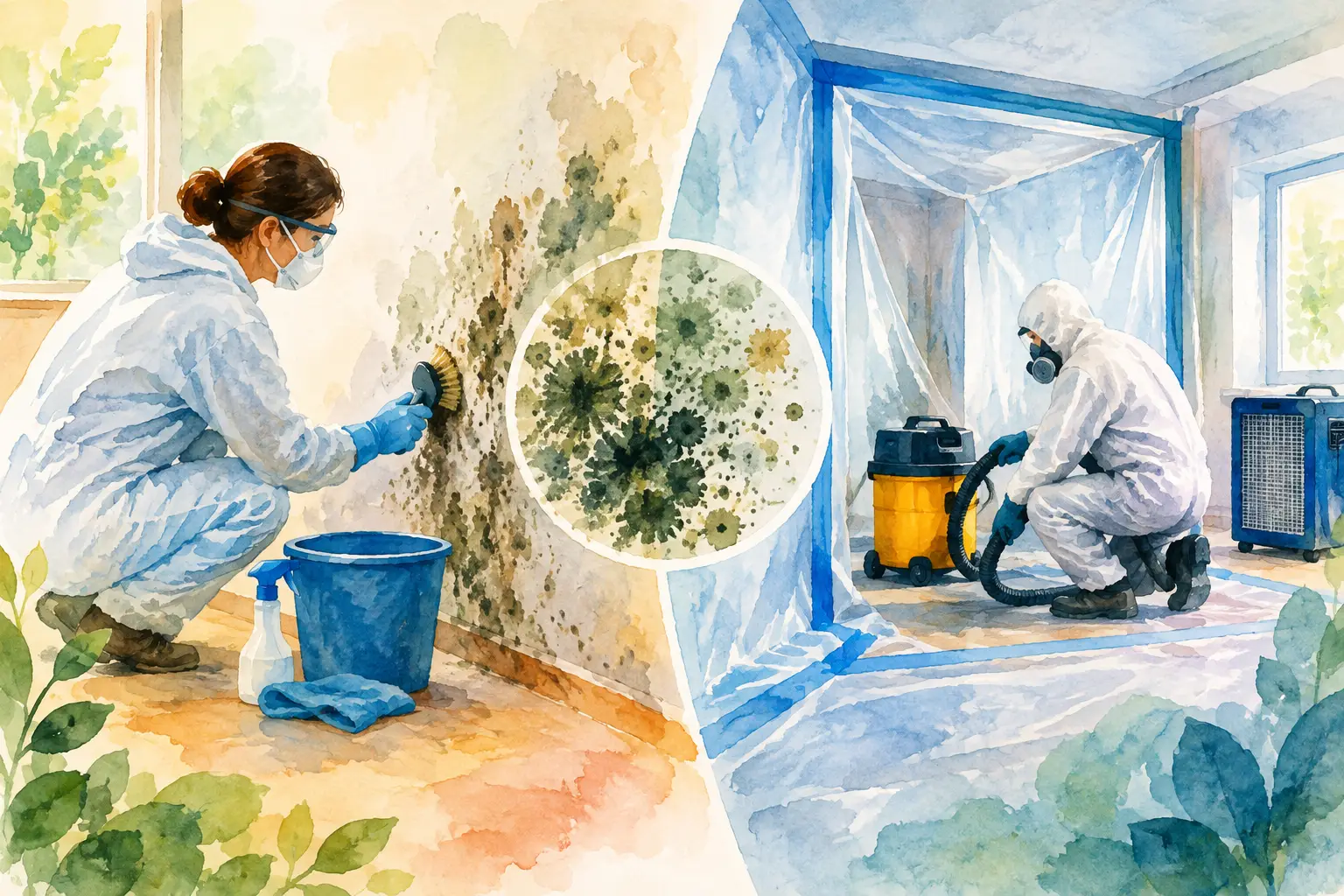
Once the scope is known, mitigation focuses on protecting the property from further contamination and damage. Depending on the situation, the affected area may be isolated with containment barriers and negative air equipment. Technicians use appropriate protective measures and work practices to prevent contaminated dust from traveling through the building.
Materials that cannot be effectively cleaned or dried may need to be removed. This can include wet insulation, damaged drywall, carpet padding, ceiling materials, or other porous contents. Salvageable structural components and contents are cleaned using methods appropriate for their material and condition.
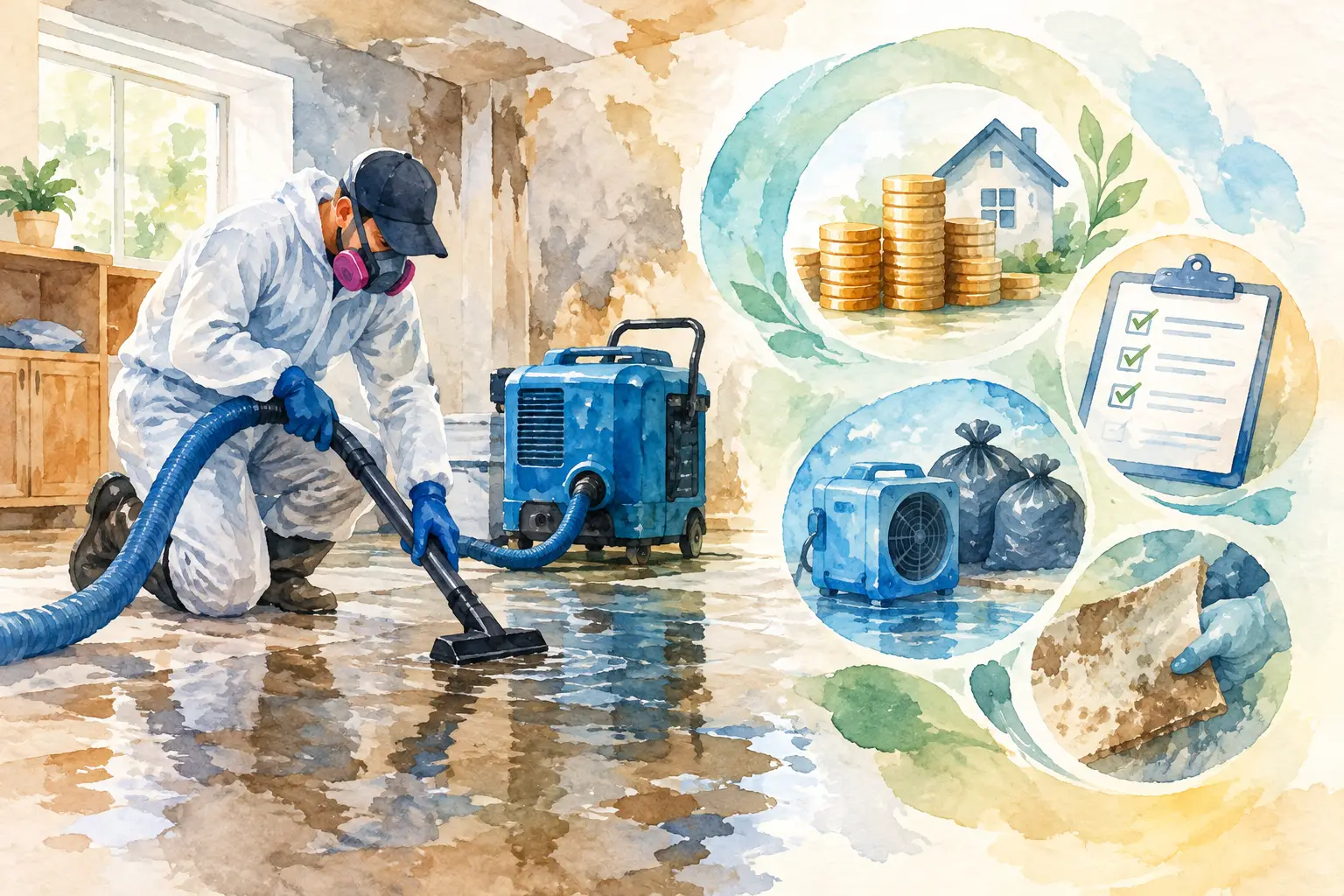
Drying is central to this stage. Without drying the structure and correcting the moisture source, mold can return even after visible growth is removed. For properties affected by a recent water loss, fast water mitigation can often reduce the chance that a larger mold problem develops.
Restoration returns the area to use
After remediation work is complete and the area is dry and clean, restoration addresses what was removed or damaged. That may include replacing drywall and insulation, reinstalling flooring, repainting, repairing trim, or completing larger reconstruction work.
This final phase is often where property owners see the value of working with one accountable restoration provider. Instead of coordinating separate mitigation, cleaning, and rebuilding contractors, the recovery can remain organized from the first assessment through the return to pre-loss condition.
Signs It Is Time to Call for Help
Mold is not always obvious. A visible patch should be addressed, but hidden moisture often reveals itself through changes in the building rather than clear growth. Contact a professional when you notice several warning signs or when the source is uncertain:
- A musty odor that persists after cleaning or airing out the space
- Water stains, peeling paint, warped flooring, or soft drywall
- Mold growth that returns after it has been cleaned
- A leak, flood, sewage backup, or roof damage that was not professionally dried
- Suspected growth behind walls, under flooring, or above ceilings
- Mold affecting a large area, multiple rooms, or a high-traffic commercial space
Some property owners may choose to handle a very small, visible area themselves after correcting the moisture source. That approach has limits. If the growth covers a larger area, involves contaminated water, affects vulnerable occupants, or may be concealed within the structure, professional assessment is the safer next step.
Mold Remediation After Water Damage
Water damage and mold are closely connected, but not every water event leads to mold. The deciding factors are how much water entered the structure, what materials were affected, how long they remained wet, and whether drying was complete.
A supply-line leak discovered quickly may only require targeted water extraction and drying. A slow leak behind a refrigerator or inside a wall can go unnoticed for weeks, allowing moisture to affect wood framing, drywall, flooring, and insulation. Storm damage may introduce water through a roof or exterior wall, while a sewage backup requires additional cleaning and safety considerations.
Prompt action helps protect both the building and the recovery timeline. A 24/7/365 restoration response can begin documenting conditions, removing water, setting drying equipment, and identifying materials that need attention before damage expands. For commercial property managers, quick mitigation can also reduce interruptions to tenants, staff, customers, and operations.
What to Expect From a Qualified Restoration Team
A capable remediation provider should explain what they found, what work is necessary, and why. The plan should address containment, removal or cleaning methods, drying, and the repairs needed afterward. Clear documentation is especially helpful when insurance claims, property managers, business stakeholders, or multiple decision-makers are involved.
Be cautious of any proposal that promises to “kill all mold” with a single chemical treatment while overlooking leaks, humidity, damaged materials, or structural drying. Antimicrobial products may have a role in some situations, but they are not a substitute for moisture control, physical cleaning, material removal when needed, and proper restoration.
ServiceMaster Restore by DCS approaches mold-related property damage as a recovery process, not a surface-cleaning task. The focus is on protecting unaffected areas, addressing the conditions that caused the problem, and coordinating the work needed to restore the property with as little disruption as possible.
A mold concern can feel uncertain because the full extent is not always visible. The most useful next step is to act before a small moisture problem becomes a larger restoration project: identify the source, control the spread, and make sure the space is truly dry before putting it back into service.