
Soot can look like a light layer of black dust, but treating it like ordinary dirt can make fire damage worse within minutes. If you are wondering how to clean fire soot, the first rule is simple: do not wipe, scrub, or vacuum it with a household vacuum before you understand what is affected. Soot particles are oily, abrasive, and easily transferred to clean surfaces, fabrics, and hands.
A small, contained incident may allow for careful cleaning. But when soot has traveled through several rooms, entered HVAC systems, affected ceilings or insulation, or left a persistent smoke odor, professional fire restoration is usually the safer path. Fast action protects finishes, belongings, indoor air quality, and the documentation needed for an insurance claim.
Start by Protecting People and Property
Before any cleaning begins, make sure the property is safe to enter. Fire can weaken building materials, damage electrical systems, and leave behind irritants that are not obvious at first glance. If the fire department or another authority has restricted access, wait for approval before re-entering.
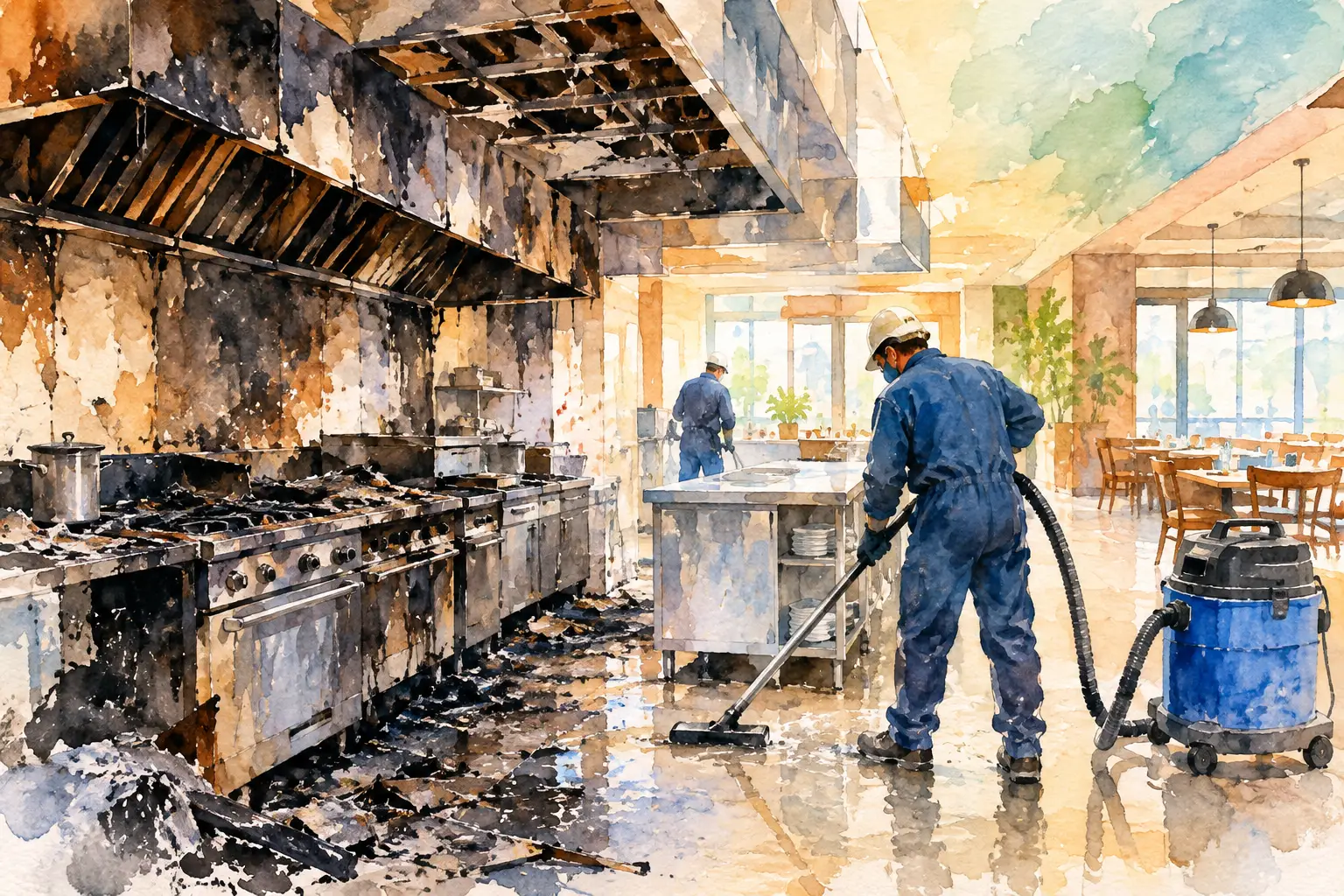
Wear gloves, long sleeves, eye protection, and an appropriate respirator if you must enter a lightly affected area. Keep children, pets, customers, and employees away from the space. For commercial properties, isolate the affected area and consider how foot traffic could spread soot into hallways, offices, inventory areas, or customer-facing spaces.
Do not turn on the HVAC system until it has been inspected. Air movement can carry fine soot through ducts and deposit it throughout the building. Also avoid running ceiling fans, opening windows near heavily affected areas, or using a standard box fan. Ventilation can help in limited situations, but uncontrolled airflow can spread contamination before cleaning and containment are in place.
Document the Damage Before You Clean
Take clear photos and videos before moving items or beginning cleanup. Capture affected walls, ceilings, floors, furniture, electronics, cabinets, contents, and exterior areas. Photograph the room from multiple angles, then take closer images of visible soot, blistered finishes, and smoke staining.
For homeowners, this record can support your insurance claim and help establish the condition of damaged belongings. For facility managers and business owners, documentation also supports continuity planning, vendor coordination, inventory decisions, and communication with insurers or stakeholders.
Do not throw away damaged property right away unless it presents an immediate safety or sanitation concern. Some items that appear unsalvageable can be restored with specialized cleaning methods. Others need to be retained briefly for insurance review. A restoration assessment can help separate cleanable contents from materials that should be removed.
How to Clean Fire Soot on Hard Surfaces
The right cleaning method depends on the surface and the type of fire. Dry soot from a wood or paper fire behaves differently from oily soot created by plastics, appliances, cooking oils, or synthetic materials. Protein fires, often caused by burned food, can leave little visible residue but produce a strong, penetrating odor.
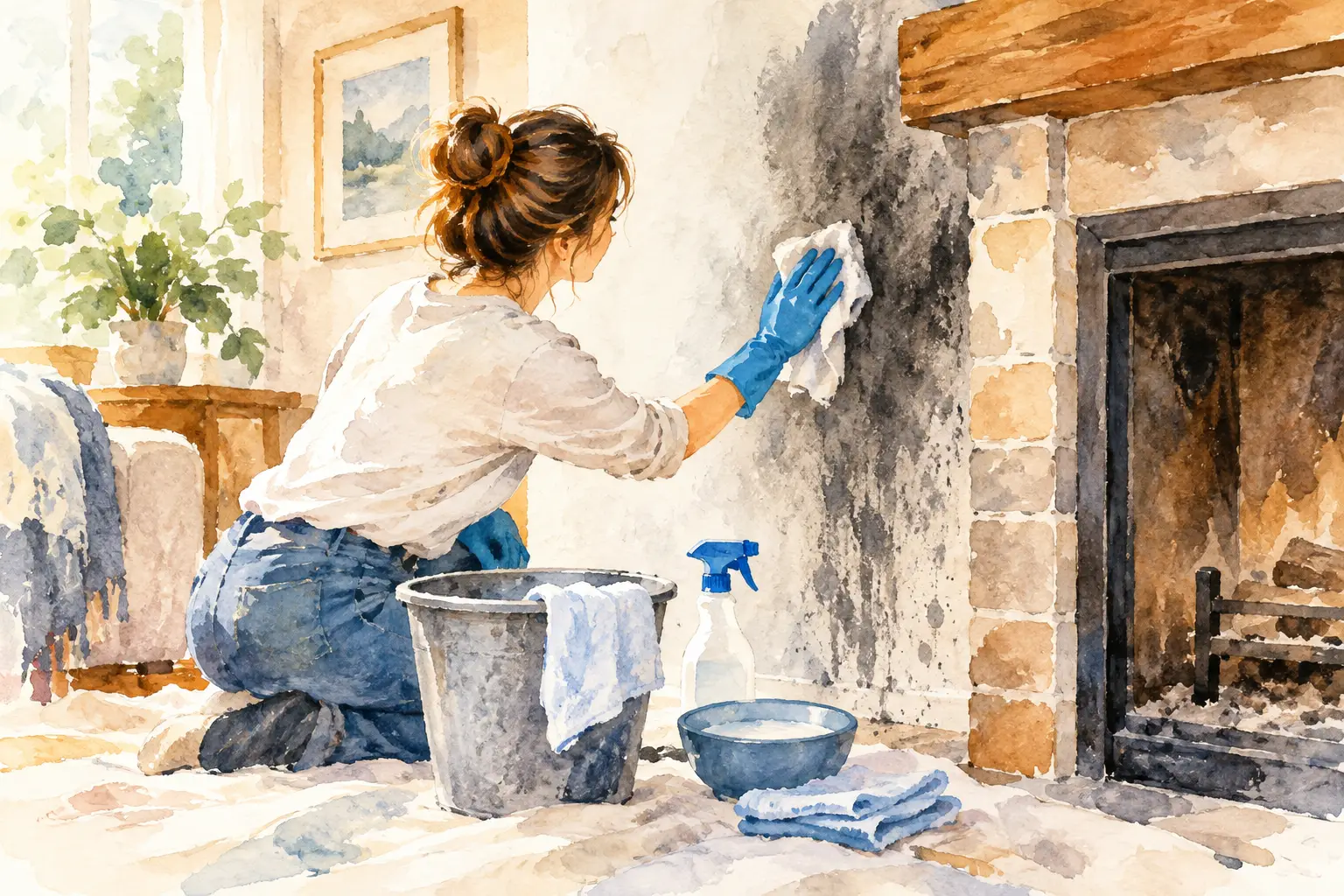
For a small amount of dry soot on a hard, nonporous surface, begin with dry cleaning rather than water. Use a dry chemical sponge, also called a soot sponge, and wipe in straight, overlapping strokes. Do not rub back and forth. Rotate to a clean area of the sponge as it becomes soiled, and avoid compressing soot deeper into the material.
After dry removal, use a mild cleaning solution that is appropriate for the surface. Test it in an inconspicuous area first. Work from the ceiling downward so loose particles do not fall onto areas you have already cleaned. Change cleaning cloths and rinse water frequently. Dirty water or a saturated cloth can redeposit soot and leave streaks.
Avoid these common mistakes:
- Do not use a household vacuum, feather duster, or dry rag on soot-covered surfaces.
- Do not use abrasive pads, harsh degreasers, or bleach without confirming they are safe for the material.
- Do not soak drywall, unfinished wood, paper products, or upholstered furniture.
- Do not paint over soot or odor without proper cleaning and sealing.
Walls and ceilings deserve particular care. Flat paint, textured finishes, wallpaper, and porous drywall can hold residue below the surface. Aggressive washing may leave permanent smears or damage the finish. When soot is widespread, professional cleaning and odor treatment are often more cost-effective than repeated attempts to clean and repaint affected rooms.
Cleaning Soot From Furniture, Fabrics, and Personal Belongings
Upholstery, clothing, bedding, rugs, and drapes can trap soot particles and smoke odor in their fibers. Do not shake these items indoors, and do not place them in a standard washing machine before loose soot is removed. Water can set certain residues into fabric and make staining more difficult to reverse.
For lightly affected washable fabrics, carefully remove loose residue outdoors if conditions allow, then follow the manufacturer’s care label. Use cool water unless the label directs otherwise. Do not dry an item until you are confident the odor and staining are gone, because dryer heat can set damage.
Leather, suede, silk, antiques, artwork, books, electronics, and specialty materials require different processes. Electronics are especially vulnerable because soot can enter vents and coat internal components. Turning them on before inspection can create additional risk. Set these items aside for evaluation rather than experimenting with household cleaners.
For commercial properties, contents cleaning may include documents, equipment, displays, inventory, furnishings, and sensitive records. A clear inventory and organized pack-out process can reduce confusion while the building is being cleaned and restored.
Remove Smoke Odor at Its Source
A smoke smell is not solved by air fresheners, scented candles, or open windows. Those measures may temporarily mask the odor, but they do not remove the odor-causing particles. If soot remains on framing, insulation, ductwork, fabrics, or contents, the odor can return when temperatures rise or humidity changes.
Effective odor control begins with source removal. That means cleaning soot from affected surfaces, removing materials that cannot be restored, and addressing hidden areas such as wall cavities, attic spaces, and HVAC components when necessary. Depending on the loss, restoration teams may use air filtration, thermal fogging, hydroxyl treatment, ozone treatment in unoccupied spaces, and specialized sealing methods after proper cleaning.
Each method has limits. Ozone, for example, is not a substitute for cleaning and should only be used by trained professionals under controlled conditions. The right approach depends on the fire source, the materials involved, how long the smoke remained in the structure, and whether occupants have respiratory sensitivities.
Know When to Call a Fire Restoration Team
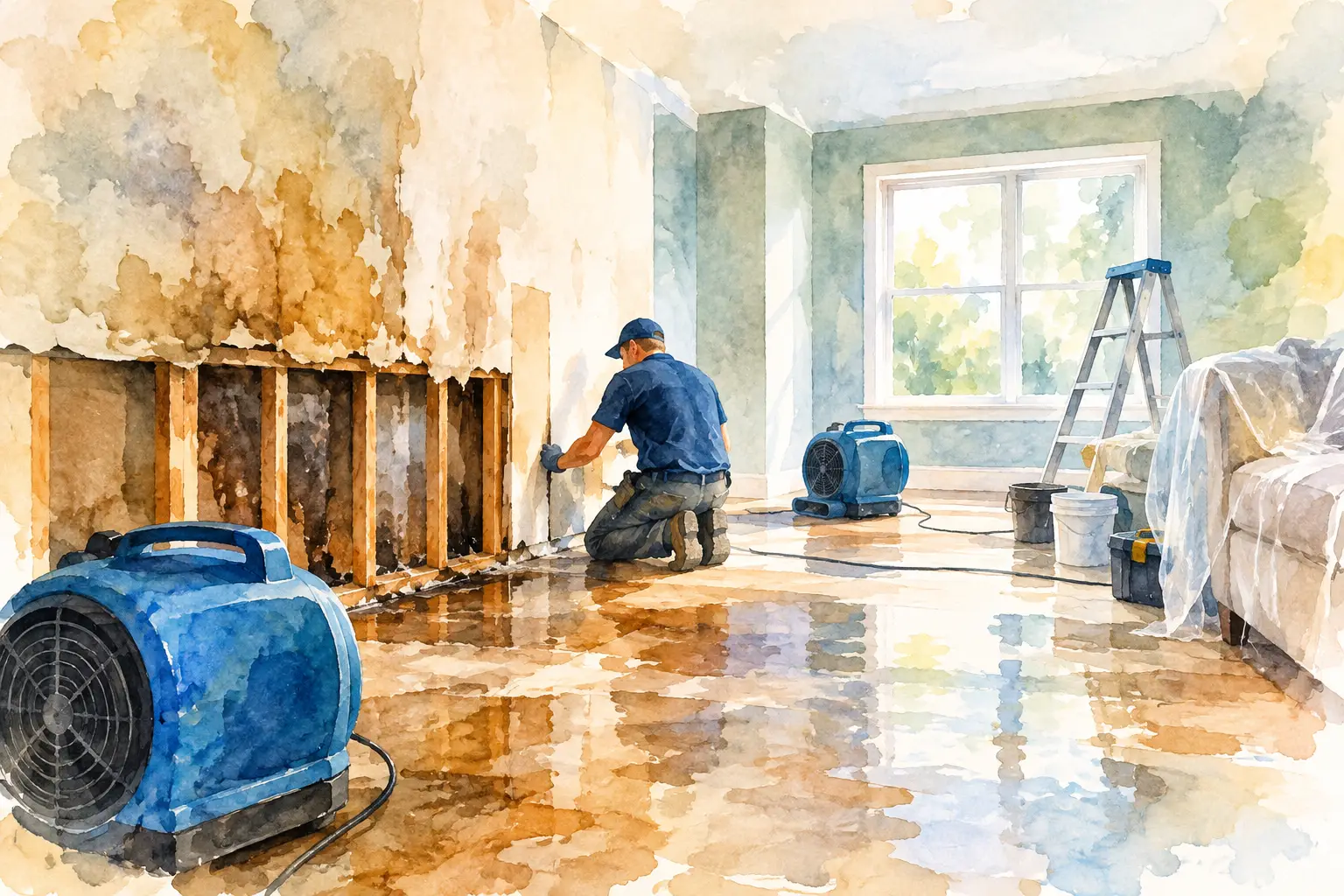
Professional help is strongly recommended when soot is visible in more than one room, smoke odor has entered the HVAC system, ceilings or walls are heavily affected, or the fire involved plastics, chemicals, appliances, or cooking oils. It is also the right call when a property has water damage from firefighting efforts, which can quickly lead to additional deterioration or mold growth.
For a business, early mitigation can limit closure time and protect equipment, inventory, and customer confidence. For a homeowner, it can prevent a manageable loss from becoming a larger reconstruction project. A qualified restoration provider can assess the full scope, contain affected areas, clean and deodorize contents, coordinate insurance documentation, and rebuild damaged spaces when needed.
ServiceMaster Restore by DCS follows an organized recovery process built around assessment, mitigation, and restoration. With a Restore Team on Call 24/7/365, the focus is on stopping additional damage quickly and creating a clear path back to a safe, usable property.
If you are unsure whether a surface is safe to clean yourself, pause before applying water or chemicals. Preserving the condition of the property now gives you more options to restore what matters most later.