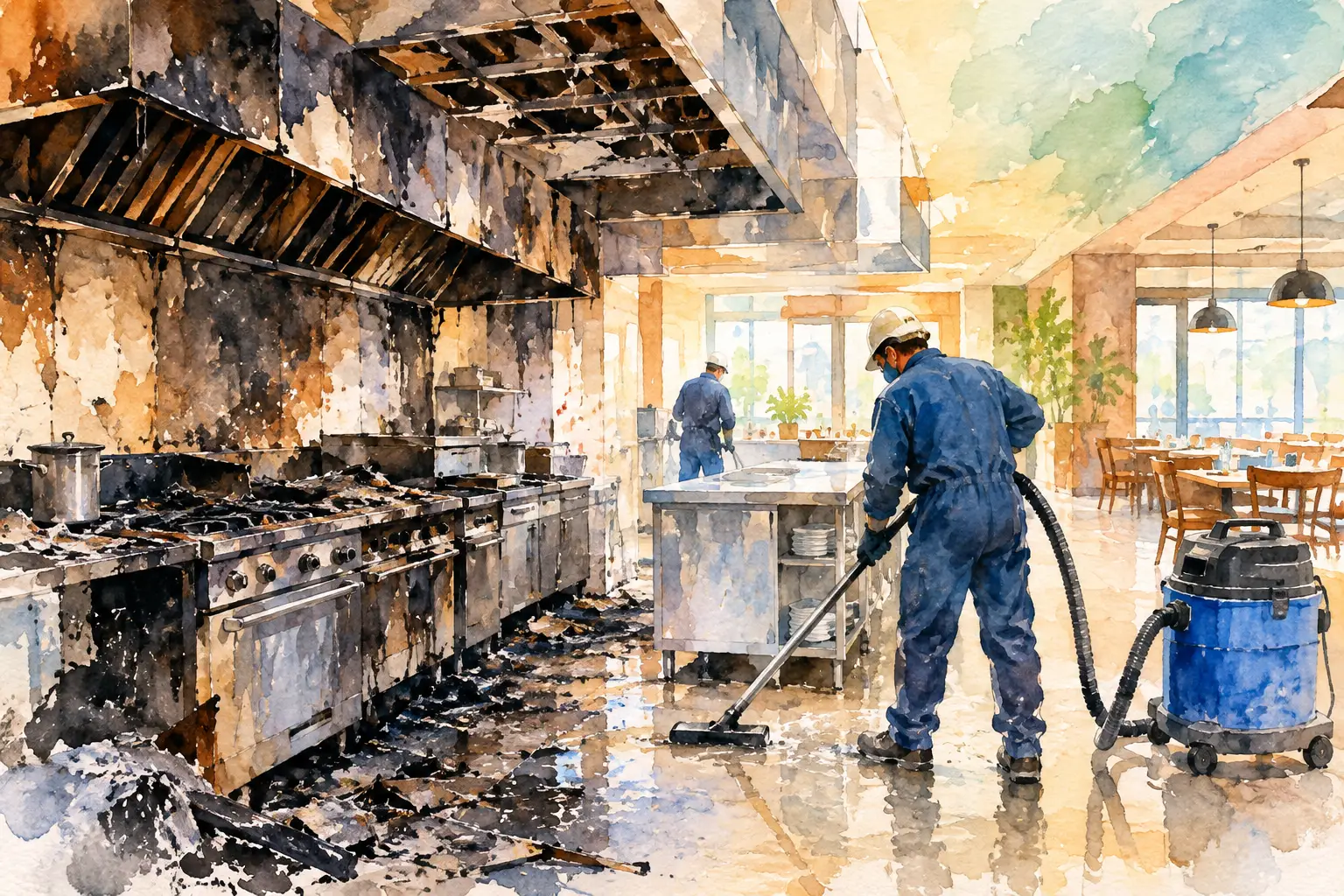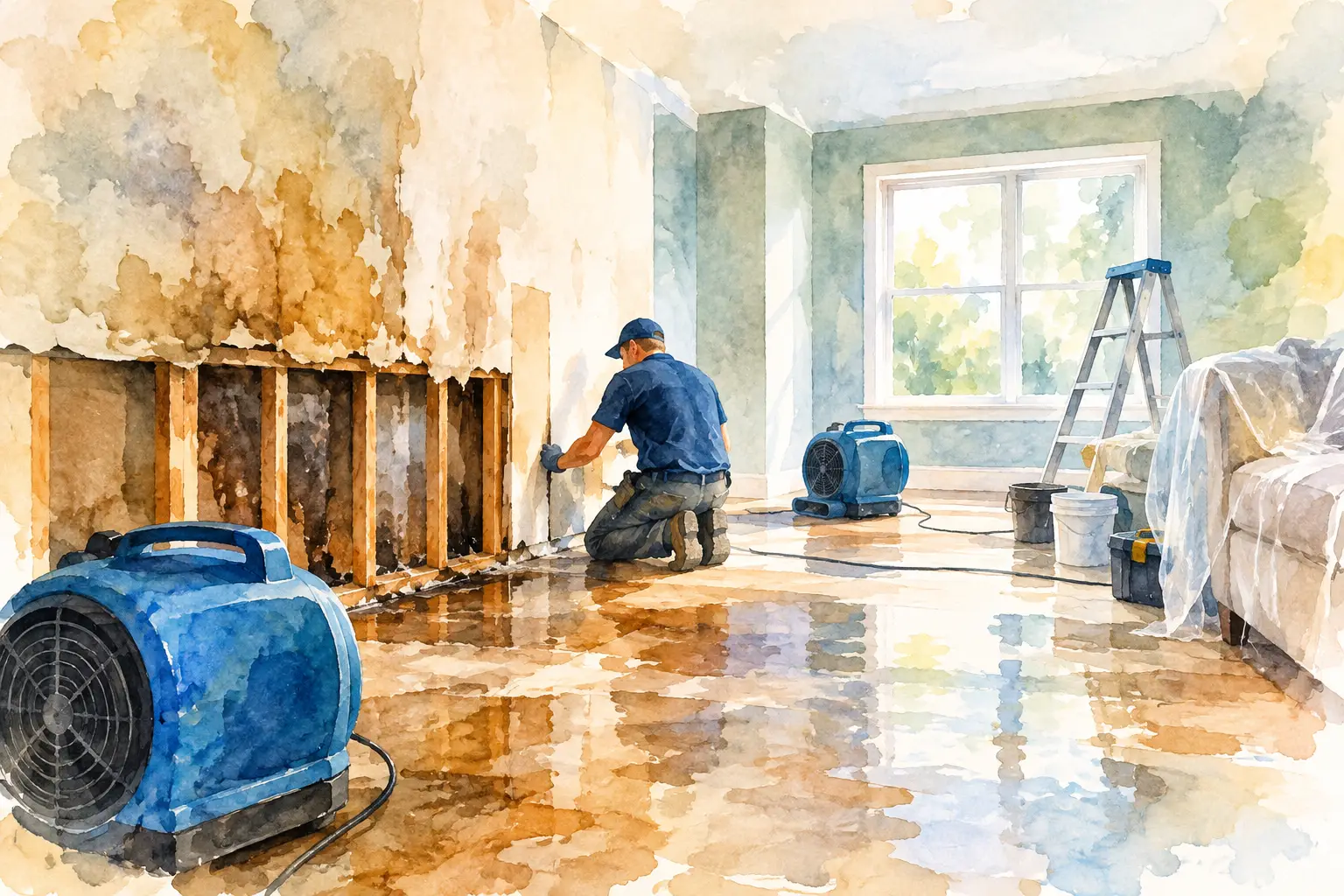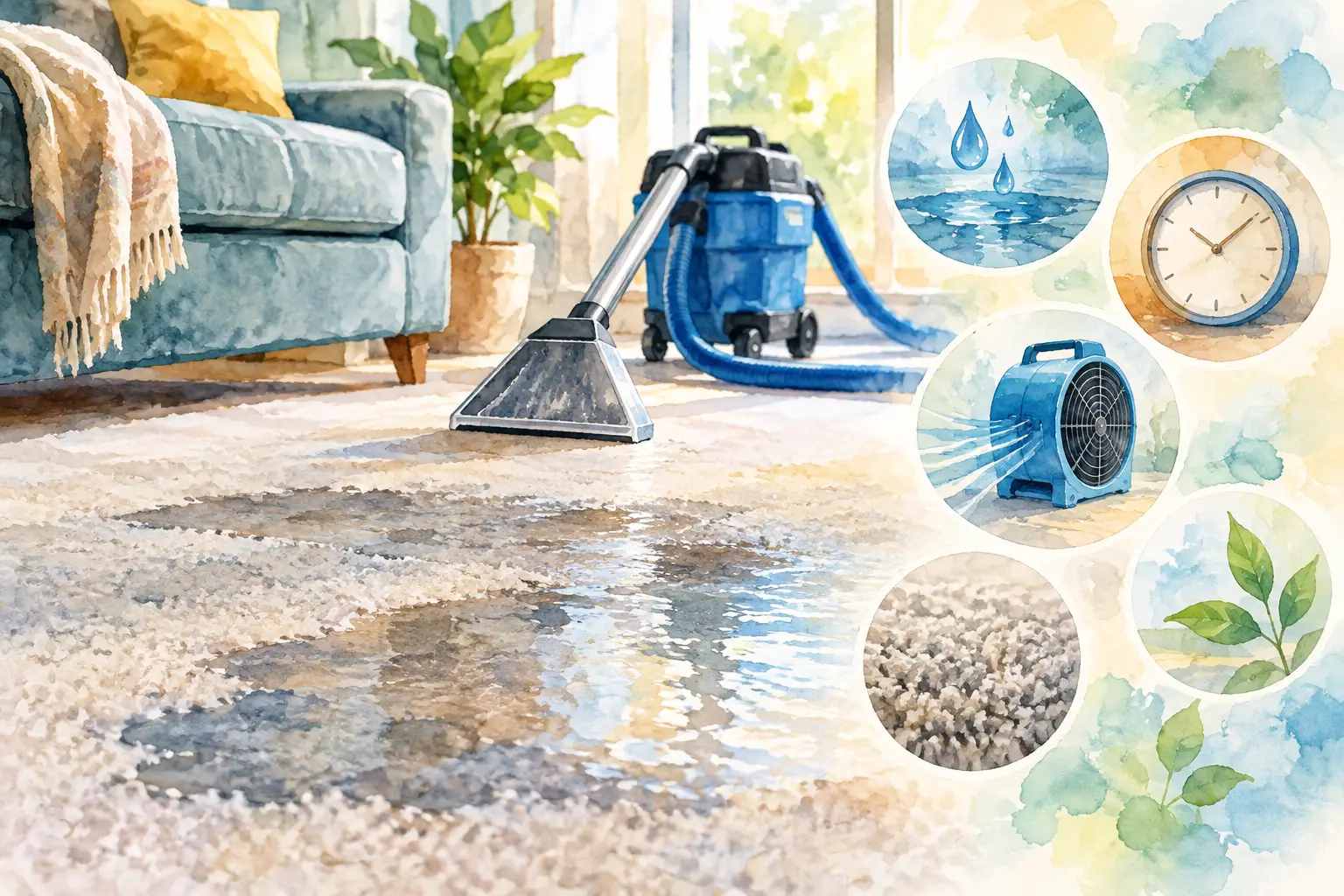

Water can be gone from sight while the real work is still ahead. Reconstruction after water damage is the phase that returns a property to a safe, functional, finished condition after emergency cleanup and drying are complete. For a homeowner, that may mean replacing damaged drywall and flooring. For a business, it may mean rebuilding affected areas while protecting operations, inventory, and customer access.
The goal is not simply to make a room look normal again. Proper reconstruction addresses materials that cannot be saved, restores building systems, and helps prevent hidden moisture issues from becoming future mold, odor, or structural problems. A coordinated restoration and reconstruction plan gives property owners one clear path forward when damage has interrupted daily life.
Reconstruction Starts After Mitigation, Not Before
The first priority after a leak, flood, burst pipe, appliance failure, or sewer backup is to stop the source of water and prevent additional damage. Emergency mitigation may include water extraction, removal of unsalvageable materials, contents protection, cleaning, and commercial drying equipment.
Rebuilding too soon can trap moisture behind new finishes. That is why a qualified restoration team verifies that affected structural materials have reached appropriate drying goals before reconstruction begins. Moisture readings, drying documentation, and a careful inspection help determine whether walls, subfloors, framing, insulation, and other building components are ready for repair.
This sequence matters. New flooring installed over a damp subfloor can cup, separate, or fail. Drywall installed before framing is dry can support mold growth behind the wall. A ceiling that appears dry may still require closer evaluation if water traveled through insulation or across multiple levels of the building.
For commercial properties, mitigation and reconstruction sometimes overlap in separate areas. A facility may be able to reopen unaffected spaces while work continues behind containment barriers in the damaged section. The right approach depends on the water source, the extent of damage, occupancy needs, and safety requirements.
What Reconstruction After Water Damage Can Include
No two water losses are identical. A clean-water supply line leak in a single bathroom may require limited repairs, while a storm-related intrusion or sewage backup can affect multiple rooms and require more extensive removal, cleaning, and rebuilding.
Once drying is complete, reconstruction may involve repairing or replacing drywall, insulation, trim, doors, cabinets, flooring, ceiling systems, and paint. It can also include repairs to framing, subfloors, electrical components, plumbing connections, or HVAC-related materials when they have been affected.
The visible finishes are only one part of the job. A reliable reconstruction plan considers what is behind them. For example, a kitchen cabinet base may look intact but still need removal if water saturated the materials beneath it. In a commercial setting, damaged wall systems may conceal wiring, low-voltage equipment, or insulation that needs inspection before surfaces are closed back up.
Some projects are an opportunity to make practical updates while repairs are underway. A homeowner may choose more water-resistant flooring in a basement. A property manager may replace damaged ceiling materials with options better suited to the building’s use. These choices can be worthwhile, but they should be distinguished from the work needed to return the property to its pre-loss condition, especially when insurance is involved.
The Three Steps That Keep Recovery Organized
A structured recovery process reduces uncertainty. ServiceMaster Restore by DCS approaches property recovery through assessment, mitigation, and restoration, creating a clear progression from the first emergency call through final reconstruction.
1. Assessment
Assessment identifies the source and category of water, the areas affected, the materials involved, and the immediate safety concerns. Technicians evaluate visible damage as well as areas where water may have traveled beneath flooring, behind walls, or into adjacent rooms.
This is also when the reconstruction scope begins to take shape. Accurate documentation, photos, measurements, and material evaluations help establish what can be restored and what requires replacement. For commercial clients, the assessment should also account for access restrictions, operating hours, tenant needs, code considerations, and continuity priorities.
2. Mitigation
Mitigation is the work that limits additional loss. It includes extracting water, stabilizing affected materials, setting drying equipment, cleaning surfaces, and removing materials that cannot be safely dried or restored.
When needed, controlled demolition is part of mitigation, not a sign that the project is moving backward. Removing wet drywall, insulation, or flooring can expose the structure for proper drying and prevent contamination or microbial growth from being sealed into the building. A clean, dry, stable work area creates the right conditions for lasting reconstruction.
3. Restoration and Reconstruction
Once the property is dry and the repair scope is confirmed, reconstruction restores the affected space. Work is typically completed in a logical order: structural repairs first, then insulation and drywall, followed by flooring, trim, cabinets, paint, fixtures, and final details.
The schedule depends on material availability, the extent of the loss, required approvals, and the building’s condition. A small room may be rebuilt relatively quickly. A multi-unit property, restaurant, warehouse, church, or office may require phased work to keep essential operations moving. Clear communication about sequencing helps owners and managers plan around the disruption.
Insurance Documentation Should Support the Work
Water damage claims can feel complicated because the damage is not always fully visible on day one. Materials may swell, staining may develop later, and drying can reveal conditions that were hidden when surfaces were wet. Thorough documentation provides a factual record of what happened and what work was necessary to stabilize and restore the property.
A restoration provider familiar with insurance-related processes can help document emergency services, mitigation activities, moisture conditions, and reconstruction needs. That does not mean every claim has the same outcome. Coverage depends on the policy, the cause of loss, exclusions, deductibles, and carrier decisions.
Property owners can help by keeping records of the incident, saving communications, and avoiding permanent repairs before the affected areas have been properly assessed. If temporary measures are needed to prevent further damage, document them. Fast action to protect the property is often essential, but it should be organized rather than rushed.
Choosing a Reconstruction Partner
Water damage is stressful enough without coordinating a separate extraction company, mold contractor, cleaning crew, flooring installer, drywall team, painter, and general contractor. Using an end-to-end provider can reduce handoffs, simplify communication, and keep the reconstruction scope aligned with the mitigation work that came before it.
Ask how the provider verifies drying before rebuilding begins, how changes in the scope are communicated, and who will manage the project from start to finish. Residential customers should also ask how personal belongings and daily access will be protected. Commercial decision-makers should look for a plan that addresses safety, access, containment, scheduling, documentation, and business continuity.
Experience matters most when conditions are complicated. Water can affect finishes, structure, contents, indoor air quality, and building systems at the same time. A team that understands both emergency response and construction is better positioned to identify those connections early and avoid repairs that only cover up the damage.
When to Begin the Process
Call for professional help as soon as water damage is discovered, even if the water appears limited. A quick response can reduce demolition, protect belongings, and shorten the path to reconstruction. This is especially true after sewage contamination, significant flooding, water affecting ceilings or electrical systems, or moisture that has been present for more than a day or two.
For property managers and business owners, preparedness makes the response more controlled. Knowing who to call, where shutoff valves are located, and how to protect key records or equipment can limit downtime when a loss occurs. A recovery plan does not eliminate disruption, but it gives people a clear next step when every hour matters.
The best reconstruction work does more than repair walls and floors. It restores a space people can use with confidence, whether that means a family returning to their home or a business getting back to serving its customers. When the water is contained, the next decision should be simple: rebuild carefully, verify the work, and restore what matters most.