
A wet floor is only part of a water loss. Moisture can move beneath flooring, behind baseboards, into wall cavities, and through insulation before it becomes visible. So, how does structural drying work? It is a controlled restoration process that removes water, measures hidden moisture, and creates the right drying conditions to return building materials to an acceptable moisture level without causing additional damage.
For homeowners, that means protecting the structure and reducing the risk of mold, odors, and costly repairs. For businesses, it also means minimizing operational downtime and documenting conditions clearly for property and insurance decisions. Effective drying is not simply placing a few fans in a room. It begins with knowing where the water traveled and continues until the affected materials are verified dry.
How Does Structural Drying Work Step by Step?
Structural drying generally follows a clear recovery path: assessment, mitigation, and restoration. The exact equipment and timeline depend on the source of water, the materials involved, how long they were wet, and local conditions such as temperature and outdoor humidity.
Assessment identifies the full extent of moisture
The first task is to stop the source of water if it is still active. That could mean shutting off a supply line, addressing a roof leak, containing stormwater entry, or coordinating repairs after a plumbing failure. Once the source is controlled, restoration professionals inspect the affected area to determine how far the moisture has spread.
Visible damage is documented, but a proper assessment goes further. Technicians use moisture meters, thermal imaging cameras, hygrometers, and other tools to compare wet materials with dry reference areas. These readings can reveal moisture inside walls, beneath vinyl or hardwood flooring, under cabinets, and within carpet padding.
The water category also affects the plan. Clean water from a broken supply line may allow more materials to be dried and restored if addressed quickly. Water from a toilet backup, sewage source, or outside flooding can contain contaminants. In those cases, safety and sanitation may require removal of affected porous materials rather than drying them in place.
Mitigation removes standing water and protects the property
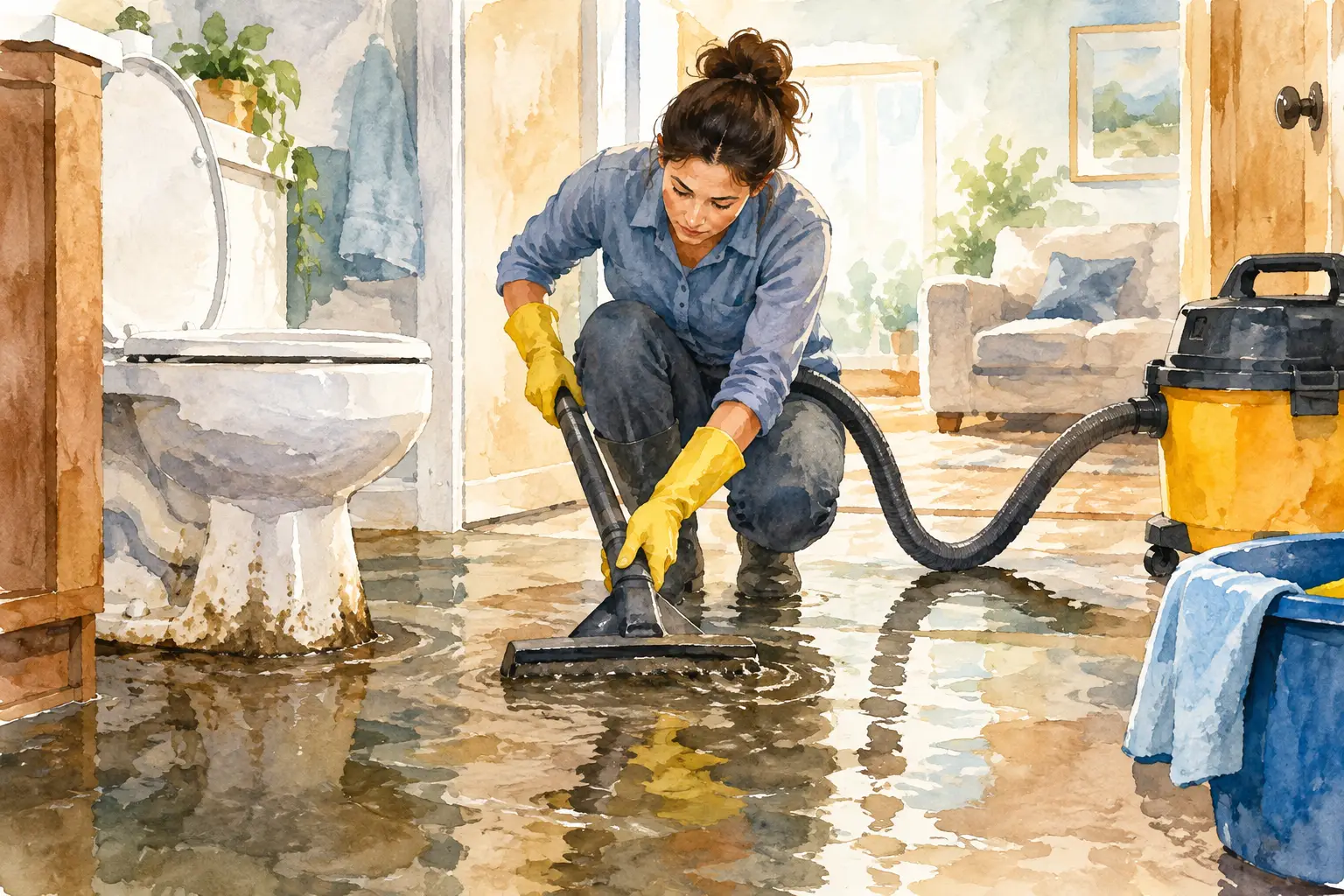
Before materials can dry, bulk water must be extracted. Pumps, truck-mounted extraction equipment, portable extractors, and weighted tools for carpet can remove a significant amount of water quickly. Early extraction matters because every gallon removed mechanically is water that does not have to evaporate into the air later.
The mitigation team may also move furniture, protect unaffected rooms, remove wet rugs or damaged contents, and establish containment where needed. If drywall, insulation, or flooring cannot be safely dried, targeted removal may be the most practical choice. This can feel disruptive, but retaining heavily saturated materials can trap moisture and delay the recovery.
The goal is not to remove more than necessary. It is to make informed decisions that preserve salvageable materials while preventing hidden damage from becoming a larger problem.
Drying equipment creates the conditions for evaporation
After extraction, restoration teams set up equipment to control airflow, temperature, and humidity. These are the three conditions that drive structural drying.
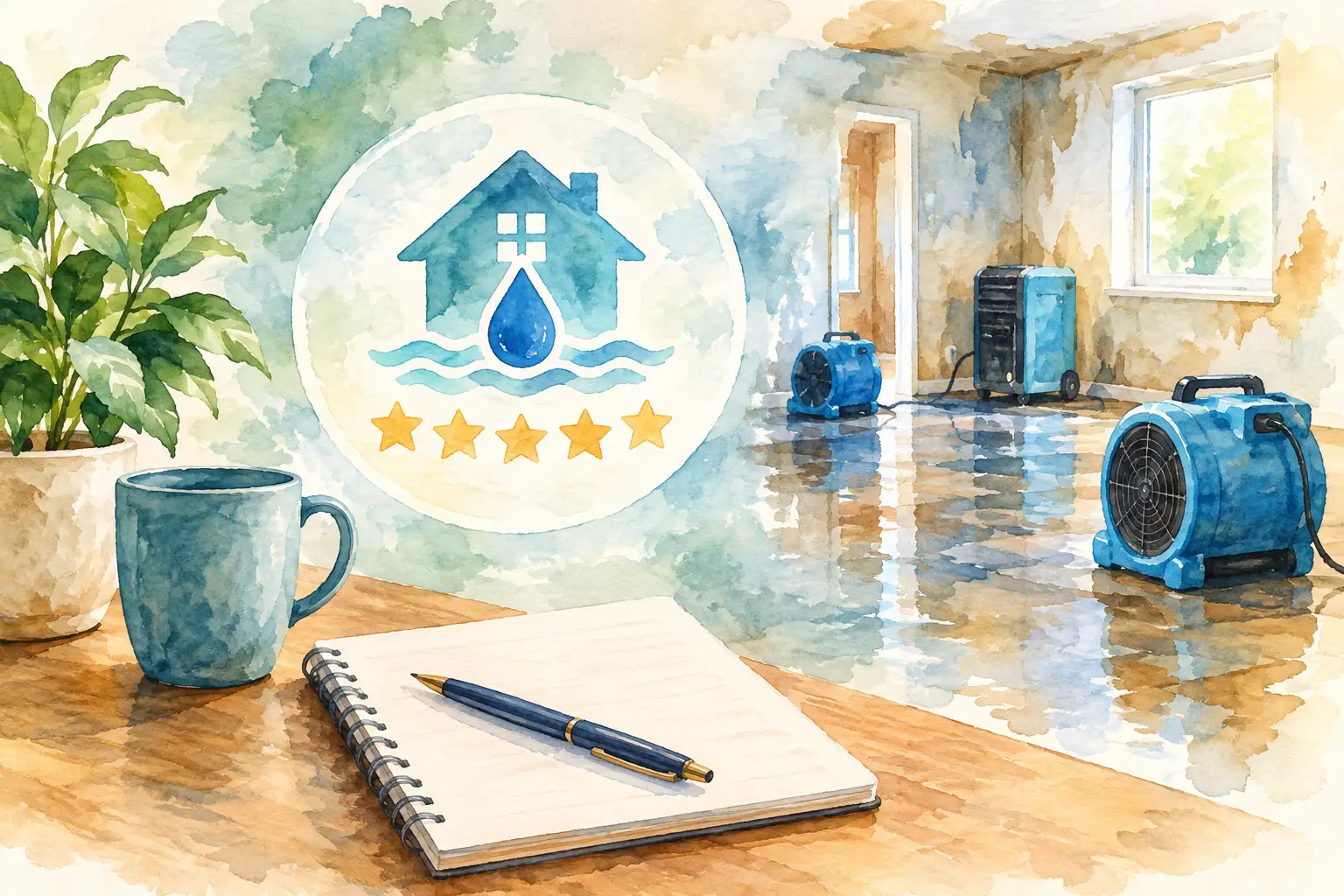
Air movers direct air across wet surfaces. That movement disrupts the humid layer of air that naturally forms next to damp materials, allowing more moisture to evaporate. Dehumidifiers then remove that moisture from the air. Without dehumidification, air movers can raise indoor humidity and slow the process.
Depending on the loss, technicians may use refrigerant dehumidifiers, desiccant dehumidifiers, air scrubbers, wall-cavity drying systems, floor drying mats, or specialty drying equipment. A hardwood floor, for example, may require a more controlled approach than an open concrete basement. Drying too aggressively can sometimes cause wood to cup, crack, or separate, while drying too slowly leaves moisture in place for too long.
Temperature is managed as well. Warmer air can hold more water vapor, which can support evaporation, but heat must be used thoughtfully. The best drying environment is not always the hottest one. It is the one that produces consistent moisture removal without damaging finishes, contents, or building materials.
Monitoring Makes Structural Drying Measurable
Drying equipment is not set up and forgotten. Conditions change as materials release moisture, so daily monitoring is a critical part of the process. Technicians check the moisture content of materials, relative humidity, temperature, and dehumidifier performance. They adjust equipment placement or capacity based on those readings.
This measurement-based approach distinguishes professional drying from a general cleanup effort. A wall may feel dry on the surface while framing or insulation remains wet behind it. Likewise, the air may feel comfortable even though subflooring or cabinetry still contains excess moisture.
Drying goals are based on unaffected materials in the same structure whenever possible. For example, a dry section of comparable drywall, wood trim, or framing provides a useful baseline. Restoration work is complete when affected materials have returned to an appropriate moisture level and the environment is stable, not merely when the room looks dry.
Documentation also supports communication with property owners, facility teams, and insurers. For commercial properties, clear records can help explain the scope of the loss, the actions taken to prevent further damage, and the progress toward reopening affected areas.
What Materials Can Be Dried and What May Need Removal?
It depends on the material, contamination level, saturation, and response time. Nonporous and semi-porous materials such as metal, concrete, tile, and some plastics can often be cleaned and dried successfully. Structural framing may also be dried if the water is addressed promptly and contamination is not a concern.
Porous materials need closer evaluation. Carpet may be restorable after a clean-water loss if extraction begins quickly and the backing, pad, and subfloor can be dried. Wet carpet padding often requires replacement because it holds water and loses its shape. Drywall can sometimes be dried in place, especially when only the lower portion is affected, but saturated insulation behind it may need removal to allow the wall cavity to dry.
Wood flooring requires special attention. Solid hardwood can absorb water and expand, while engineered products may delaminate depending on construction and exposure. Technicians may use drying mats and controlled dehumidification to pull moisture from the material, but some floors need replacement if warping or separation is severe.
Contents matter, too. Furniture, documents, electronics, inventory, and equipment can require separate cleaning, drying, or evaluation. In a commercial setting, relocating critical equipment or isolating unaffected inventory early can reduce a loss significantly.
How Long Does Structural Drying Take?
Many straightforward water losses dry in approximately three to five days after the source is stopped and extraction begins. However, that range is not a guarantee. A small clean-water loss on a hard surface may be resolved faster, while water that has traveled beneath multiple flooring layers or inside walls can take longer.
Several factors affect the timeline: the volume of water, the length of time materials were wet, the water source, the type of construction, outdoor weather, and whether the property can maintain controlled indoor conditions. A large warehouse, restaurant, church, or multi-unit building may require phased drying plans to keep safe areas accessible while affected sections are restored.
Trying to speed the job by turning off equipment early can create setbacks. Moisture often migrates from wetter areas into drier materials during the drying process. Continuing to monitor until readings are appropriate helps prevent lingering odors, mold growth, and secondary damage that may surface weeks later.
What Property Owners Should Do While Drying Is Underway
Keep the affected area as stable as possible. Avoid opening windows unless the restoration team recommends it, since outdoor air may add humidity rather than remove it. Do not unplug or reposition drying equipment, and avoid walking on lifted carpet, drying mats, or exposed materials.
If the loss involved sewage, floodwater, or other potentially contaminated water, keep people and pets out of the area until it has been cleaned and cleared. For businesses, communicate access restrictions clearly and protect employees, customers, and tenants from slip hazards or exposed work zones.
Take photos of visible damage and retain relevant records, but do not wait for an insurance decision before taking reasonable steps to prevent additional damage. Fast mitigation is often the best way to protect the property and limit the overall scope of repairs.
When water disrupts your home or operation, a measured response brings order back to the situation. ServiceMaster Restore by DCS can assess the moisture, manage drying, document the work, and help move the property toward repair so you can focus on restoring what matters most.