
The fire is out, but the property is not yet safe to reenter or ready to use. Soot can spread through HVAC systems, smoke odor can settle into hidden materials, and water used to extinguish the fire can begin causing secondary damage within hours. Fire damage restoration is the organized process of protecting the property, cleaning what can be saved, removing what cannot, and rebuilding the space so life or business operations can move forward.
For homeowners, that may mean preserving family belongings and making a damaged house safe again. For a facility manager or business owner, it may mean protecting inventory, documenting the loss, and reducing downtime. The details vary, but the first priorities remain the same: secure the site, prevent additional damage, and create a clear recovery plan.
The First Hours After a Fire Matter
Once fire officials have released the property, it is tempting to start sorting through belongings or wiping visible soot from walls. That can create more problems. Soot is abrasive and can be oily, dry, or protein-based depending on what burned. Using the wrong cleaning method may permanently drive staining deeper into paint, upholstery, wood, or electronics.
The property may also have hazards that are not obvious at first glance. Damaged electrical systems, weakened structural components, broken glass, exposed nails, contaminated water, and compromised roofing all require careful assessment. Commercial properties can add other concerns, including damaged equipment, affected food products, sensitive records, and building systems that support daily operations.
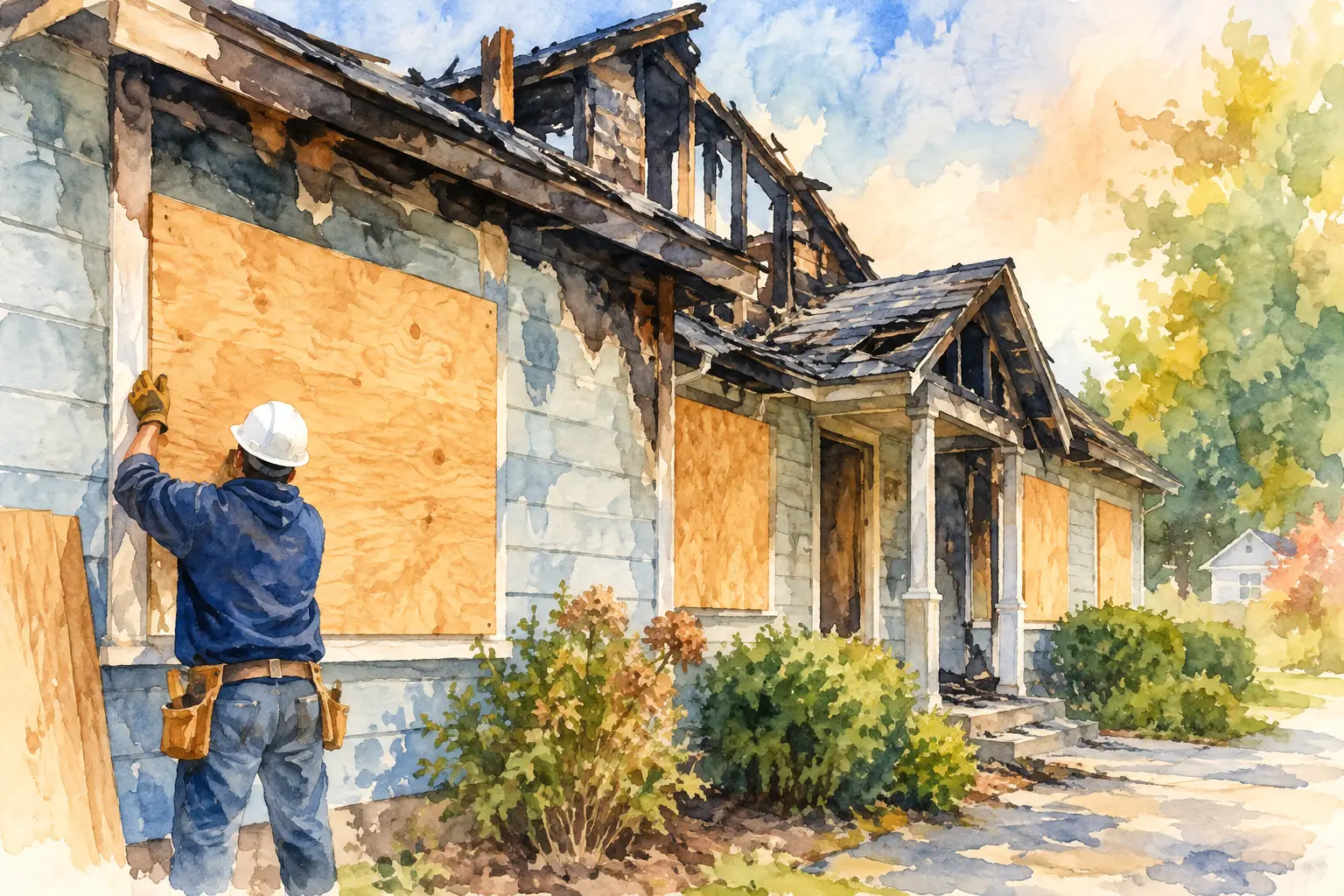
A professional response begins by stabilizing the scene. That can include emergency board-up, roof tarping, controlled access, and temporary measures to protect the building from rain, wind, theft, or vandalism. These steps are not cosmetic. They limit the loss while the full scope of fire, smoke, and water damage is documented.
If it is safe to do so, keep a record of damaged areas and belongings before anything is moved. Save receipts for emergency expenses and avoid discarding items until they have been reviewed for insurance purposes. Most importantly, do not turn on utilities or equipment that may have been affected until qualified professionals determine it is safe.
Fire Damage Restoration Follows a Clear Process
A fire loss can feel chaotic because several kinds of damage happen at once. A disciplined restoration process brings order to that situation. At ServiceMaster Restore by DCS, recovery is built around assessment, mitigation, and restoration, with one accountable team coordinating the work from emergency response through reconstruction.
Assessment: Understanding the Full Loss
The visible burn area is only part of the picture. Restoration professionals inspect the structure, contents, smoke migration, water impact, and air quality concerns. They identify affected materials and determine which items can be cleaned, restored, or require removal.
This assessment also supports practical decisions about the next phase of work. A lightly affected room may need detailed cleaning and odor treatment, while a heavily burned area may require demolition and rebuilding. In a commercial building, the assessment should also identify operational priorities. A warehouse may need a plan to protect inventory and reopen specific zones. A restaurant may need to address kitchen equipment, ventilation, food safety, and health requirements before it can resume service.
Clear documentation matters throughout this stage. Photos, moisture readings, inventories, and written scope information help create a reliable record for property owners and insurance carriers. It also reduces confusion when reconstruction begins later.
Mitigation: Stopping Further Damage
Mitigation is the work that prevents a bad situation from becoming worse. After a fire, that often includes removing standing water, drying wet structural materials, setting up containment, and protecting unaffected areas from cross-contamination. If smoke has traveled through the building, technicians may isolate affected zones and address HVAC pathways before particles spread further.
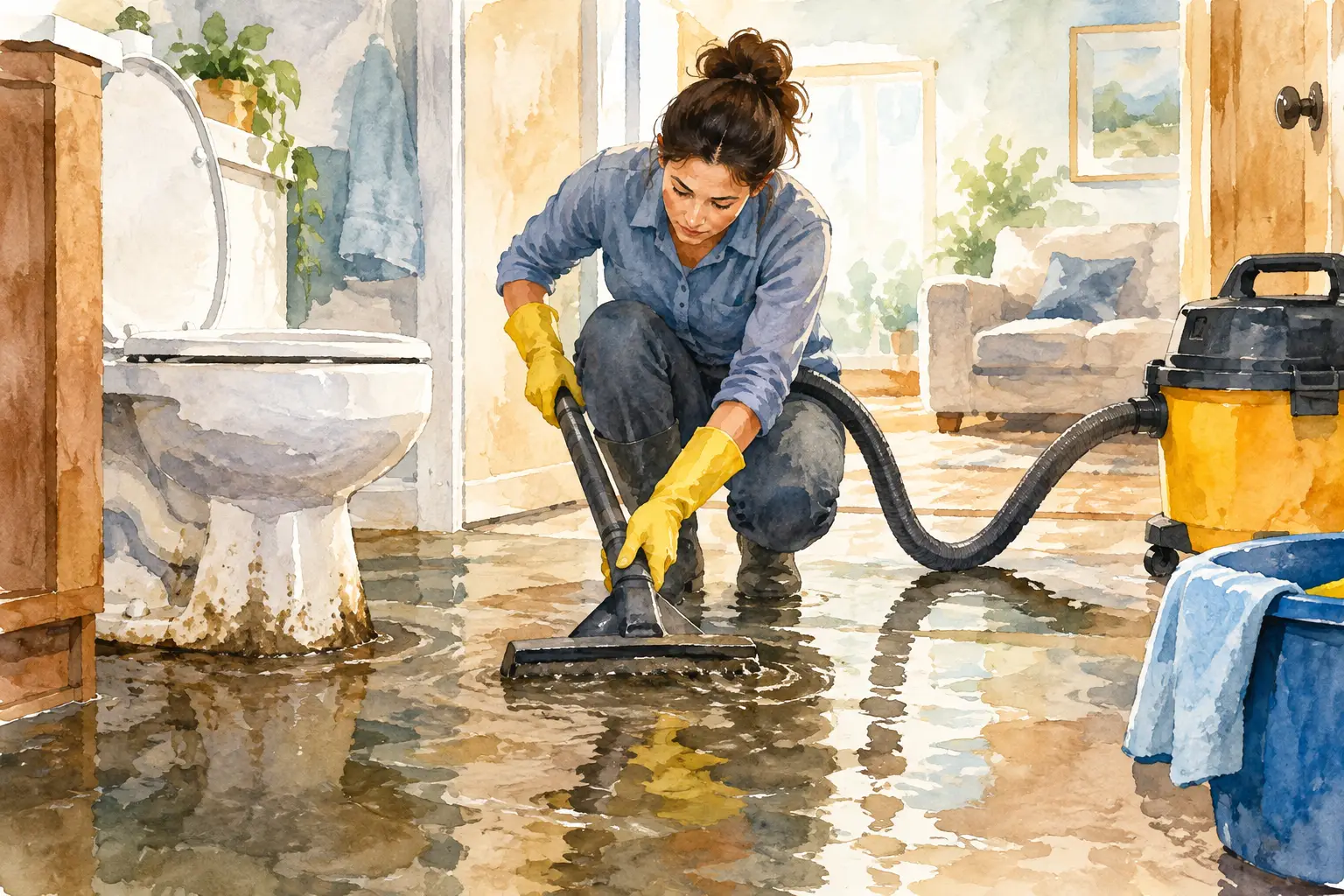
Water damage after a fire deserves immediate attention. Firefighting water can soak floors, walls, insulation, and contents, creating conditions for warping, corrosion, and mold growth. Drying is not simply placing fans in a room. It requires proper equipment, monitoring, and adjustments based on material type, moisture levels, and the building’s layout.
Mitigation may also include content packing and storage. Furniture, documents, artwork, electronics, and business assets can sometimes be moved to a controlled environment for specialized cleaning. This is especially valuable when the structure needs major repairs but personal or operational items still have a strong chance of being restored.
Restoration: Cleaning, Repairing, and Rebuilding
Restoration is where the property begins to look and function like itself again. The work can include soot removal, smoke cleaning, odor treatment, cleaning of salvageable contents, drywall and flooring replacement, painting, and reconstruction of damaged spaces.
The right cleaning method depends on the surface and the type of residue. Delicate materials, finished wood, textiles, electronics, and painted surfaces often require different approaches. A one-size-fits-all method can cause permanent damage, which is why professional fire cleanup focuses on testing, material knowledge, and controlled techniques.
Odor removal requires the same care. Covering smoke odor with fragrance does not solve the source of the problem. Smoke particles can remain in insulation, framing, HVAC components, fabrics, and other porous materials. Effective odor control may require source removal, detailed cleaning, air filtration, and targeted deodorization. The approach depends on how far smoke traveled, what materials were affected, and whether damaged materials can realistically be restored.
Reconstruction is often the final step, but it should not feel disconnected from the emergency response. A single provider that can manage both restoration and rebuilding helps prevent handoffs, missed details, and delays between phases. That continuity is particularly important for commercial properties where reopening schedules, tenant needs, and operational requirements must be managed carefully.
What Can Be Saved After Fire and Smoke Damage?
Many property owners assume that anything exposed to smoke is a total loss. Sometimes that is true, especially when materials are heavily charred, structurally compromised, or contaminated beyond safe cleaning. But many items can be recovered when they are evaluated quickly and handled correctly.
Hard surfaces, some furniture, certain clothing and textiles, documents, and electronics may be candidates for specialized restoration. The outcome depends on the severity of damage, the material involved, the type of smoke residue, and how quickly treatment begins. Heat and soot can cause corrosion in electronics over time, for example, even if a device appears undamaged on the day of the fire.
There are trade-offs. Restoring an item may be more practical and meaningful than replacement, particularly for sentimental belongings, custom materials, or business records. In other cases, replacement is the safer or more cost-effective choice. A professional assessment gives property owners the information needed to make that decision without guesswork.
Planning for a Safe Return
A restored space should do more than look clean. It should be safe, dry, free of lingering smoke contamination, and ready for normal use. Before reoccupancy, the restoration team should confirm that damaged materials have been addressed, odors have been treated at their source, and repairs meet the needs of the property.
For businesses, a safe return may require a phased reopening plan. Some operations can resume in unaffected areas while repairs continue behind containment. Others need complete restoration before employees, customers, or tenants can return. The right path depends on building conditions, safety requirements, the nature of the business, and the ability to separate restoration work from active operations.
Fire damage also creates an opportunity to improve future preparedness. Updated emergency contacts, documented equipment inventories, reviewed insurance information, and a response plan can make a major difference if another incident occurs. Commercial property leaders may also benefit from identifying critical systems and recovery priorities before an emergency disrupts them.
A fire changes a property quickly, but recovery does not have to remain uncertain. Fast action, careful documentation, and a coordinated restoration plan can protect what remains and create a practical path back to a safe home, a functioning workplace, and a restored sense of control.