
A burst pipe at 2 a.m., a kitchen fire, a flooded loading dock, or a severe storm can turn a normal day into a property emergency within minutes. Disaster preparedness gives homeowners and business leaders a clear path forward before stress, confusion, and additional damage take over. The goal is not to predict every possible event. It is to protect people first, reduce preventable loss, and make recovery more organized when an emergency occurs.
For properties across Illinois and southeastern Wisconsin, preparation must account for real regional risks: frozen pipes, heavy rain, basement flooding, wind damage, power outages, fire, sewage backups, and seasonal storms. A practical plan helps you act quickly while protecting the spaces, belongings, equipment, and routines that matter most.
Why Disaster Preparedness Starts Before the Emergency
Property damage gets worse when key decisions are delayed. Water continues moving through flooring and walls. Smoke residue settles into surfaces and HVAC systems. A damaged roof allows rain to enter. A sewer backup creates a health concern that cannot be handled like an ordinary cleaning project.
Preparation shortens the time between discovering a problem and taking the right action. It also prevents common mistakes, such as entering an unsafe area, using household fans on contaminated water, turning on electrical equipment near standing water, or throwing away items before they can be documented for an insurance claim.
For a homeowner, preparedness may mean knowing where the main water shutoff is and having a safe place for important documents. For a facility manager, it may mean maintaining an emergency vendor contact list, mapping critical utilities, and establishing a communication process for employees, tenants, customers, and ownership. The scale is different, but the purpose is the same: protect people and limit downtime.
Build a Disaster Preparedness Plan Around Your Property
A useful plan is specific to the building and the people who use it. A generic checklist can be a starting point, but it cannot tell you which equipment is most critical to a restaurant, which records a church needs to protect, or which areas of a home are most vulnerable to water intrusion.
Start by walking the property with fresh eyes. Identify potential sources of damage, including aging supply lines, roof penetrations, drainage problems, overloaded electrical areas, poorly stored chemicals, and rooms where moisture regularly collects. In commercial properties, include server rooms, mechanical spaces, inventory storage, kitchens, electrical panels, elevators, and areas where a small loss could interrupt operations.
Document the condition of the property before a loss. Current photos and videos of rooms, finishes, equipment, inventory, and valuable belongings can support an insurance claim and make restoration decisions easier. Keep copies in a secure cloud account or another location away from the property.
It is also wise to review insurance coverage before an emergency. Know the carrier, policy number, deductible, agent contact information, and any requirements for reporting a loss. Coverage varies, especially for flood events, sewer backups, mold-related damage, and business interruption. Asking questions now is far easier than sorting through policy language while water is spreading across a floor.
Know Your Shutoffs and Safety Controls
Every responsible adult in a household, and designated staff at a business, should know how to locate the main water shutoff, electrical panel, gas shutoff, and fire extinguishers. Do not attempt to operate a utility control if there is a safety concern, visible damage, a gas odor, or standing water near electrical equipment. When conditions are unsafe, evacuate and contact emergency services or the appropriate utility provider.
Label shutoffs clearly where possible. For commercial properties, keep updated utility maps and access instructions in the emergency plan. If the building relies on specialized systems, make sure the right personnel and service partners can be reached after hours.
Prepare Supplies That Support the First Hours
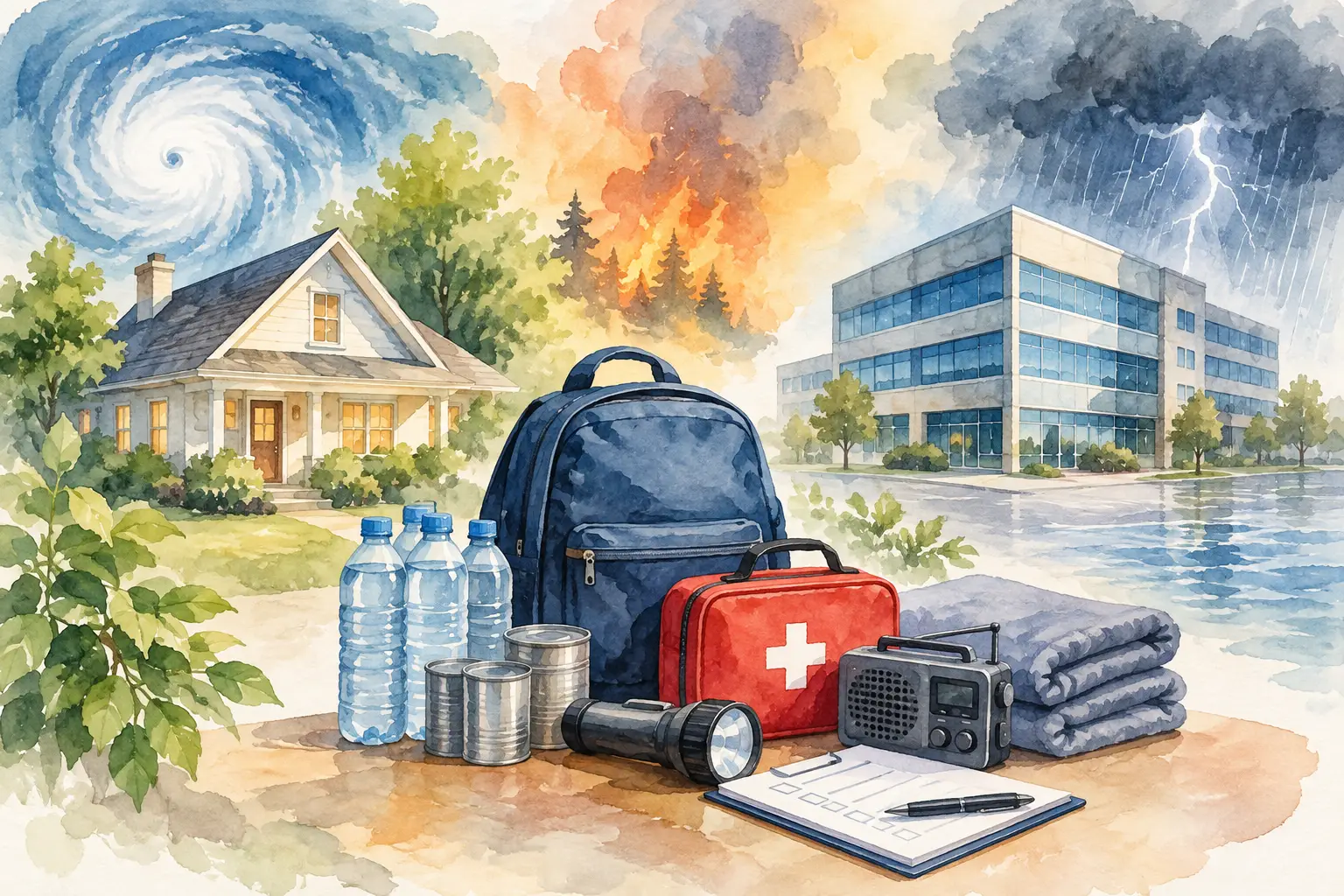
An emergency kit should address immediate safety and communication needs, not replace professional mitigation. Keep it accessible and check it at least twice a year. Useful supplies include:
- Flashlights, extra batteries, and portable phone chargers
- Bottled water, basic first-aid supplies, and necessary medications
- Work gloves, protective eyewear, and sturdy footwear
- Copies of insurance details, emergency contacts, and building information
- Plastic sheeting, towels, and containers for minor temporary protection when safe to use
Commercial locations may also need backup communication tools, emergency lighting, key access records, vendor contacts, and a current list of employees or tenants who need notification.
Create a Clear Communication Plan
During an emergency, people need direct information. Decide in advance who will make decisions, who will contact the insurance carrier, who will communicate with family members or employees, and who has authority to approve emergency work.
For a household, choose an out-of-area contact and a meeting location if family members are separated. Include pets in the plan, especially if evacuation is possible. Keep emergency numbers saved in phones and written down in case power or cellular service is unreliable.
For businesses, communication should address both safety and continuity. Employees need to know where to report, whether the site is closed, and how to receive updates. Customers, tenants, vendors, and leadership may need different information at different stages. A short, accurate message is better than speculation. Assign a primary contact and a backup so that no one is left waiting for direction.
Plan for Water, Fire, and Weather Damage
Different events require different first actions, but the first priority never changes: do not put people at risk to save property.
If water is coming from a plumbing failure and it is safe to do so, shut off the water source. Move dry items away from the affected area, but avoid entering rooms with electrical hazards or contaminated water. Category 3 water from sewage, toilet overflows, or outdoor flooding requires professional cleanup and sanitation. It can contain harmful contaminants, and porous materials may not be safe to keep.
After a fire, do not assume a property is safe simply because the flames are out. Smoke and soot can travel far beyond the burn area, while structural damage, odors, and water used for firefighting can affect the entire property. Avoid wiping soot with ordinary cleaning products, which can spread residue or cause further damage. Secure the building when permitted, document visible conditions, and arrange for a qualified restoration assessment.
Before severe weather, inspect roof areas, gutters, downspouts, windows, and exterior drainage. Bring in outdoor furniture and secure loose items. Keep trees maintained, particularly limbs that could strike a roof, power line, or vehicle. If a storm damages the exterior, temporary protection may be necessary to prevent rain from causing a second, often more extensive loss.
Use Assessment, Mitigation, and Restoration
A structured recovery process keeps an emergency manageable. First comes assessment: determining the source, scope, safety risks, affected materials, and immediate priorities. This step guides decisions about what can be saved, what needs removal, and what documentation is required.
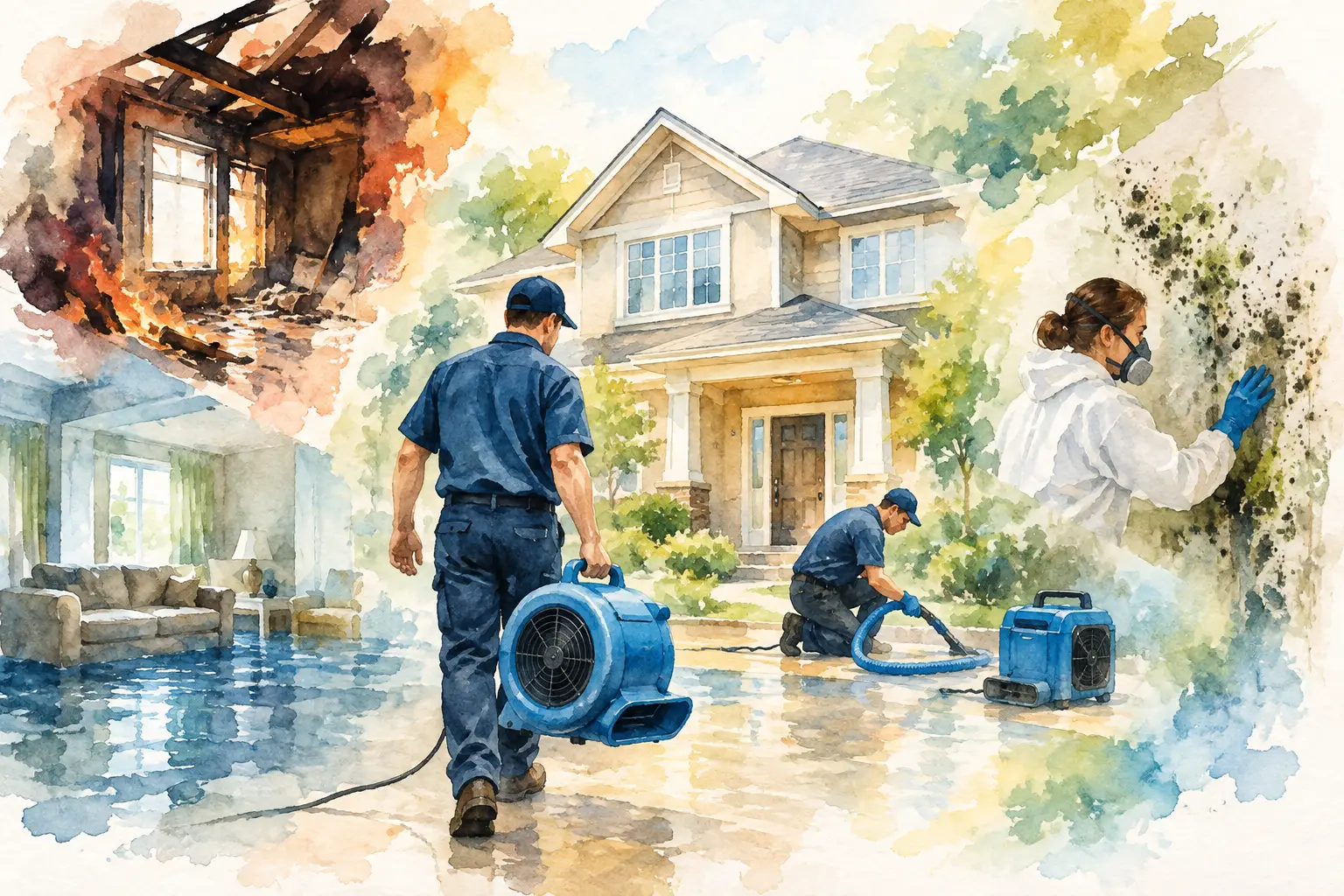
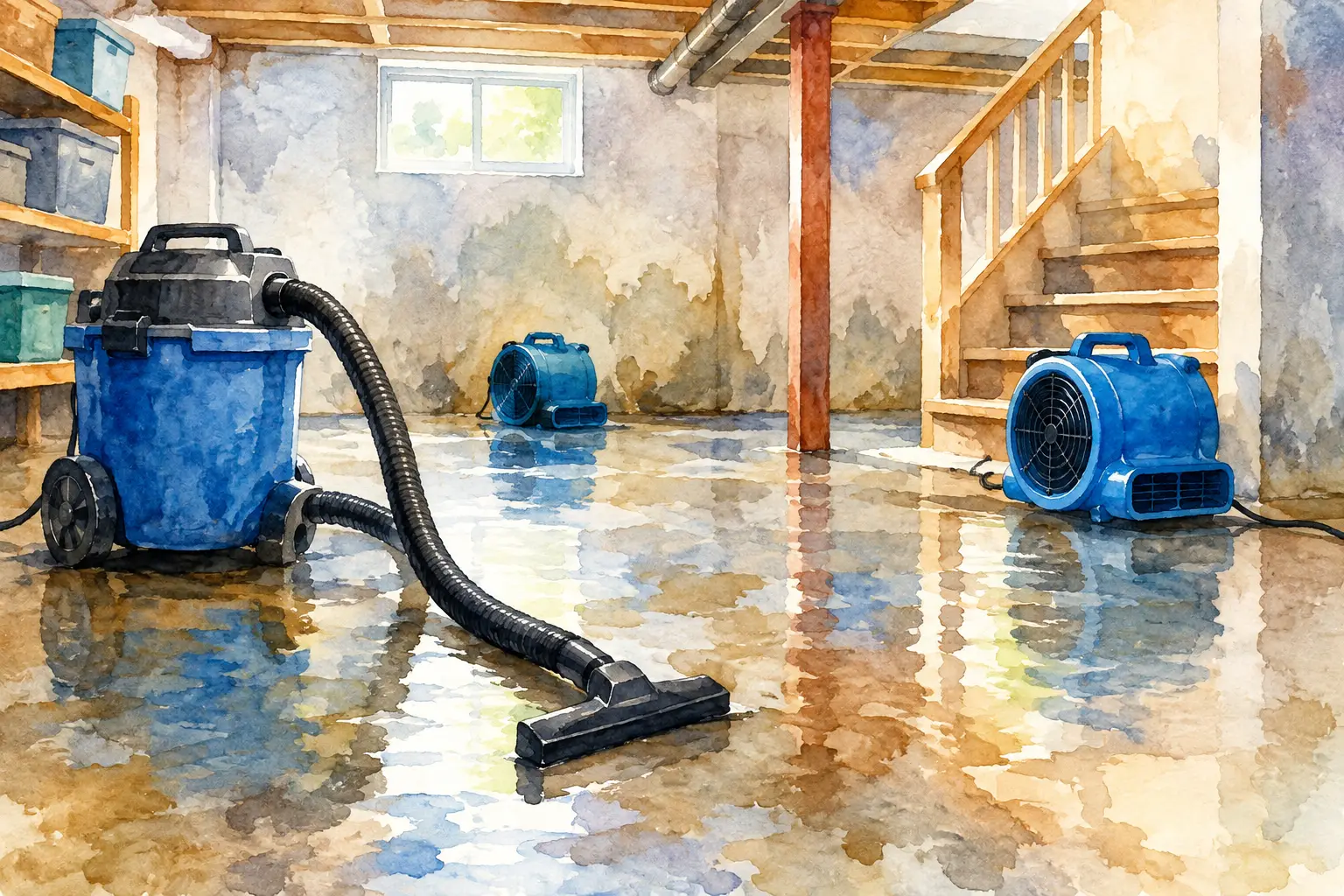
Next comes mitigation. This is the urgent work that prevents damage from spreading, such as water extraction, drying, debris removal, board-up, roof tarping, smoke cleanup, or containment of affected areas. Speed matters, but so does using the right equipment and methods for the loss.
Restoration follows once the property is stable. Depending on the event, that may include cleaning, odor control, mold remediation, repairs, reconstruction, and returning the space to its pre-loss condition. Working with one accountable provider can reduce handoffs and help homeowners and commercial decision-makers maintain a clearer view of the recovery timeline.
ServiceMaster Restore by DCS provides 24/7/365 emergency response and can manage this process from initial assessment through mitigation and reconstruction. That continuity can be especially valuable when a loss affects multiple areas of a property or threatens business operations.
Practice the Plan and Keep It Current
A preparedness plan only works if people can use it. Review it with your household, leadership team, or facility staff. Walk through simple scenarios: Who calls for help? Who shuts off water if it is safe? Where are records stored? How are employees notified? Where does the business operate if the building cannot be used?
Update the plan after renovations, staffing changes, equipment purchases, insurance changes, or any incident that reveals a weak point. Even a small water leak can teach you whether utility controls are labeled, emergency contacts are current, and critical items are stored too close to the floor.
The most reassuring time to make decisions is before anything goes wrong. Set aside an hour to identify your risks, organize your contacts, and document what matters most. If an emergency ever interrupts your home or business, that preparation can help you protect the people behind the property and begin restoring normal sooner.