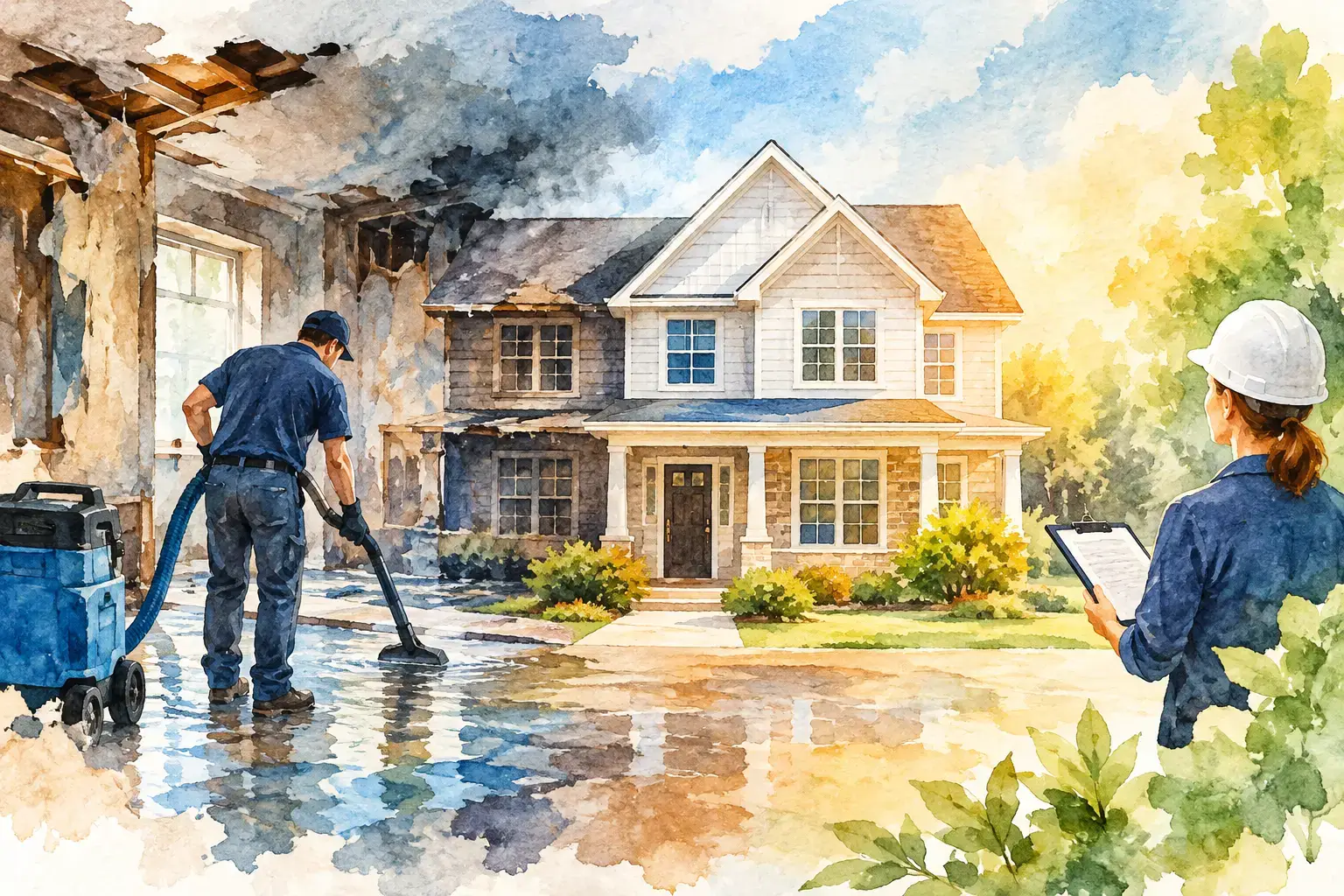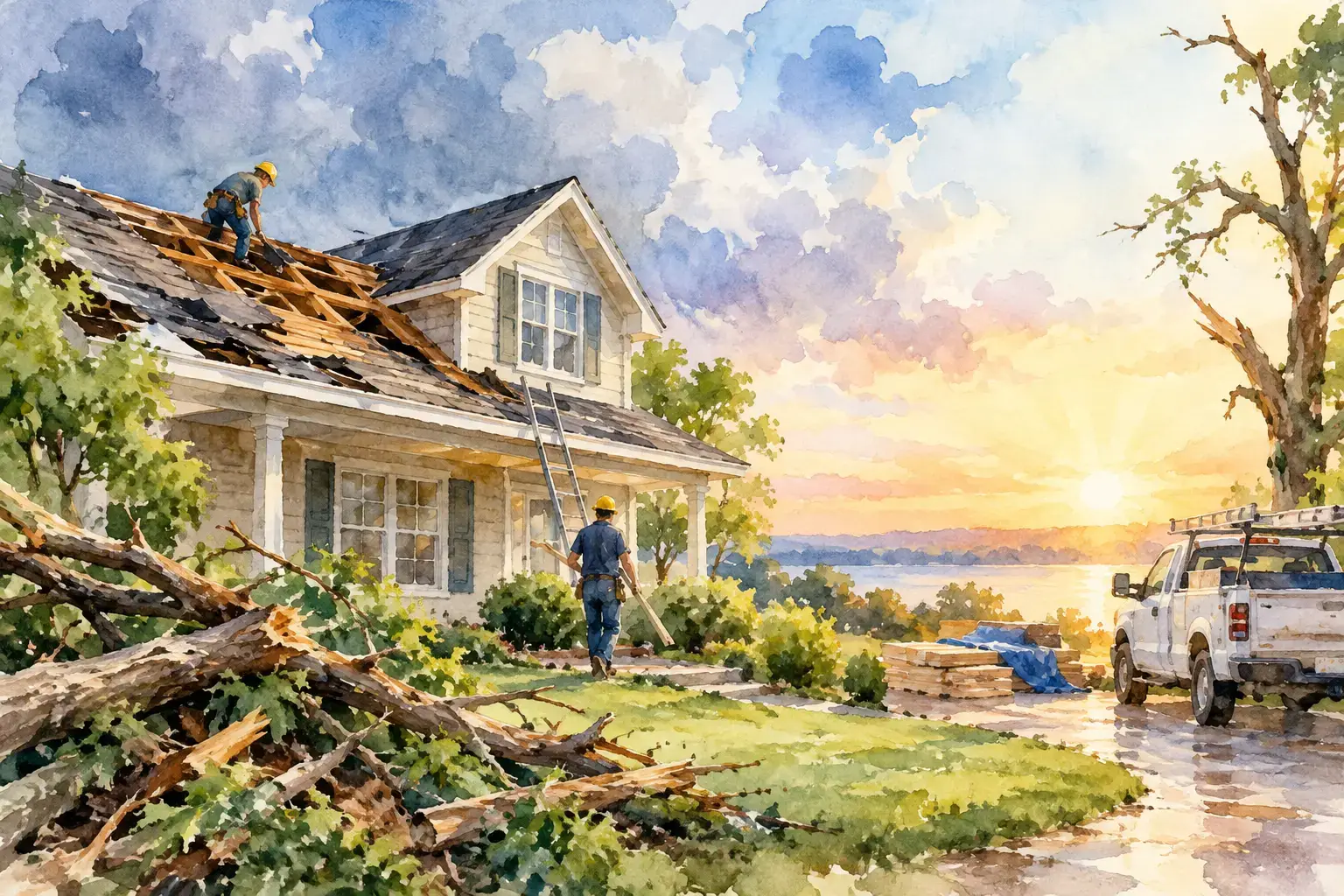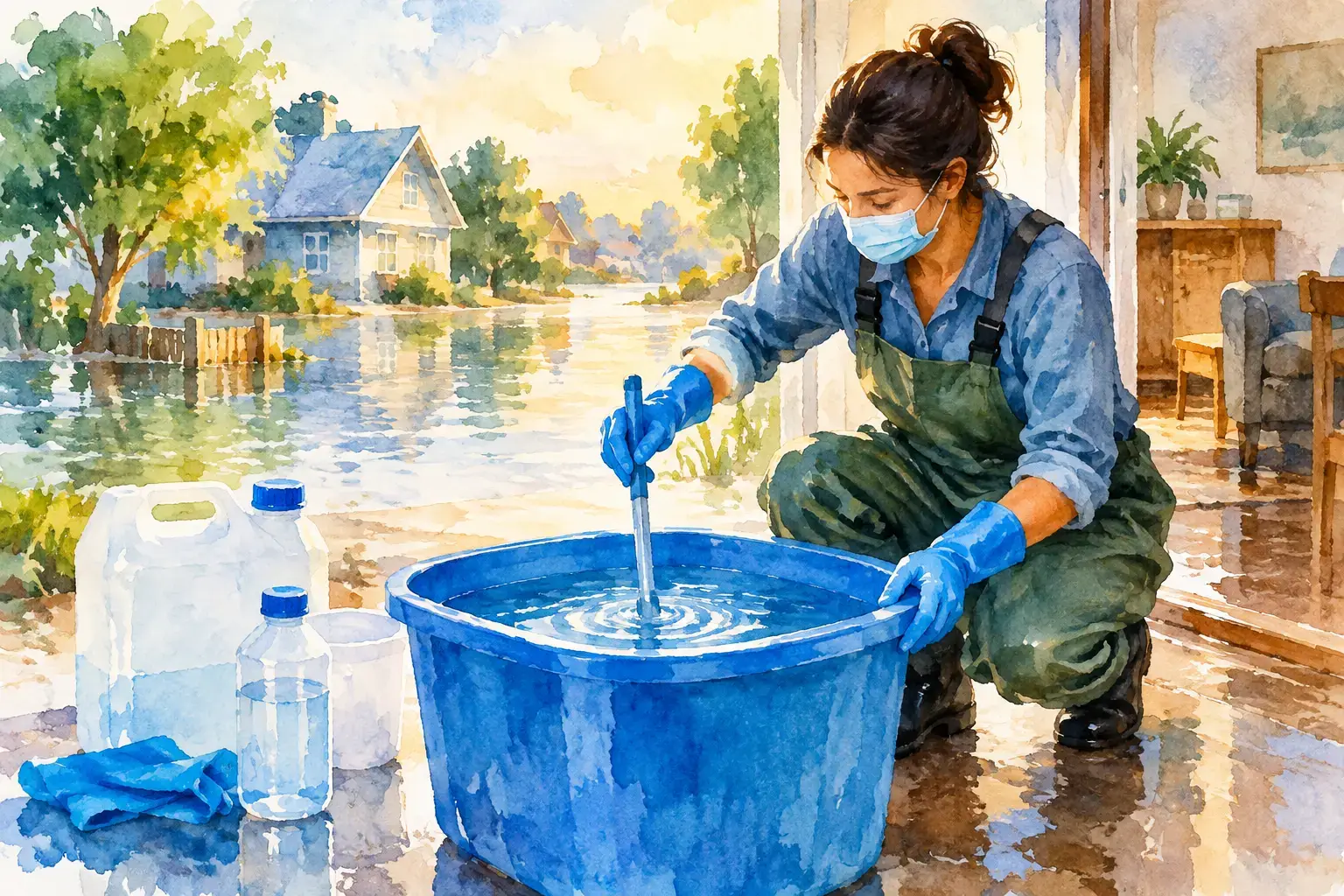

A storm can leave behind more than a visible hole in a roof or standing water in a basement. Moisture can move behind walls, soaked insulation can lose its effectiveness, and a damaged exterior can leave the property exposed to the next round of rain. Weather restoration is the organized response that protects the property now while preparing it for a safe, lasting recovery.
For homeowners, the priority may be keeping a family safe and preventing a small leak from becoming mold damage. For a business, it may mean protecting inventory, documenting the loss, and reopening without putting employees or customers at risk. In either case, fast action and a clear plan make a meaningful difference.
What Weather Restoration Covers
Weather-related damage can come from wind, heavy rain, flooding, hail, snow and ice, or fallen trees and debris. The damage is not always obvious from the ground. Wind can lift shingles without removing them completely. Rain can enter around flashing, windows, or damaged siding. Ice dams can force water beneath roofing materials and into ceilings or exterior walls.
Effective weather restoration addresses both the immediate emergency and the conditions that can cause secondary damage later. That may include emergency board-up, roof tarping, water extraction, structural drying, debris removal, contents cleaning, mold prevention, odor control, and reconstruction. The right scope depends on what happened, how long materials were exposed, and whether the building is still safe to occupy.
A restoration team should not treat storm cleanup as a cosmetic repair. Drywall, flooring, insulation, framing, electrical systems, and HVAC components may all need evaluation after water intrusion. A dry-looking room is not necessarily a dry structure.
The First Hours After Storm Damage
Safety comes first. Stay away from downed power lines, unstable trees, damaged ceilings, and standing water near electrical equipment. If there is a gas smell, active electrical hazard, major structural damage, or flooding that makes access unsafe, leave the area and contact the appropriate emergency services or utility provider.
Once the immediate danger has passed, take reasonable steps to protect the property from additional loss. Photograph visible damage before moving items when it is safe to do so. Move dry belongings away from wet areas, place containers under minor drips, and avoid walking on sagging ceilings or entering rooms with compromised floors. Do not use household fans around contaminated water or water near electrical sources.
If the roof, windows, doors, or exterior walls have been damaged, temporary protection is often urgent. A professionally installed tarp or board-up can help keep rain, wind, animals, and unauthorized entry from worsening the loss. This is especially important in Chicagoland and southeastern Wisconsin, where a damaged property may face rapidly changing conditions before permanent repairs can begin.
Avoid making permanent repairs before the damage has been properly documented and assessed, unless a repair is necessary to prevent immediate harm. Emergency mitigation and permanent reconstruction are different stages of recovery. The first protects the building. The second restores it to pre-loss condition.
A Weather Restoration Process That Creates Order
A dependable recovery process begins with assessment, moves into mitigation, and ends with restoration. Each stage has a specific purpose, and skipping one can create costly problems later.
Assessment: Find the full extent of the loss
The assessment should identify where water entered, what materials were affected, and whether the property has structural or safety concerns. Restoration professionals use moisture detection tools to check behind walls, beneath flooring, and in other areas where damage may not be visible.
For commercial properties, the assessment may also consider business-critical areas such as server rooms, kitchens, inventory storage, classrooms, sanctuaries, or tenant spaces. The goal is to create a documented plan that prioritizes safety, protects assets, and supports a practical path back to operations.
Clear documentation also helps establish the condition of the property for insurance-related needs. Photos, readings, affected-material records, and a defined scope can reduce uncertainty when decisions need to be made quickly.
Mitigation: Stop additional damage
Mitigation is where time matters most. If water has entered the building, extraction and controlled drying should begin as soon as conditions allow. Wet carpet, padding, drywall, insulation, and contents can deteriorate quickly. The longer moisture remains, the greater the risk of material damage, staining, odor, and microbial growth.
Mitigation may involve removing unsalvageable materials, setting specialized drying equipment, cleaning affected surfaces, and monitoring moisture levels until materials meet drying goals. It can also include roof tarping, temporary structural protection, debris removal, and securing openings caused by wind or impact damage.
There are trade-offs in this stage. Some materials can be dried and saved if they are addressed promptly and are structurally sound. Others, including saturated insulation, contaminated porous materials, or warped flooring, may need removal for the property to be safely restored. A responsible team explains why a material can be saved, why it cannot, and what comes next.
For a business, mitigation should also account for continuity. Work may need to be phased so unaffected areas remain usable, or the recovery plan may need to prioritize a single department, tenant suite, dining area, or production space. The safest option is not always the fastest-looking option, but a well-managed mitigation plan helps reduce unnecessary downtime.
Restoration: Rebuild with the end use in mind
Once the property is dry, clean, and stable, restoration work can begin. Depending on the damage, this may include replacing drywall and insulation, repairing roofing or siding, rebuilding damaged rooms, installing flooring, repainting, and returning affected spaces to their pre-loss condition.
Using one accountable provider from emergency response through reconstruction helps keep the project organized. The same recovery plan can guide mitigation, repair decisions, scheduling, documentation, and communication. Property owners do not have to manage separate emergency crews, cleaning vendors, and contractors while dealing with an already stressful loss.
ServiceMaster Restore by DCS provides this end-to-end approach with a Restore Team on Call 24/7/365, helping residential and commercial customers move from damage control to a restored property with a clear point of contact throughout the process.
Weather Restoration for Homes and Businesses
The recovery priorities differ by property type. At a home, preservation of personal belongings, safe living conditions, and preventing further structural damage are usually central. At a commercial property, the response may also involve tenant communication, inventory protection, equipment recovery, regulatory considerations, and a plan for reopening.
A restaurant with roof damage, for example, may need to protect food-service areas and determine whether water affected equipment or finished surfaces. A warehouse may need to separate wet inventory from unaffected stock and assess loading areas before resuming operations. A property manager may need a coordinated plan across multiple units, common areas, and residents.
The restoration work should reflect those realities. A one-size-fits-all response can create delays, especially when a property has complex operations or multiple stakeholders.
Insurance Documentation Without Added Confusion
Insurance claims often require prompt notice, detailed records, and reasonable efforts to prevent additional damage. Keep photos, videos, receipts, and notes about when the storm occurred and when damage was discovered. If emergency work is performed, retain records of the services and the materials used to protect the property.
A restoration partner familiar with insurance-related documentation can help organize the details of the loss. That does not replace the insurer’s role in determining coverage, but it can make the recovery process easier to follow and provide useful support as the claim progresses.
When weather damages your property, do not wait for a small leak, damp ceiling, or broken exterior opening to become a larger recovery project. Protect the space, document what you can safely document, and bring in qualified help to restore what matters most.