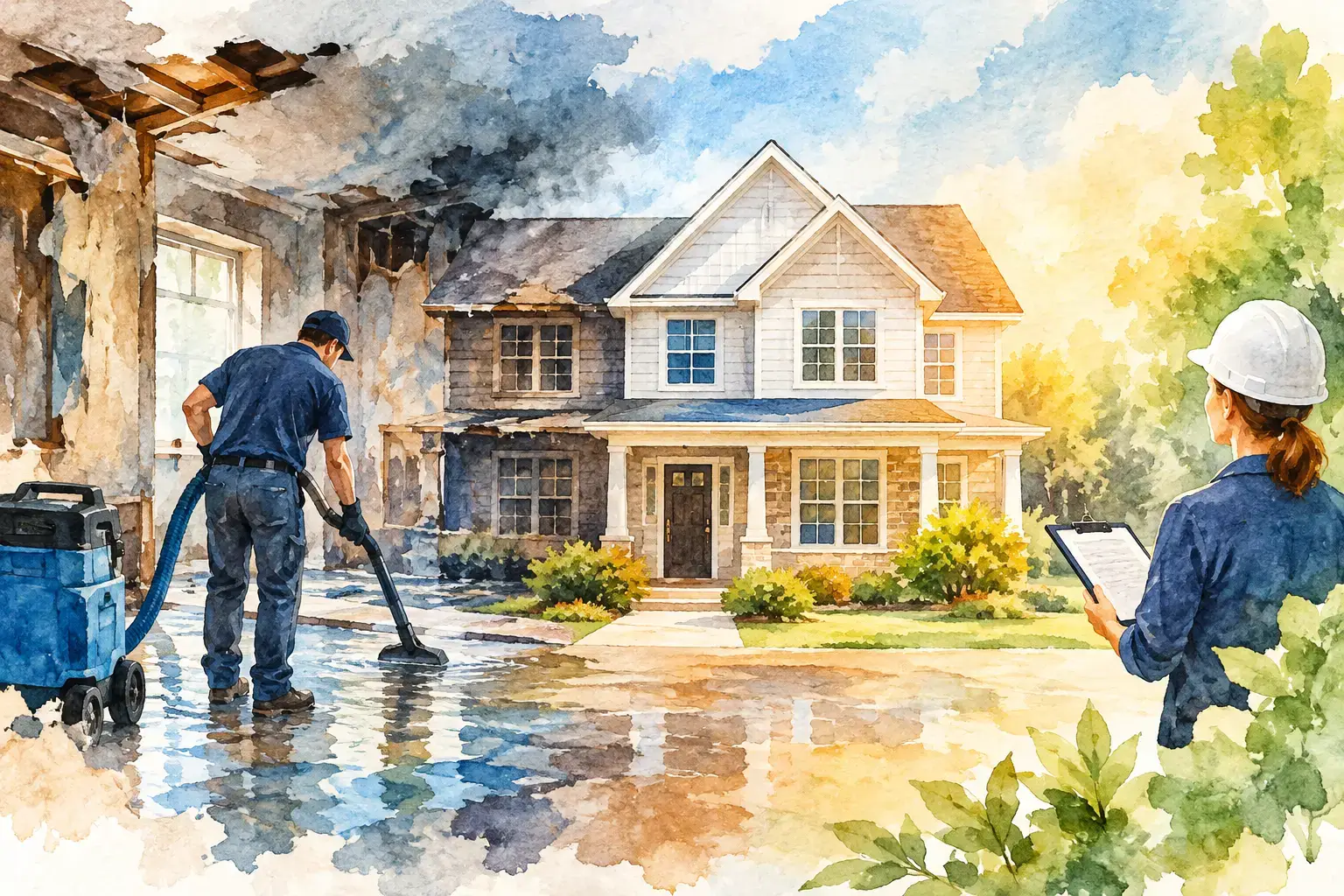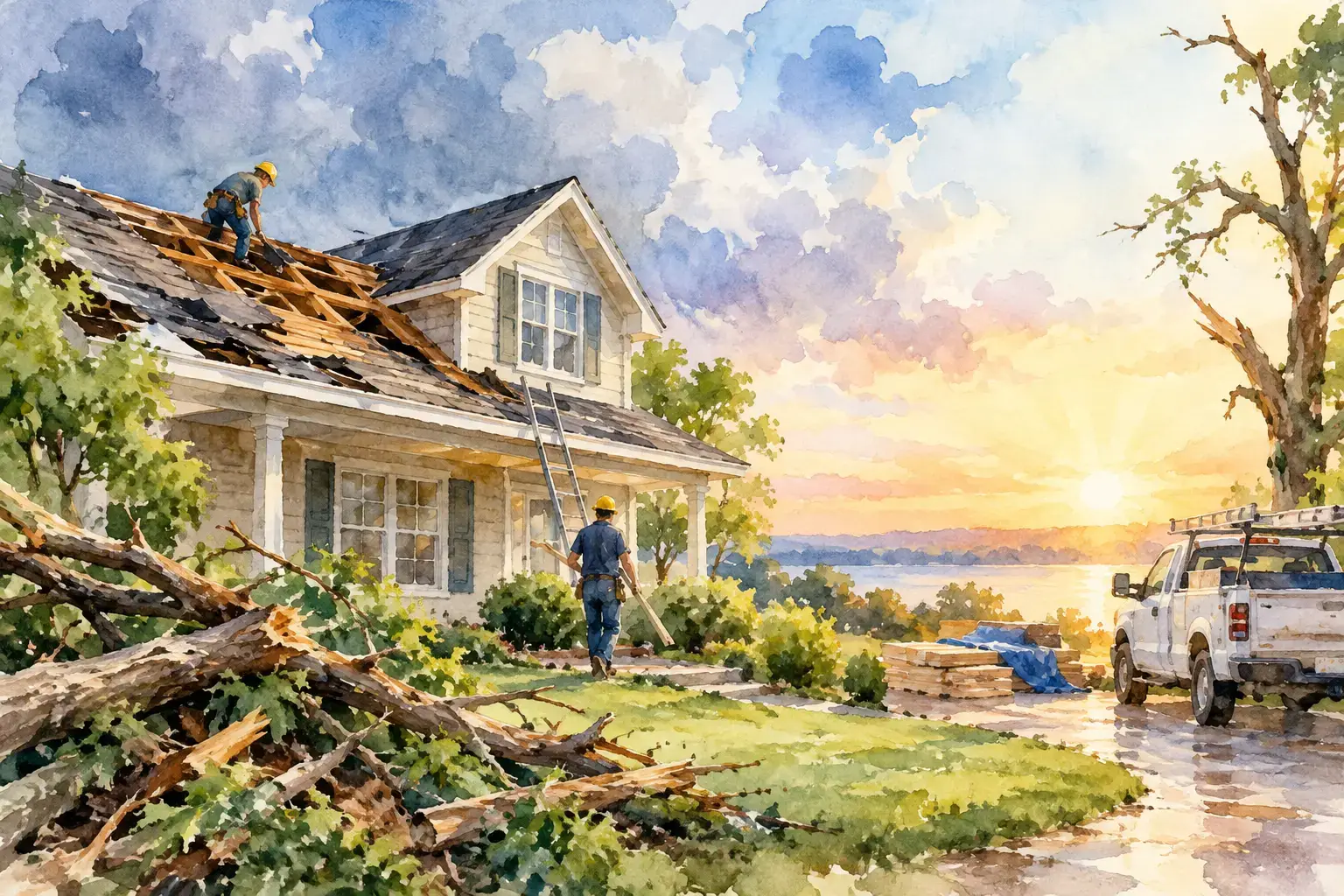
A burst pipe at 2 a.m. A kitchen fire that leaves smoke in every room. Wind-driven rain entering a roofline during a Midwest storm. Property restoration begins at the point where ordinary life or business operations are interrupted, and the right response can limit the damage that follows.
For homeowners, that may mean protecting family belongings and making a home safe again. For a facility manager or business owner, it can mean controlling downtime, documenting conditions, and reopening without cutting corners. The work is not simply about cleaning what is visible. It is a structured process to stabilize the property, address hidden damage, and restore the space to its pre-loss condition.
Property Restoration Starts With Control
Property damage tends to get worse when it is left unaddressed. Water can move beneath flooring, into wall cavities, and through insulation. Smoke residue can travel through HVAC systems and settle in rooms far from the original fire. A sewage backup creates sanitation concerns that require more than surface cleaning. Mold can develop when moisture remains in place long enough for growth to begin.
That is why the first priority is control. A qualified restoration team identifies the source of damage, stops or isolates it when possible, and takes steps to prevent additional loss. Depending on the situation, that can include extracting standing water, boarding up broken openings, placing roof tarps, setting containment barriers, removing damaged materials, or securing the property after a fire.
Speed matters, but fast work should still be deliberate. Removing wet materials before documenting affected areas may complicate an insurance claim. Drying a structure without checking moisture levels can leave water behind walls or under floors. The best response is both urgent and organized.
The Three Stages of a Successful Recovery
Every loss is different, but effective property restoration follows a clear path: assessment, mitigation, and restoration. This approach gives property owners a better understanding of what is happening, what decisions are needed, and what comes next.
1. Assessment: Understanding the Full Scope
The visible damage is only part of the picture. During an assessment, restoration professionals inspect the affected area, identify safety issues, document conditions, and determine how far the damage has traveled. In a water loss, that may involve moisture readings behind baseboards or beneath flooring. After a fire, it can include evaluating soot patterns, odor migration, and damage to contents and building systems.
For commercial properties, assessment should also consider operational priorities. A restaurant may need to protect food service areas and equipment. A warehouse may need to separate affected inventory from unaffected stock. A church, school, or office may need a plan that keeps parts of the building accessible while recovery work continues elsewhere.
Clear documentation is valuable at this stage. Photos, measurements, drying records, and a detailed scope of work help create accountability and support communication with insurers, property managers, and other stakeholders.
2. Mitigation: Preventing Further Damage
Mitigation is the work that keeps a manageable loss from becoming a larger one. It may involve water extraction, structural drying, debris removal, soot cleanup, mold containment, odor treatment, or temporary protection from weather. The specific methods depend on the cause of loss and the materials affected.
A flooded basement, for example, may require pumping, removal of wet contents, antimicrobial treatment where appropriate, and carefully monitored drying equipment. A fire-damaged building may need emergency board-up, removal of charred debris, cleaning of smoke residue, and protection of salvageable belongings before reconstruction begins.
This phase is often disruptive, particularly when equipment is running or damaged finishes must be removed. Still, it is where much of the long-term protection happens. Proper drying helps reduce the chance of secondary mold growth. Proper containment helps prevent contaminants from spreading. Proper cleaning protects surfaces and contents that may otherwise be replaced unnecessarily.
3. Restoration: Rebuilding the Space and Routine
Once the property is clean, dry, stable, and safe, restoration shifts toward putting it back together. That may range from reinstalling drywall and flooring to reconstructing major portions of a home or commercial building. The goal is not merely to close up the affected area. It is to return the property to a functional, finished condition.
This is where an end-to-end provider offers a practical advantage. Coordinating separate mitigation crews, cleaners, contractors, and specialty vendors can slow a project and create gaps in communication. A single accountable team can manage the handoff from emergency response through reconstruction, helping keep the work organized from the first call to the final walkthrough.
ServiceMaster Restore by DCS provides this kind of coordinated recovery for residential and commercial properties across Illinois and southeastern Wisconsin, with a Restore Team on Call 24/7/365.
Different Types of Damage Require Different Responses
The phrase property restoration covers a broad range of services, but the correct response depends on what happened. Water from a clean supply line is handled differently than a sewage backup. Mold remediation requires containment and controlled removal practices. Fire and smoke damage can affect structural materials, air quality, contents, and odor long after flames are out.
Weather losses bring their own complications. Storm damage can expose a building to rain, wind, and temperature changes at the same time. Immediate temporary protection may be necessary before a permanent repair plan can begin. In Chicagoland and throughout southeastern Wisconsin, freeze events, heavy rain, wind, and seasonal storms can create damage that demands prompt action.
Hoarding and clutter cleanup also requires a different approach. These projects often involve health and safety concerns as well as sensitive personal circumstances. A respectful, methodical team can help restore safe access and usable living conditions while treating the situation with care.
The trade-off is simple: a quick, one-size-fits-all cleanup may look adequate at first, but it can overlook contamination, trapped moisture, odors, or damaged building materials. The right scope should match the actual conditions of the property.
What Property Owners Should Do Before Help Arrives
After calling for professional help, property owners can take a few sensible steps if conditions are safe. Safety always comes first. Do not enter standing water near electrical hazards, walk through areas with structural instability, or attempt to clean sewage or extensive smoke damage without proper protection.
If you can do so safely, take photos or video of the affected areas before moving items. Move dry, undamaged belongings away from the affected space. Shut off the water supply for an active plumbing leak if you know where the valve is located. Keep records of conversations, emergency expenses, and damaged items for insurance purposes.
Avoid using household fans on sewage-affected areas or suspected mold growth, as this can spread contaminants. Do not use electrical appliances in wet spaces. And do not assume that a room is dry simply because carpet or flooring feels dry on the surface.
Recovery Is Also About Communication
Property restoration is easier to manage when expectations are clear. Homeowners need to know what work is being done, how long drying may take, and when reconstruction can begin. Commercial decision-makers need updates they can share with tenants, employees, customers, leadership teams, and insurers.
A dependable restoration partner communicates the scope of work, documents progress, and explains decisions in plain language. That does not mean every project follows an identical timeline. Material availability, permit requirements, the extent of damage, and insurance approvals can affect reconstruction. It does mean the process should remain visible and organized rather than leaving property owners to guess what happens next.
When damage disrupts your home, workplace, or facility, the next step does not have to feel uncertain. Acting quickly, protecting the space, and choosing a team equipped to carry recovery through to completion can help restore what matters most.