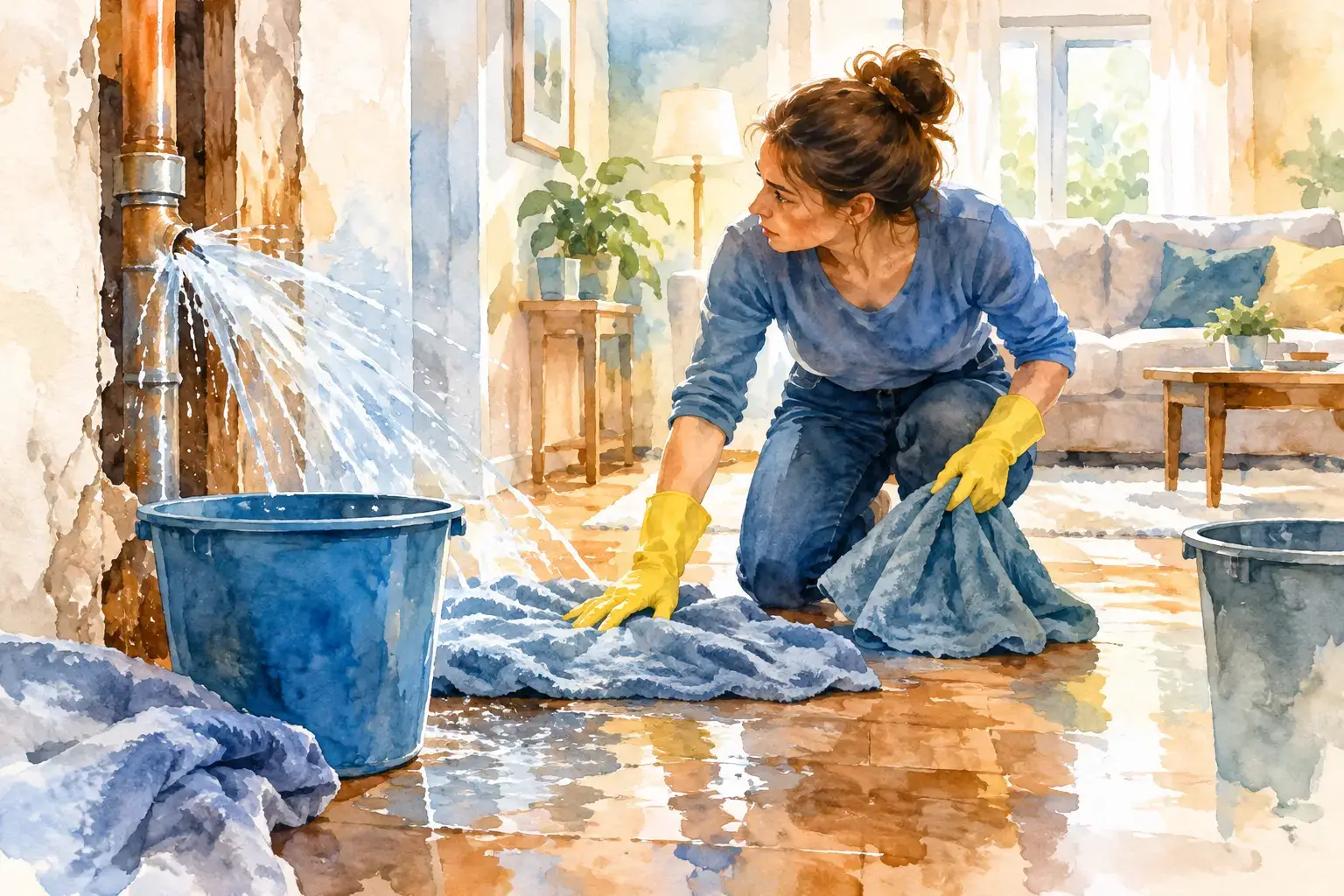
A burst pipe can turn a finished basement, office suite, restaurant kitchen, or warehouse aisle into a water emergency within minutes. Effective pipe burst cleanup starts with stopping the water, protecting people and property, and moving quickly before moisture travels into floors, walls, insulation, and stored contents.
For homeowners, the disruption can feel immediate and personal. For commercial property decision-makers, every hour can affect tenants, inventory, safety, and business operations. The right response brings order to a difficult situation: assess the damage, mitigate further loss, and restore the property with a clear plan.
First, Stop the Water and Protect the Area
If it is safe to do so, shut off the main water supply or the nearest isolation valve. Every property owner and facility manager should know where the main shutoff is located before an emergency happens. In older homes and larger commercial buildings, the valve may be in a mechanical room, utility closet, basement, or near the water meter.
Turn off electricity to affected areas if water is near outlets, appliances, electrical panels, or wiring. Do not walk through standing water where an electrical hazard may be present. If the ceiling is sagging, keep people out of the room. Water can collect above drywall and ceiling tiles, creating a collapse risk.
Move accessible furniture, electronics, files, merchandise, and personal belongings away from the affected area. Do not spend valuable time trying to save every item while water is still flowing. Stop the source first, then focus on protecting what can be safely moved.
Why Pipe Burst Cleanup Cannot Wait
Visible water is only part of the problem. Water follows gravity, but it also moves sideways through flooring, behind baseboards, under cabinets, and into wall cavities. A pipe break on an upper floor can affect ceilings, insulation, and rooms below before anyone notices the full extent of the loss.
The longer materials remain wet, the more likely they are to swell, warp, delaminate, stain, or deteriorate. Hardwood flooring may cup. Drywall can lose structural integrity. Carpet padding can hold moisture long after the surface feels dry. In commercial spaces, moisture can reach inventory, equipment, documents, or building systems that are expensive to replace.
Mold growth is also a concern when wet materials are not properly dried. It does not take a major flood for this to become a problem. Moisture trapped in concealed areas can support microbial growth even after the visible surface appears dry. Fast, measured drying is not simply about appearance. It helps protect the building and the people who use it.
What Professional Pipe Burst Cleanup Includes
A restoration response should do more than remove water with a vacuum. The work begins with a detailed assessment of the source, the type of water involved, the affected materials, and the extent of moisture migration.
Assessment and Documentation
A trained restoration team identifies all affected areas, including spaces that may not look damaged at first. Moisture meters, thermal imaging, and humidity readings help locate water behind walls, beneath flooring, and in structural materials. This documentation provides a clearer picture of the loss and can support insurance communication.
The source of the pipe break also matters. Clean water from a supply line is handled differently than water that has mixed with sewage, chemicals, or other contaminants. If the water is contaminated, cleanup requires additional controls, protective equipment, and disinfection procedures to help protect occupants.
Water Removal and Damage Containment
Once the area is evaluated, crews remove standing water and extract moisture from carpet, padding, flooring, and other affected materials. Depending on the loss, some materials may be dried in place while others must be removed because they cannot be reliably restored.
Containment is especially important in large buildings and occupied properties. It helps isolate the damaged area, reduce disruption to unaffected spaces, and support safer work around tenants, customers, employees, or residents. In a restaurant or healthcare-related facility, that control can be essential to maintaining safe operations elsewhere in the building.
Structural Drying and Monitoring
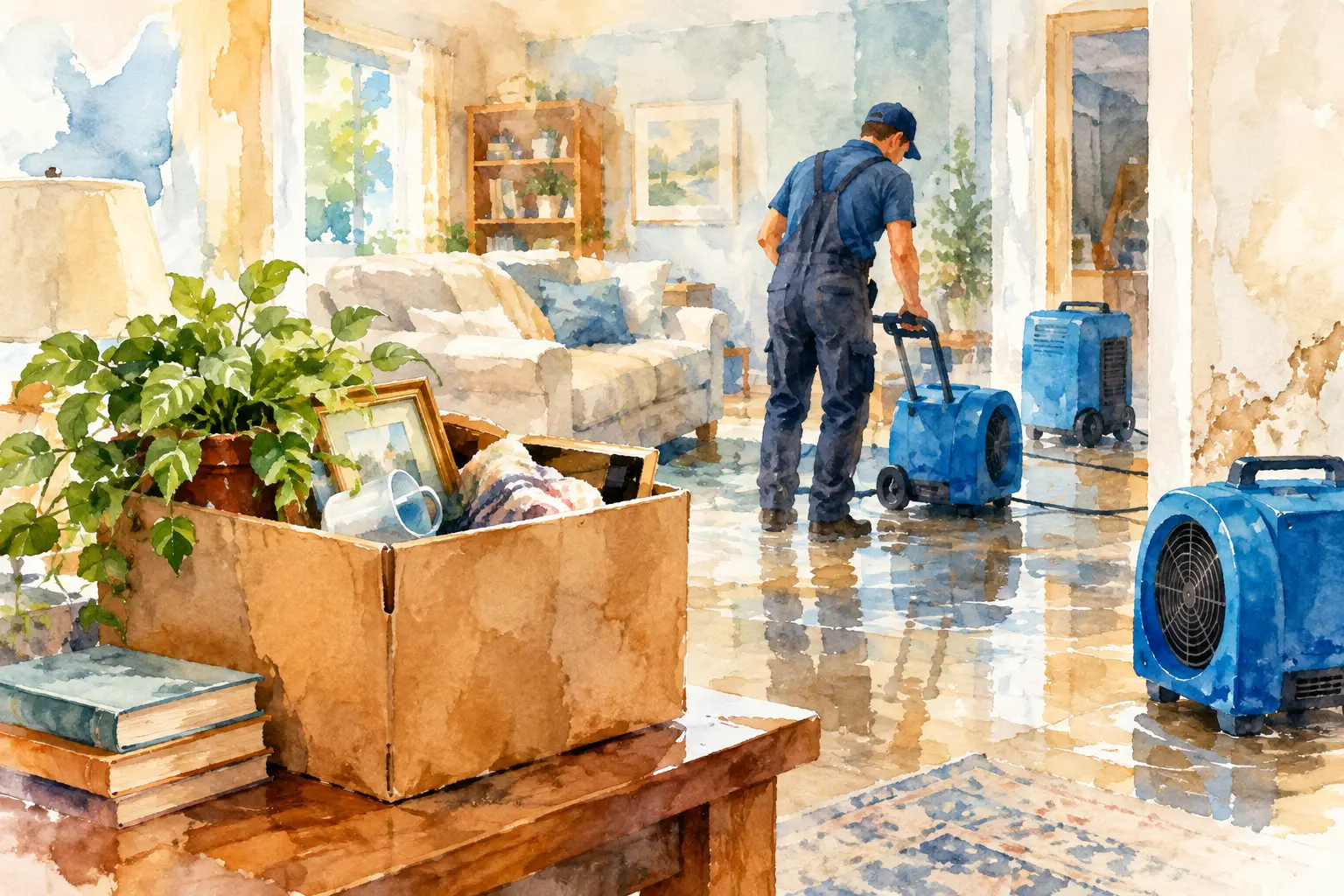
Drying equipment is placed based on the actual conditions of the property, not guesswork. Air movers, dehumidifiers, and specialty drying equipment work together to remove moisture from materials and the air. The goal is to return affected materials to an appropriate drying standard without causing unnecessary demolition.
Technicians should monitor the drying process regularly. Conditions change as water evaporates, and equipment may need adjustment to keep the process moving efficiently. Documentation of moisture levels provides confidence that the property is being dried thoroughly, not merely made to look dry.
Cleaning, Repairs, and Reconstruction
After drying, affected surfaces and contents may need cleaning, odor control, sanitizing, or specialty restoration. Then comes the rebuilding work: drywall repair, flooring replacement, painting, cabinet repair, and other construction needed to return the space to pre-loss condition.
Using one accountable provider for mitigation and reconstruction helps reduce handoffs and confusion. Instead of coordinating separate emergency responders, cleaners, and contractors, property owners can work through one organized recovery process.
Common Mistakes After a Pipe Burst
The pressure to act quickly can lead to decisions that create more damage. Avoid using household fans without addressing humidity and hidden moisture. Fans may dry a surface while pushing humid air into other parts of the building. Do not assume a carpet, wall, or wood floor is dry because it no longer feels wet to the touch.
It is also risky to delay action while waiting for a plumber, insurer, landlord, or building representative to make every decision. A plumber is essential for repairing the broken pipe, but plumbing repair alone does not address the water that has already entered the structure. Damage mitigation should begin as soon as the source is controlled.
For commercial properties, avoid reopening affected areas before they have been evaluated for slip hazards, electrical concerns, contaminated materials, or compromised ceilings. A fast reopening is valuable, but reopening safely protects people and prevents a larger interruption later.
Insurance and Records: Keep the Recovery Organized
Take photos and short videos of the affected areas before extensive cleanup begins, as long as doing so is safe. Record the date and time the leak was discovered, the apparent source, and the steps taken to stop additional damage. Keep receipts for emergency repairs, temporary protective measures, and damaged items.
Most policies expect policyholders to take reasonable steps to prevent further loss. That often includes shutting off water, arranging emergency mitigation, and protecting unaffected belongings. Coverage varies by policy and cause of loss, so it is wise to contact the insurance carrier promptly and ask what documentation they need.
A professional restoration company can help organize damage records, moisture documentation, and the scope of work. This does not replace the insurer’s decision-making process, but clear documentation can make a stressful claim easier to understand and manage.
Prepare Before the Next Freeze or Failure
Burst pipes are common during freezing weather, but they can happen year-round due to corrosion, failed fittings, excessive water pressure, aging appliances, or accidental damage during construction. Prevention starts with insulation in vulnerable areas, maintaining appropriate indoor temperatures, repairing small leaks promptly, and knowing where shutoff valves are located.
Commercial property managers should also identify who has authority to shut off water, contact emergency vendors, communicate with tenants, and make decisions after hours. A written response plan can reduce downtime when a pipe fails overnight, on a weekend, or during severe weather.
When water is spreading through your property, the immediate goal is simple: protect people, stop additional damage, and get experienced help in place. ServiceMaster Restore by DCS provides 24/7/365 response to help homeowners and businesses move from emergency conditions toward a safe, restored space. Acting early gives your property the best chance to recover with less disruption and greater peace of mind.