A burst pipe at 2 a.m. or a roof leak during a storm does not wait for an insurance decision. Water continues moving, materials continue absorbing moisture, and a small loss can become a much larger restoration project within hours. Who pays for emergency mitigation depends on the cause of the damage, the property’s insurance coverage, and the ownership or lease agreement, but the immediate priority is stopping additional damage.
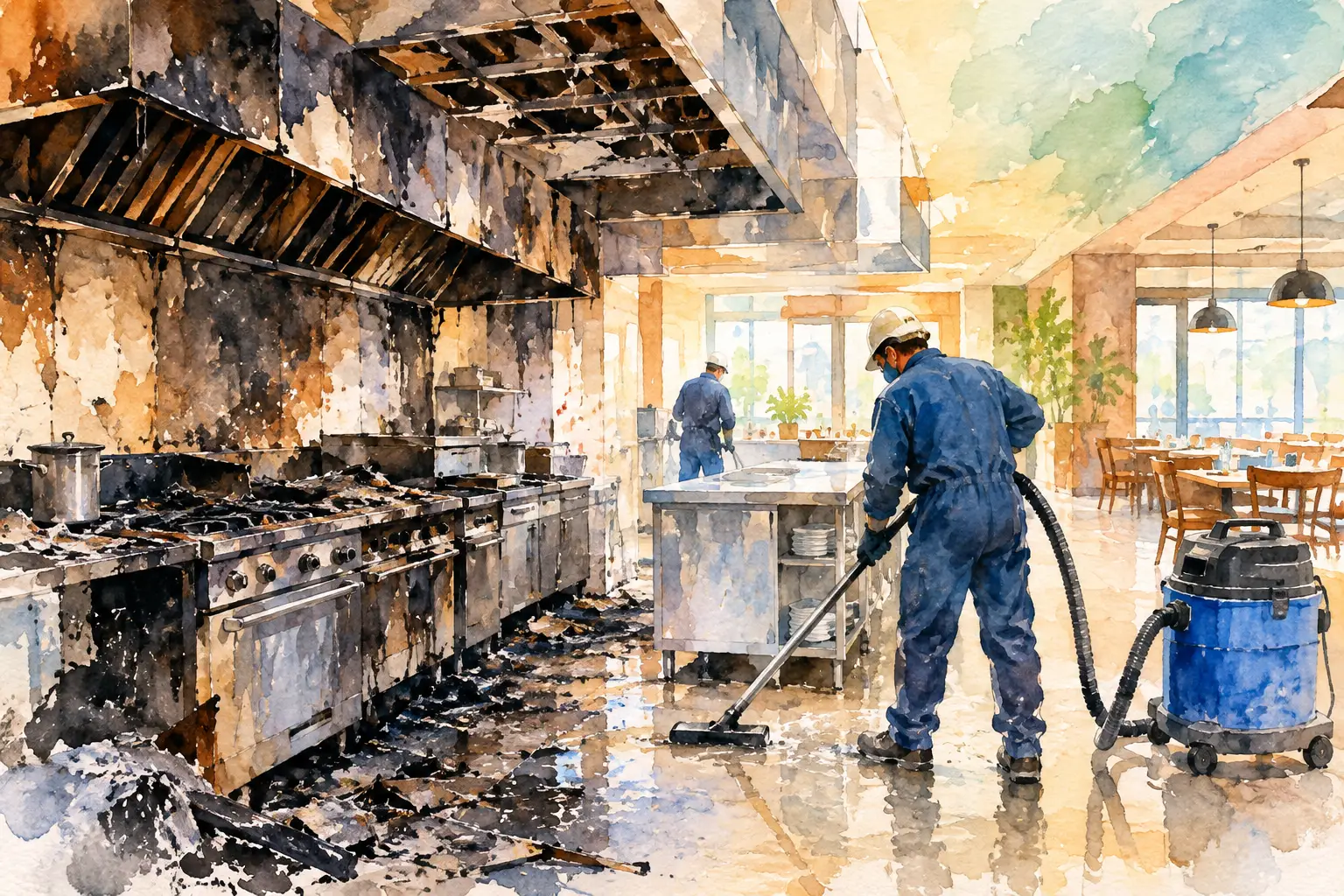
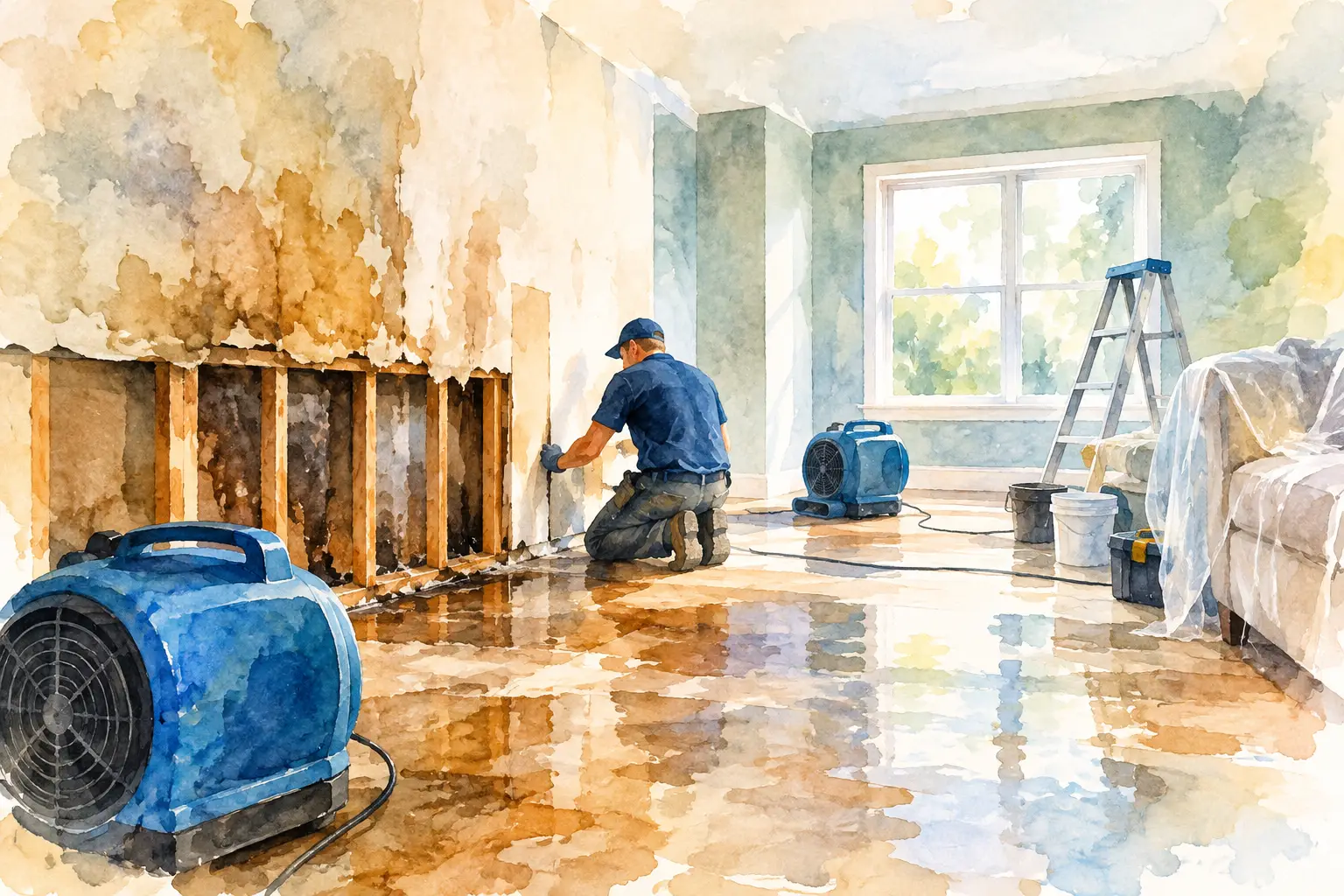
Emergency mitigation is the work that protects a property after a loss: extracting water, securing an opening in the roof, removing damaged materials, setting drying equipment, cleaning up sewage, or addressing smoke residue. It is not optional cosmetic work. It is the first line of defense against mold growth, structural damage, unsafe conditions, and extended business interruption.
Who Pays for Emergency Mitigation?
In many covered losses, the property insurance policy pays for reasonable and necessary mitigation. Homeowners insurance may cover emergency water extraction after a sudden pipe break, for example, while commercial property insurance may cover board-up, drying, and cleanup after a covered fire or storm event.
That does not always mean the insurance company pays a restoration contractor directly on day one. The property owner is generally responsible for authorizing emergency work and may be responsible for the deductible, excluded costs, depreciation, or any portion of the claim that is not covered. Insurance payment timing also varies by carrier, policy, claim circumstances, and documentation requirements.
The practical answer is this: act promptly to prevent further damage, document the loss, contact the insurer, and work with a mitigation provider that understands the claims process. Waiting for an adjuster before taking basic protective action can make the loss worse and may create questions about whether reasonable steps were taken to protect the property.
What Insurance Typically Covers
Most property policies require the insured to take reasonable measures to protect the building and contents from further damage after a covered event. Emergency mitigation expenses often fall under that obligation when the underlying cause of loss is covered.
For a homeowner, a sudden and accidental plumbing failure may trigger coverage for water mitigation, including extraction, drying, removal of unsalvageable wet materials, and moisture monitoring. If a fire damages a kitchen, the policy may cover emergency board-up, water cleanup from firefighting efforts, smoke cleaning, and odor control. After wind damages a roof, temporary protection may be covered to keep rain from entering the building.
Commercial policies may address similar emergency services, along with larger-scale needs such as protecting inventory, cleaning affected equipment, stabilizing a facility, and reducing downtime. Businesses may also have coverage for business personal property and business income losses, subject to policy terms.
Coverage is never automatic. The policy language, the source of the loss, endorsements, limits, exclusions, and deductible determine what the carrier will approve. A restoration professional can provide clear mitigation documentation, but only the insurer can make a final coverage decision.
The deductible still matters
The deductible is usually the property owner’s out-of-pocket responsibility before insurance funds apply. If emergency mitigation costs $8,000 and the deductible is $2,500, the owner may be responsible for that first $2,500, assuming the loss is otherwise covered.
For smaller losses, the cost of mitigation and repairs may not exceed the deductible. In that situation, filing a claim may not make financial sense, but delaying cleanup still does not. A professional assessment gives the owner a clearer picture of the scope before damage spreads.
Exclusions can change the answer
Not every cause of damage is covered under a standard policy. Floodwater from an overflowing river or surface water typically requires separate flood insurance. Sewer or drain backup may require a specific endorsement. Gradual leaks, deferred maintenance, wear and tear, and pre-existing mold may be limited or excluded.
Even when the original cause is not covered, immediate mitigation may still be necessary for health, safety, and property preservation. In those cases, the owner may need to pay directly and then explore whether another responsible party, warranty provider, or insurance policy applies.
When Someone Else May Be Responsible
The person who pays initially and the party ultimately responsible are not always the same. Responsibility can shift based on the property type and cause of loss.
In a rental home or apartment, a tenant may be responsible for personal belongings through renters insurance, while the landlord’s policy generally addresses the building itself. If the tenant caused the damage through negligence, the landlord may seek reimbursement. If a maintenance failure caused the loss, the landlord or property management company may be responsible for mitigation to the building.
In a condominium, the association’s governing documents and master policy help determine where responsibility begins and ends. The association may cover common elements, while the unit owner may be responsible for interior finishes, upgrades, and contents. Water losses that travel between units can involve several policies and parties.
For commercial tenants, the lease is critical. A lease may assign certain maintenance duties, insurance requirements, deductibles, and restoration obligations to either the tenant or landlord. Facility managers should review these terms before an emergency occurs, especially for locations with valuable equipment, inventory, or operations that cannot be paused for long.
If a contractor, neighboring property owner, utility provider, or another party caused the damage, their liability insurance may eventually be involved. Do not delay necessary mitigation while liability is investigated. Protect the property first, preserve evidence, and allow the insurance and legal process to determine reimbursement later.
Why Fast Mitigation Protects Your Claim
Emergency mitigation is often less expensive than the damage it prevents. A clean-water leak can become a mold concern if moisture remains behind walls or under flooring. A broken window after a storm can allow additional rain, pests, and unauthorized entry. Smoke residue can become harder to remove when it is left untreated.
Insurance carriers commonly expect reasonable loss-prevention efforts. Keep photos and video of the damage before major cleanup begins, save damaged materials when practical, retain invoices, and record conversations with the insurer. A detailed mitigation team also documents moisture readings, affected materials, equipment placement, daily monitoring, and completed work.
This record helps show why the work was needed and how it protected the property. It can also help distinguish damage from the current event from conditions that may have existed before the loss.
The Right First Steps After Property Damage
Safety comes first. Leave the property and call emergency services if there is fire, a gas odor, structural instability, standing water near electrical hazards, or sewage contamination. Do not enter an unsafe area to take pictures or move belongings.
Once the area is safe, stop the source if possible. Shut off the main water supply after a plumbing failure, place a container under a small active leak only if it is safe, or arrange emergency roof protection after storm damage. Then notify your insurer and request guidance on opening a claim.
Next, call an experienced restoration provider. The initial assessment should identify the source, affected materials, moisture migration, safety concerns, and the actions needed to prevent the loss from expanding. For commercial properties, it should also consider access, operational priorities, inventory protection, and the path to reopening.
ServiceMaster Restore by DCS provides a coordinated response from assessment and emergency mitigation through cleaning, restoration, and reconstruction. That continuity can reduce confusion when a property owner is already managing insurance calls, family needs, tenants, employees, or disrupted operations.
Questions to Ask Before Approving Mitigation Work
During an emergency, it is reasonable to ask how the provider will document the damage, what work must begin immediately, and what portion may be handled after insurer review. Ask for an explanation of the authorization form, anticipated scope, billing process, and how updates will be communicated.
You should also ask whether the team will coordinate with your adjuster, provide photos and drying records, and identify potential coverage concerns without making coverage promises. A dependable restoration partner will explain the work in plain language and keep the process organized.
No one plans for a flooded basement, a kitchen fire, or a storm-damaged roof. But acting quickly, documenting carefully, and understanding your policy can protect what matters most while the payment details are sorted out. When damage threatens your home or business, the right next step is to stabilize the property before a manageable emergency becomes a larger loss.