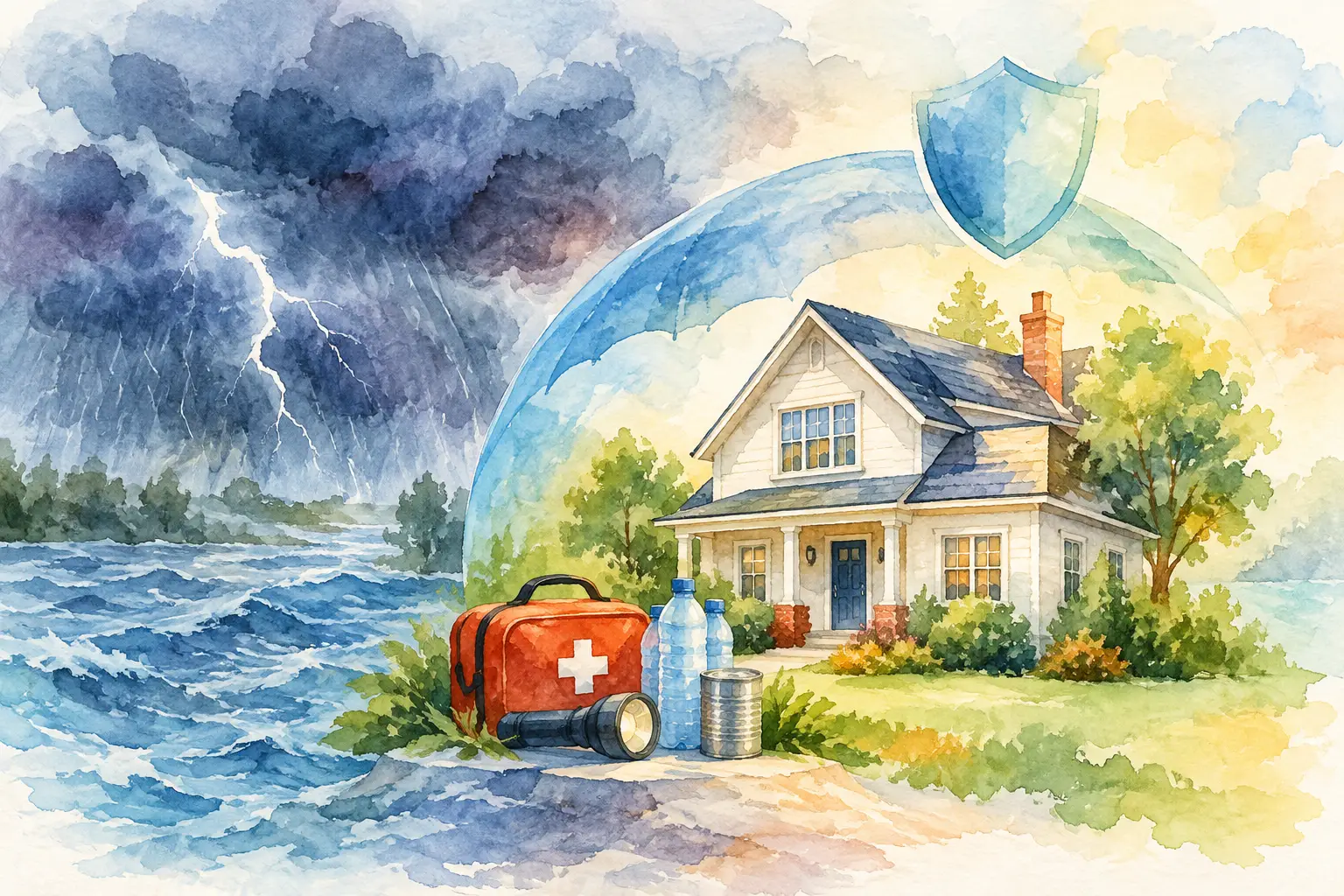
A burst pipe can soak insulation and flooring long after the visible puddle is removed. Smoke can travel well beyond the room where a fire began. After a storm, a small opening in a roof can expose a building to days of additional moisture. Emergency mitigation is the work that stops that damage from spreading while a property recovery plan takes shape.
For homeowners, that may mean protecting family belongings and preventing mold growth. For a facility manager or business owner, it can mean keeping a loss from becoming a prolonged closure. The first hours matter because water, soot, odors, contamination, and structural exposure do not wait for a convenient time to get worse.
What Emergency Mitigation Means
Emergency mitigation is not the same as a full restoration or reconstruction project. Mitigation focuses on immediate stabilization: making the property safer, limiting further damage, documenting conditions, and preserving as much of the structure and its contents as possible.
Restoration follows after the source of damage is controlled and affected materials have been evaluated. Depending on the loss, restoration can include cleaning, deodorizing, repairs, replacement of damaged materials, and rebuilding. Keeping these phases distinct helps property owners understand what needs to happen now versus what can be planned once the emergency is under control.
The exact response depends on the type of loss. A clean-water supply line leak requires a different approach than a sewage backup. Fire damage may require board-up and odor control before cleaning can begin. Wind damage may call for roof tarping, temporary protection, and moisture management inside the building. A qualified restoration team assesses the conditions before selecting the equipment, cleaning methods, and containment measures needed.
Why Fast Emergency Mitigation Changes the Outcome
Property damage is often progressive. Water migrates into drywall, subfloors, cabinets, and insulation. Humidity can remain trapped in wall cavities even when surfaces feel dry. Soot particles settle into textiles and HVAC systems. A damaged opening in the building envelope allows rain, wind, pests, and temperature extremes indoors.
Prompt action can reduce the number of materials that need replacement and help protect items with sentimental, operational, or financial value. It may also shorten the interruption for businesses that need to reopen, relocate operations, or keep critical services running.
Speed alone is not enough. An incomplete response can create new problems. For example, drying equipment placed without proper assessment may miss hidden moisture. Removing materials before documenting the loss can complicate insurance discussions. Entering a fire-damaged building without confirming structural safety can put people at risk. The goal is controlled, informed action – not simply moving as fast as possible.
The first priority is safety
Before cleanup begins, make sure everyone is safe. Leave the building and contact emergency services if there is a fire risk, gas odor, electrical hazard, unstable structure, or standing water near electrical equipment. Do not enter areas contaminated by sewage or affected by significant smoke without appropriate protection.
If it is safe to do so, stop the source of damage. Shut off the main water supply for an active plumbing leak, move undamaged belongings away from the affected area, or place containers beneath a minor roof drip. Avoid using household fans on contaminated water or attempting major demolition without professional guidance. Those actions can spread contaminants or cause hidden damage to be overlooked.
The Assessment, Mitigation, and Restoration Process
A dependable recovery process begins with a clear assessment and continues through mitigation and restoration. This structure gives property owners visibility into what happened, what must happen next, and how the work supports a return to pre-loss condition.
Assessment: identify the full scope
The visible damage is only part of the picture. During an assessment, restoration professionals identify the source of loss, determine whether conditions are safe, inspect affected materials, and look for damage that may be hidden behind walls, under flooring, above ceilings, or inside mechanical systems.
For water losses, this often includes moisture detection and classification of the water source. For fires, it can include evaluating soot spread, smoke odor, and areas that require temporary structural protection. For commercial properties, the assessment should also account for business-critical spaces, equipment, inventory, tenant responsibilities, and the practical requirements for resuming operations.
Documentation is a central part of this stage. Photos, measurements, moisture readings, inventories, and written observations create a record of conditions before work changes the site. This information helps guide the recovery plan and can support communication with insurance representatives.
Mitigation: stop secondary damage
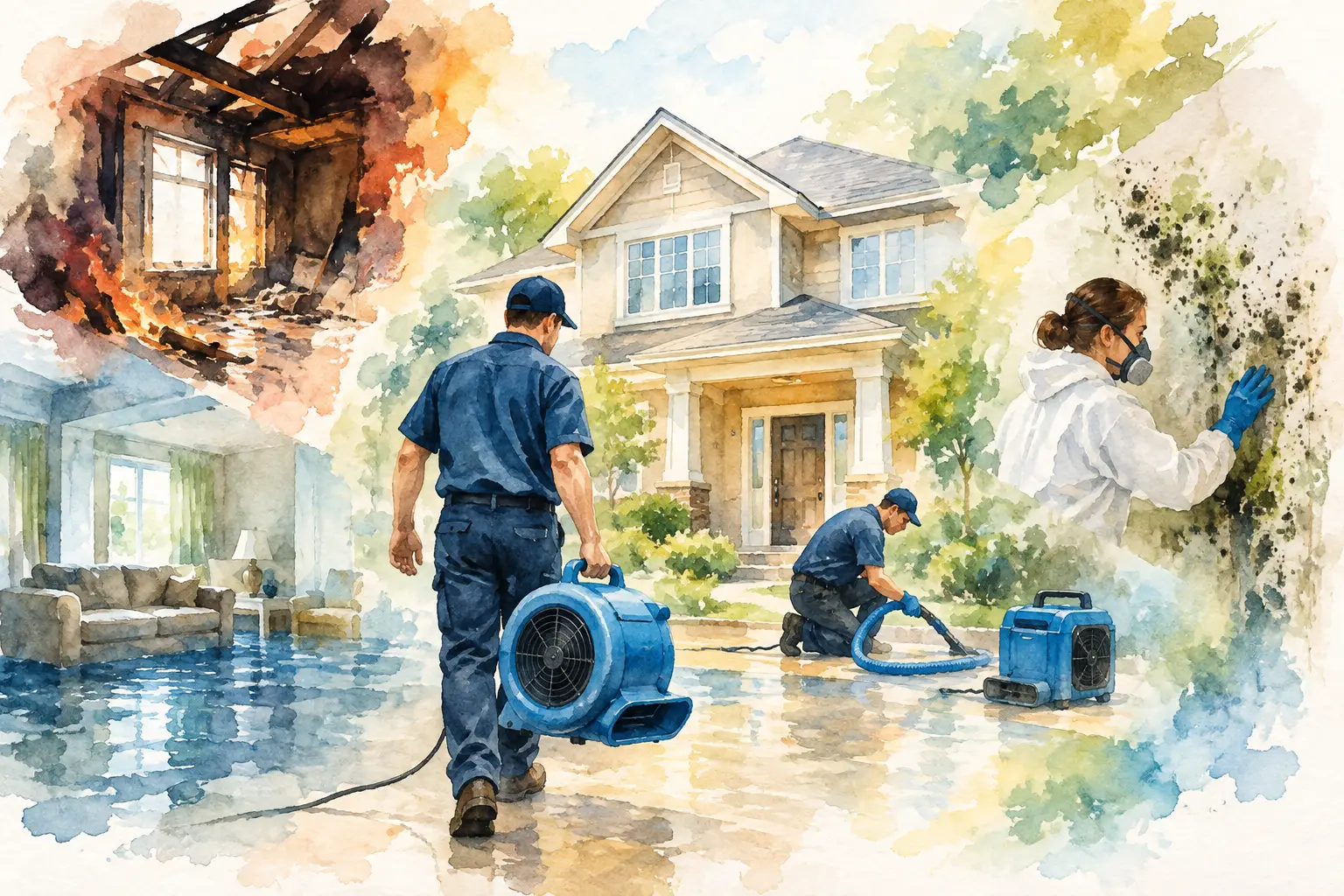
Once the situation is understood, mitigation work begins. The necessary services vary, but may include water extraction, structural drying, sewage cleanup, board-up, roof tarping, smoke and soot cleaning, odor control, mold containment, or removal of unsalvageable materials.
Containment is especially important when contaminants, mold, soot, or dust could spread into unaffected areas. In a home, this protects bedrooms, living spaces, and personal belongings. In a commercial environment, it may protect occupied offices, food-service areas, inventory, patient or guest spaces, and operational equipment.
Mitigation also includes protecting contents. Furniture, documents, electronics, machinery, and inventory may need to be moved, cleaned, dried, or packed out for specialized treatment. Not every item can be saved, but early evaluation provides the best chance to preserve what matters.
Restoration: return the property to use
After the immediate threat has been controlled, restoration addresses what is needed to bring the property back. That may range from replacing a section of drywall and flooring to managing a larger reconstruction project after extensive fire, water, or weather damage.
Using one accountable provider across mitigation and reconstruction can reduce handoffs and confusion. The same recovery plan can carry forward from the initial assessment into cleaning, repairs, and rebuilding. For property owners already managing disruption, insurance questions, and daily responsibilities, that continuity makes a meaningful difference.
Common Situations That Need Immediate Attention
Some losses look urgent because the damage is obvious. Others are easy to underestimate. Water from a broken pipe, appliance failure, overflowing fixture, or roof leak should be addressed quickly, even if the affected area appears small. Sewage backups require professional cleaning because contaminated water can pose health risks and affect porous materials.
After a fire, do not assume the damage is limited to burned materials. Smoke and soot can affect adjacent rooms, ductwork, furnishings, and surfaces throughout the property. Following wind, hail, or severe storms, temporary roof and exterior protection can prevent interior water intrusion while permanent repairs are arranged.
Mold also warrants a measured response. A small, isolated issue may have a different scope than growth tied to an ongoing moisture source or a larger building-system problem. The priority is identifying and correcting the moisture condition, then containing and removing affected materials as appropriate. Simply cleaning visible growth without addressing the cause invites it to return.
What Property Owners Can Do While Help Is on the Way
After calling for professional assistance, focus on a few safe actions. Keep people and pets out of hazardous areas. Take photos or video of visible damage if conditions allow. Move dry, valuable items away from the affected space, but do not handle contaminated belongings without proper protection. Keep records of emergency expenses and any communication related to the loss.
For commercial properties, notify the people responsible for safety, operations, facilities, and insurance reporting. If the building must remain partially open, establish clear boundaries around affected areas and communicate any changes to access, services, or operating hours. A restoration partner can help prioritize spaces based on safety and business continuity needs.
Avoid throwing away damaged materials before they are documented unless they present an immediate health or safety hazard. Also avoid using electrical equipment in wet areas, running HVAC systems after heavy smoke exposure, or trying to dry significant water damage with only household equipment. These choices can make the loss harder to manage.
Preparedness Makes Emergency Mitigation More Effective
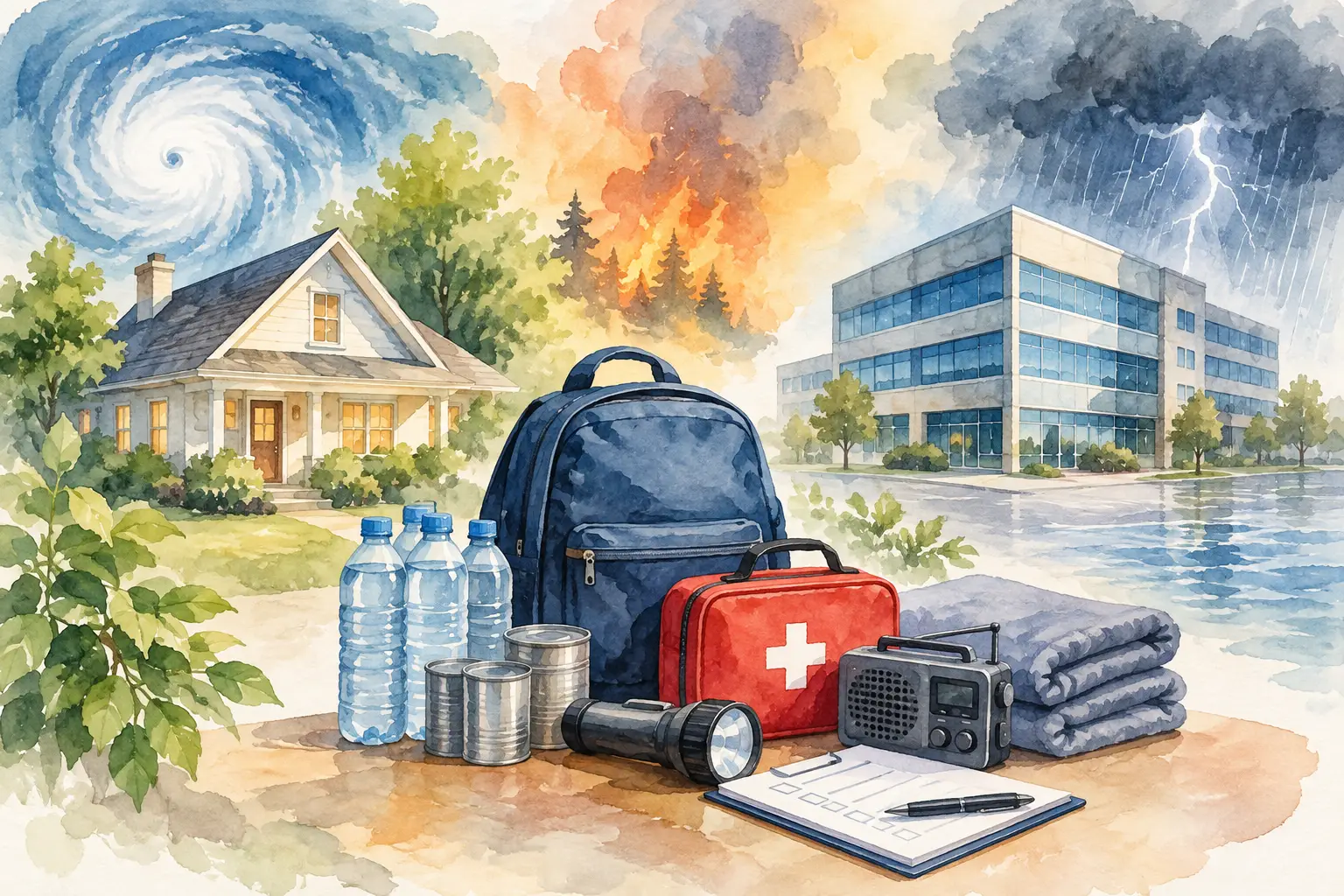
No one plans for a pipe to break at midnight or a storm to damage a roof over a weekend. Still, basic preparation can make the first response more organized. Homeowners should know where the main water shutoff is located, keep important insurance information accessible, and maintain a simple inventory of high-value belongings.
Commercial property leaders benefit from a documented emergency plan that identifies decision-makers, after-hours contacts, utility shutoffs, critical equipment, vendor access procedures, and priorities for keeping operations running. The plan should be reviewed after renovations, staffing changes, or changes to building use.
When damage occurs, a calm, experienced response protects more than building materials. It protects routines, revenue, records, belongings, and the confidence that recovery is moving in the right direction. ServiceMaster Restore by DCS provides 24/7/365 support to help property owners across Illinois and southeastern Wisconsin take the next right step – assess the loss, limit further damage, and begin restoring what matters most.