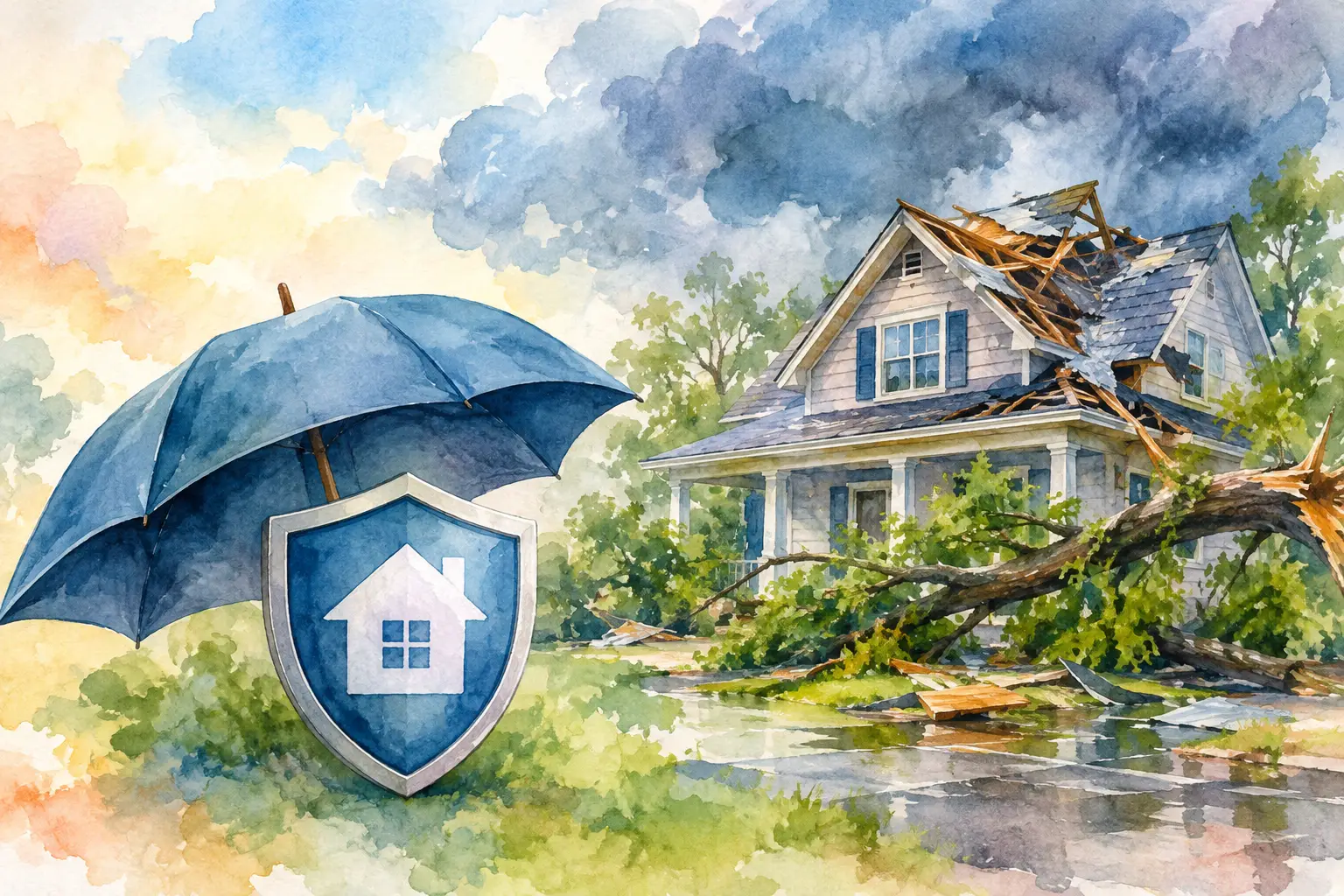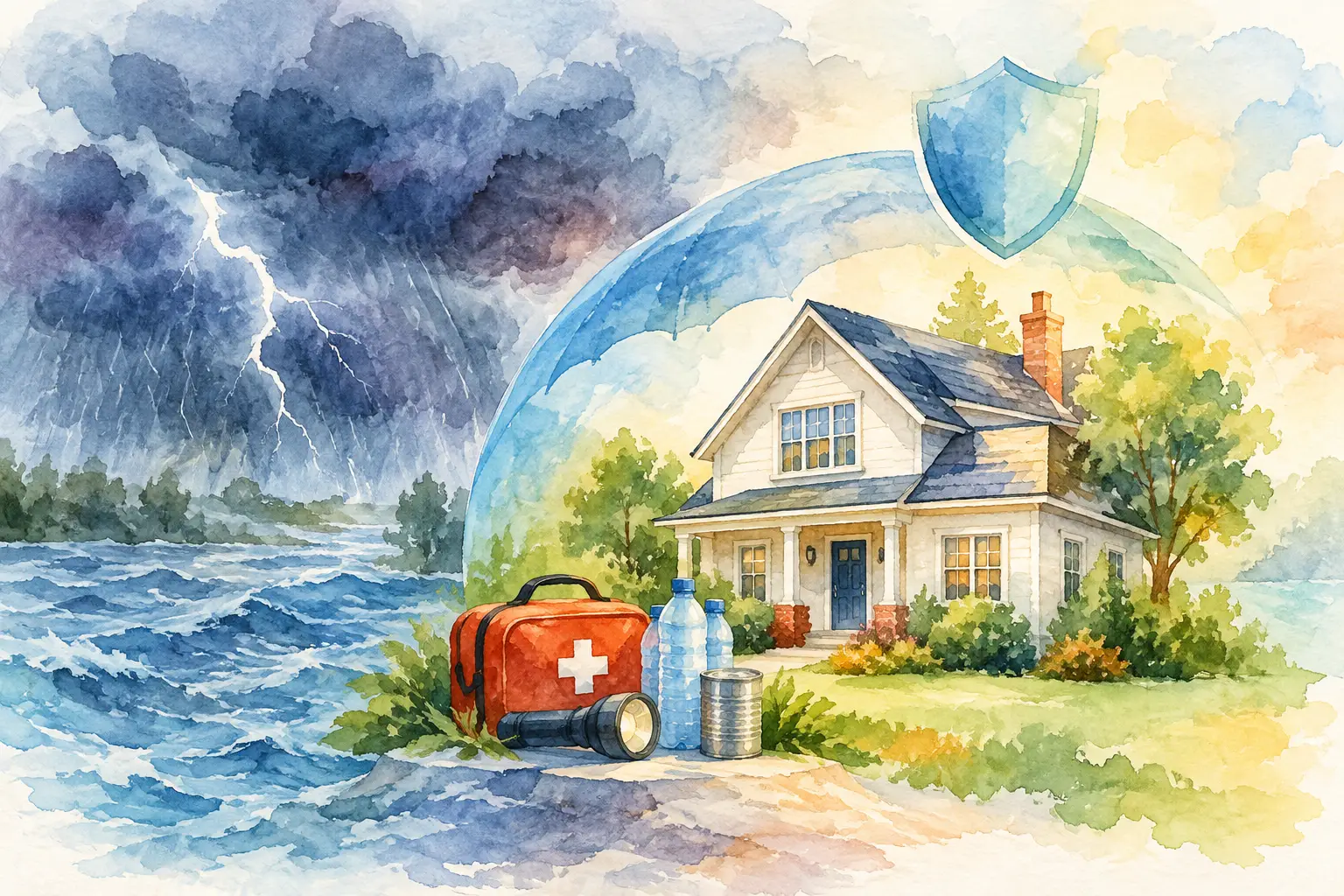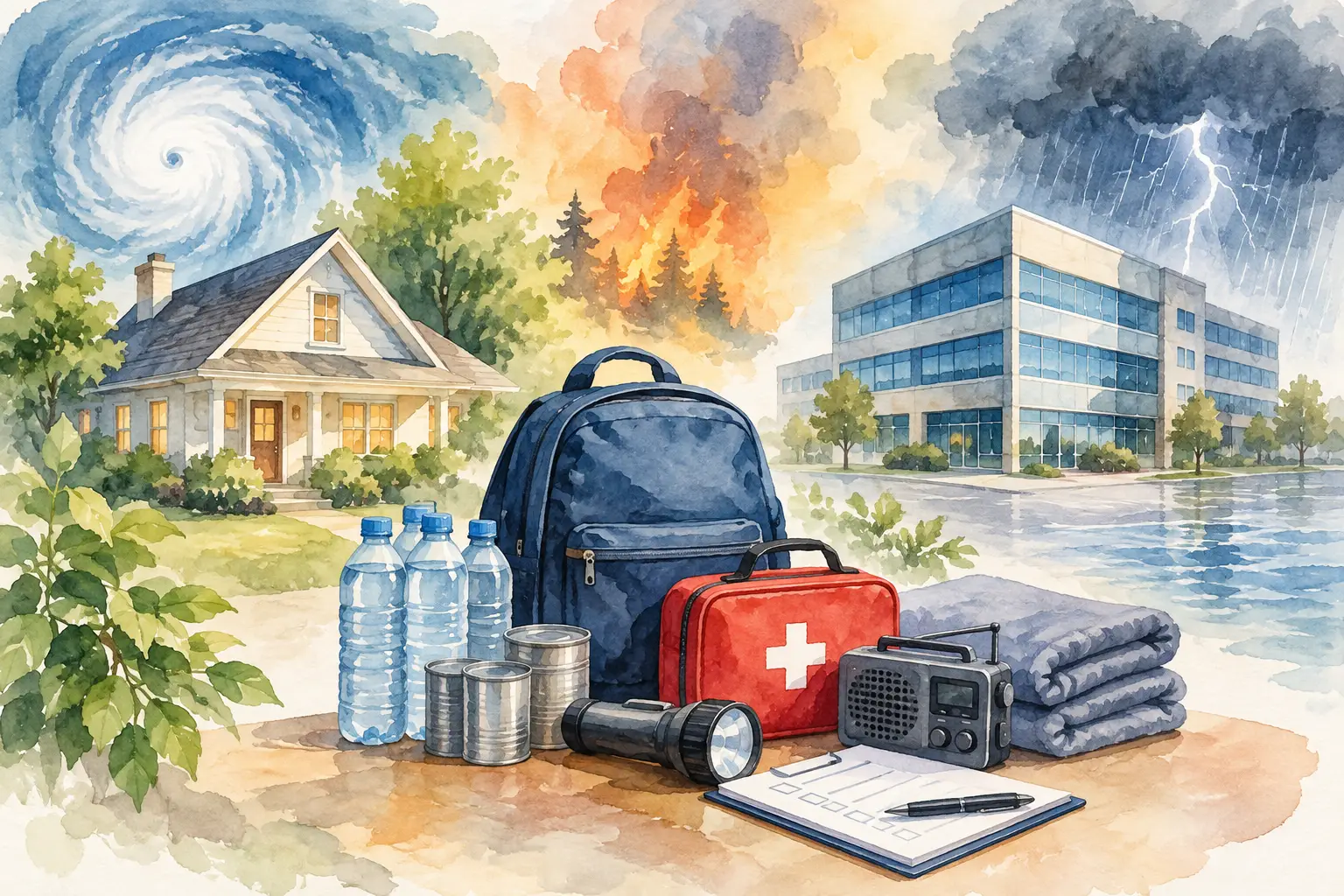

When a storm tears shingles from a roof, drives water through windows, or floods a lower level, the next few hours can shape both the recovery and the insurance claim. This storm damage insurance guide helps homeowners, facility managers, and business owners take orderly action: protect people, prevent additional damage, document the loss, and begin the path back to a safe property.
Storm damage is rarely limited to what you can see from the driveway. Wind-driven rain can travel behind siding, roof leaks can wet insulation and framing, and standing water can affect flooring, walls, electrical systems, inventory, and furnishings. A fast, documented response gives you a stronger starting point with your insurer and helps limit avoidable damage.
Put Safety and Damage Control First
Do not enter an area that has structural damage, downed power lines, sagging ceilings, active electrical hazards, or contaminated water. If there is a gas odor, leave the property immediately and contact the utility or emergency services. Commercial property leaders should keep employees, tenants, and customers out of affected areas until the building can be assessed.
Once it is safe, take reasonable steps to prevent the condition from getting worse. Insurance policies generally expect property owners to mitigate additional damage after a loss. That may mean placing a tarp over an exposed roof area, covering a broken window, moving dry belongings away from a leak, or shutting off the water if a storm-related plumbing failure is adding to the problem.
Do not make permanent repairs before the insurer has had an opportunity to review the damage unless they are necessary to make the property safe. Temporary protection is different from rebuilding. Keep receipts for emergency supplies, temporary repairs, hotel stays if covered, and other reasonable expenses connected to the loss.
For a large water intrusion, roof opening, or widespread building impact, professional emergency mitigation can make a meaningful difference. Fast extraction, moisture inspection, controlled drying, roof protection, and containment help stop a manageable loss from becoming a larger reconstruction project.
Document the Damage Before Cleanup Begins
Documentation is one of the most useful things you can do before damaged materials are removed. Take wide photos that show each affected room or exterior area, then take close-up photos and videos of specific damage. Capture roof debris, missing shingles, broken glass, water stains, damaged contents, wet flooring, exterior impacts, and any visible source of water entry.
Use your phone to create a simple record of what happened. Note the date and approximate time of the storm, when you first noticed damage, rooms or building areas affected, and every action you took to protect the property. If a contractor or restoration team performs emergency work, retain their inspection notes, photographs, drying records, invoices, and work authorization documents.
For commercial properties, include business-specific losses in your records. Photograph damaged equipment, stock, furniture, tenant improvements, and exterior signage. Record operational interruptions, closures, canceled events, and steps taken to protect customers or employees. A clear timeline helps with claim discussions and supports continuity planning.
Avoid throwing away damaged belongings until the insurer confirms they can be discarded. If items must be removed for health or safety reasons, photograph them thoroughly first and save samples or labels when practical. For example, a water-damaged carpet sample, a product serial number, or a photo of an item beside a recognizable reference can help establish what was lost.
Start the Insurance Claim Promptly
Contact your insurance carrier or agent as soon as you can after documenting the initial condition and addressing urgent hazards. Ask for a claim number, the adjuster’s contact information, and clear instructions on the next steps. Keep all claim communications in one place, including emails, estimates, invoices, photos, and notes from phone calls.
When describing the loss, stick to the facts. Explain what occurred, when you discovered it, what areas are affected, and what emergency measures have been taken. You do not need to diagnose the full extent of damage on the first call. Water can move behind walls and under flooring, while wind damage may not be fully visible from ground level.
Ask the carrier about deadlines, emergency repair procedures, deductible requirements, and whether they need an inspection before certain work begins. Policies differ. Coverage may depend on the cause of damage, the endorsements selected, policy limits, exclusions, maintenance history, and whether the property is residential or commercial.
A storm claim can involve more than one coverage category. Wind damage, hail damage, water entering through a storm-created opening, fallen trees, detached structures, personal property, additional living expenses, and business interruption may each be treated differently. Do not assume every form of water damage is covered in the same way. Flooding from rising surface water, for example, is typically handled under a separate flood policy rather than a standard property policy.
Understand What an Estimate Does and Does Not Mean
An initial insurance estimate is a starting point, not always the final scope of work. Hidden damage can appear after materials are removed or when moisture testing identifies water behind walls, beneath flooring, or in insulation. If new storm-related conditions are discovered, they should be documented and communicated to the insurer through the proper claims process.
Review the estimate carefully. Make sure it identifies affected rooms or building areas, required demolition, drying, cleaning, repairs, and replacement materials. For roof damage, confirm whether related items such as flashing, vents, gutters, underlayment, and interior water damage have been considered when applicable.
Depreciation can also affect the first payment. Some policies pay actual cash value initially, then release recoverable depreciation after approved repairs are completed and documented. Ask your adjuster or agent how your policy handles this process, what paperwork is needed, and whether there are deadlines for completing repairs.
Do not choose a contractor solely because their estimate is the lowest. Emergency restoration and reconstruction involve more than visible repair work. The provider should be able to assess moisture, stabilize the property, document the conditions, communicate clearly, and coordinate repairs that return the space to pre-loss condition.
Work With a Restoration Partner Who Can Manage the Recovery
After a severe weather event, property owners can be pushed into coordinating roof protection, water removal, cleaning, contents handling, repairs, and multiple contractors while trying to manage an insurance claim. That fragmentation can slow decisions and create gaps between emergency mitigation and reconstruction.
A qualified restoration provider brings structure to the work through assessment, mitigation, and restoration. Assessment identifies the affected areas and immediate risks. Mitigation focuses on stopping further damage through services such as board-up, tarping, water extraction, drying, and debris removal. Restoration addresses cleaning, repairs, and reconstruction needed to return the property to normal use.
ServiceMaster Restore by DCS provides 24/7/365 emergency response for residential and commercial property losses across Illinois and southeastern Wisconsin. A single accountable team can help document damage, perform emergency mitigation, communicate insurance-related information, and manage the rebuilding work that follows. That continuity is especially valuable when a storm affects several rooms, disrupts business operations, or creates both exterior and interior damage.
Common Mistakes That Can Complicate a Storm Claim
Waiting to report obvious damage can make it harder to separate the recent storm from later deterioration. Waiting to dry wet materials can also increase the risk of mold growth, material failure, and a more extensive loss. Take action quickly, even if the full scope is not yet known.
Another mistake is relying only on a verbal account. Photos, videos, receipts, moisture readings, emergency service records, and written timelines create a far clearer picture of the event. Keep copies even after the claim is closed, particularly for commercial facilities that may need records for accounting, leasing, or future maintenance planning.
Be cautious about signing documents you do not understand, especially during widespread storm events when unsolicited contractors may appear in affected neighborhoods. Verify credentials, ask what emergency work is proposed, and confirm how the contractor will communicate with you and the insurer. A professional team should explain the scope, document the conditions, and give you a clear point of contact.
Storm Damage Insurance Guide: Questions to Ask Early
As you move forward, ask your insurer whether temporary protective work is approved, how they want supplemental damage submitted, and what documentation they need for personal property or business interruption. Ask your restoration provider how they will monitor drying, preserve records, identify hidden damage, and transition from mitigation to reconstruction.
For commercial decision-makers, also ask how access, safety, scheduling, and operational priorities will be handled. A restaurant may need to protect food-service areas and reopen in phases. A warehouse may need dry, safe zones for inventory and shipping. A church or community organization may need to protect gathering spaces while planning around events. Recovery should reflect how the building actually serves people.
The strongest next step after storm damage is not trying to solve every detail at once. Protect the property, preserve the evidence, report the claim, and bring in experienced help early. With a calm plan and the right response team, you can restore the space, the operation, and the peace of mind that the storm disrupted.