
A flooded basement can change from a frustrating cleanup to a serious property loss in a matter of hours. Knowing what to do after basement flooding helps protect the people in your home or facility, limits damage to building materials and belongings, and creates a clearer path for insurance and restoration.
Whether the water came from a failed sump pump, burst pipe, appliance leak, sewer backup, or heavy rain, the priorities are the same: make the area safe, stop additional water from entering, document the loss, and begin professional drying as quickly as possible.
What to Do After Basement Flooding: Start With Safety
Do not enter a flooded basement if electrical outlets, appliances, extension cords, or the electrical panel may be in contact with water. Water and electricity are a dangerous combination. If it is safe to do so from a dry location, shut off power to the affected area. If you cannot reach the panel without stepping into water, leave it alone and contact an electrician or restoration professional.
Pay attention to the source and condition of the water before beginning any cleanup. A clean-water loss from a supply line is different from water that has backed up through a drain, entered through the foundation after a storm, or mixed with sewage. Sewage-contaminated water can contain bacteria, viruses, and other hazardous contaminants. Avoid contact, keep children and pets away, and do not try to salvage porous items such as carpet, padding, upholstered furniture, or cardboard boxes that have been affected by sewage.
If the water is still rising, the source is unknown, or your basement contains gas-fired appliances, leave the area and call for emergency help. A fast response matters, but no belongings are worth risking an injury.
Stop the Water and Protect the Rest of the Property
If the flooding is caused by an indoor plumbing failure, turn off the main water supply if you can do so safely. For an appliance leak, shut off water to that fixture. When stormwater is involved, you may not be able to stop the source immediately, but you can reduce spreading water by moving items away from the affected area and keeping interior doors closed where appropriate.
Move dry, valuable, or sentimental items to a safe location. Focus first on irreplaceable documents, photographs, electronics, medications, and items stored in cardboard boxes. Do not carry heavy furniture through standing water without help. Wet materials become much heavier, and slips are common during basement cleanup.
For commercial properties, protect records, inventory, equipment, and any materials that could create a safety concern. Facility managers should also restrict access to the affected area, notify key stakeholders, and document any operational interruption. A water event in a basement can affect electrical rooms, mechanical systems, storage areas, and building access even when customer-facing spaces appear unaffected.
Document the Damage Before Cleanup Begins
Take clear photos and video of the water line, affected rooms, damaged contents, and the apparent source of the flooding. Capture wide shots as well as close-ups of flooring, walls, furniture, appliances, and stored belongings. If there is visible mold growth, staining, or damaged insulation, document that too.
Create a basic inventory as you work. Include the item, its condition, approximate age, and any known purchase information. Keep damaged items until your insurance carrier or restoration team advises otherwise, unless they present a health hazard or must be removed during emergency mitigation.
Contact your insurer promptly to report the loss and ask about your policy requirements. Coverage can depend on the cause of water damage. For example, a sudden pipe break may be handled differently than groundwater intrusion or a sewer backup. Documentation does not guarantee coverage, but it gives your claim a stronger, more accurate record.
Begin Water Removal and Drying Quickly
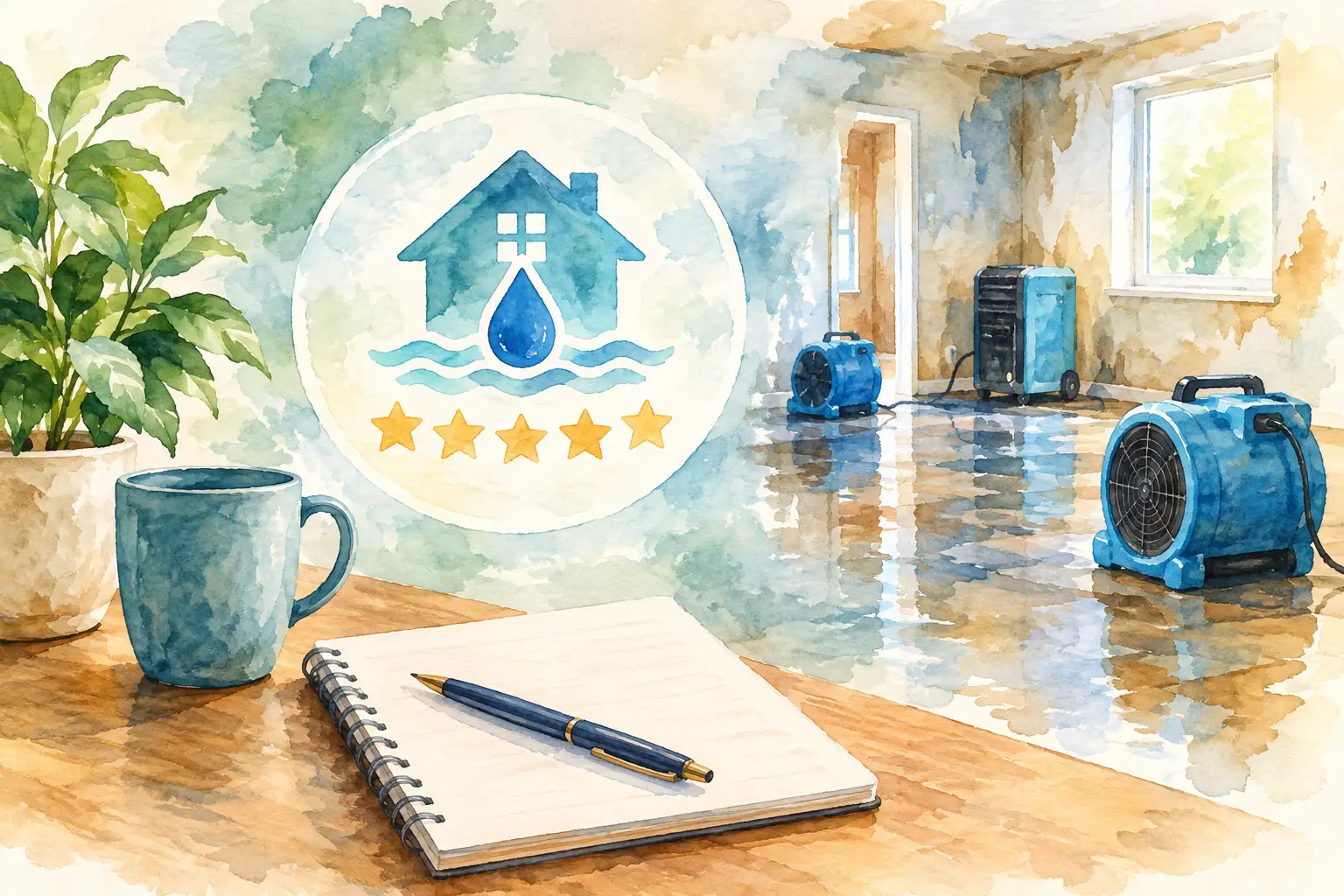
Standing water should be extracted as soon as the area is safe to enter. Small, clean-water incidents may allow for limited homeowner cleanup with wet/dry vacuums and fans. However, many basement floods require commercial extraction equipment, dehumidification, moisture monitoring, and controlled airflow to dry materials properly.
Opening windows can help in mild, dry weather, but it is not a complete drying strategy. On humid days, outdoor air may add moisture to the basement. Household fans can also spread contaminants after a sewage backup. The right approach depends on the water category, the amount of water, the materials affected, and how long moisture has been present.
Carpet, drywall, wood framing, insulation, and baseboards can hold moisture long after the visible water is gone. Without proper drying, mold may begin to develop within 24 to 48 hours. That is why professional moisture readings matter. They identify moisture behind walls, beneath flooring, and in structural materials that cannot be evaluated by sight alone.
Separate Items That Can Be Restored From Those That Cannot
Some belongings can often be cleaned, dried, and restored if addressed quickly. Nonporous items such as metal, glass, plastic, and certain sealed surfaces are generally easier to sanitize. Solid wood furniture may be recoverable depending on how long it was wet and whether it has warped or delaminated.
Porous materials are more difficult. Wet carpet padding usually needs replacement. Saturated drywall may need to be removed above the water line, particularly when the water is contaminated. Insulation, particleboard furniture, paper goods, and untreated fabrics can retain moisture and contaminants even after surface drying.
Avoid making disposal decisions based only on appearance. A restoration assessment can identify which materials can be safely cleaned and which ones will continue to create moisture, odor, or contamination problems. This helps prevent the frustration of rebuilding too soon, only to discover hidden damage later.
Clean and Disinfect Based on the Type of Water
Not all floodwater should be handled the same way. Clean water from a broken supply line may require extraction and drying, while gray water from appliances or drain overflows needs more careful cleaning. Black water, including sewage or floodwater from outside, requires specialized containment, removal, cleaning, and disinfection procedures.
Never mix cleaning chemicals, and do not rely on fragrance to tell you whether an area is clean. Odors can linger when moisture remains trapped in materials or when contamination has reached flooring, wall cavities, or contents. Effective restoration addresses the source of the odor and contamination, not just the smell.
For sewage losses, wear appropriate personal protective equipment and avoid using items that cannot be effectively disinfected. Professional cleanup is strongly recommended because the work may involve contaminated building materials, air filtration, controlled demolition, and disposal requirements.
Watch for Hidden Damage After the Basement Looks Dry
A basement can look normal before it is fully dry. Check for swelling baseboards, peeling paint, softened drywall, rust on appliances, warped flooring, musty odors, and condensation. These are signs that water may still be present or that materials were damaged during the event.
Have HVAC equipment, water heaters, furnaces, and electrical components inspected if they were exposed to water. Do not restart equipment that may have been flooded until it has been evaluated. This is particularly important in commercial buildings, where one affected mechanical system can create a larger interruption later.
Restore the Space With Prevention in Mind
Once drying and cleanup are complete, repairs can begin. Depending on the loss, restoration may include replacing drywall and insulation, repairing flooring, repainting, reinstalling trim, restoring contents, and rebuilding damaged areas. A coordinated provider can manage the process from emergency mitigation through reconstruction, reducing the need to coordinate multiple vendors during an already stressful time.
Use the recovery period to address the conditions that contributed to the flooding. That may mean servicing a sump pump, adding a battery backup, improving exterior drainage, sealing foundation vulnerabilities, repairing plumbing, or elevating stored items off the basement floor. For businesses, it may also mean reviewing emergency contacts, documenting shutoff locations, and developing a response plan that protects operations.
ServiceMaster Restore by DCS provides 24/7/365 response for water damage, sewage cleanup, drying, cleaning, and reconstruction across Illinois and southeastern Wisconsin. The goal is simple: assess the loss, mitigate further damage, and restore the space to pre-loss condition with clear communication along the way.
After a basement flood, speed and sound decisions can preserve far more than building materials. They can protect your home, your business, your records, and the routines that depend on them. When the scope is uncertain, bringing in experienced restoration help early is often the safest next step.