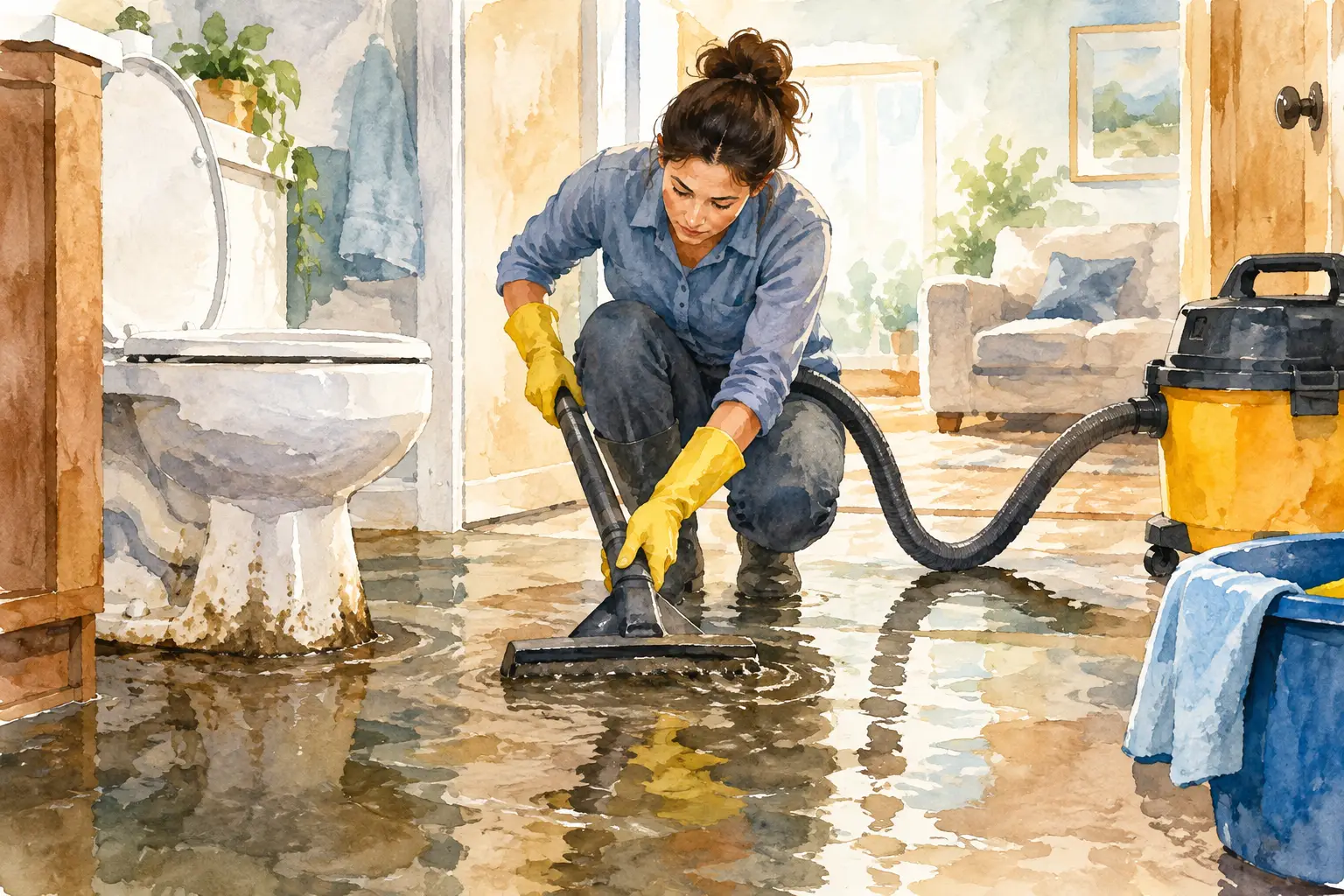

A burst supply line can release gallons of water before anyone notices. A failed sump pump can turn a Chicago basement into a loss overnight. When that happens, emergency water removal Chicago homeowners and businesses need is not simply about getting standing water out. It is about stopping the source, protecting people and belongings, controlling moisture inside walls and floors, and creating a clear path back to normal.
Water moves quickly, but the decisions made in the first few hours can limit the scope of damage. A coordinated response helps protect finishes, furnishings, building materials, and the ability to safely use the property.
What to Do Before Water Removal Begins
Safety comes first. If water is near electrical outlets, appliances, panel boxes, or damaged wiring, avoid entering the affected area until it is safe to do so. If the water source is active and accessible, shut off the local valve or main water supply. For an overflowing toilet or appliance leak, stopping the flow can prevent a manageable event from reaching adjoining rooms.
Do not assume all water is clean. Water from a broken supply line is generally different from water that has passed through drains, backed up from a sewer, or entered from flooding. Sewage-contaminated water and floodwater can carry harmful contaminants. Keep children, pets, and unprotected occupants away from the area, and do not try to save porous items that may be contaminated.
If conditions allow, move dry, valuable items away from the affected area. Take photos or video of visible damage before moving items, particularly for insurance documentation. Then contact a restoration team that can respond promptly with extraction, drying, cleaning, and reconstruction capabilities. Waiting for water to disappear on its own is rarely a safe plan.
Why Emergency Water Removal in Chicago Requires More Than Extraction
Removing visible water is a critical first step, but it is only one part of mitigation. Water can travel under flooring, into wall cavities, behind baseboards, beneath cabinets, and through ceiling assemblies. Carpeting may feel dry at the surface while its pad and subfloor remain wet. A ceiling stain may represent water trapped above it, where it can continue spreading.
Chicago-area properties also face conditions that complicate drying. Older homes may have finished basements, dense plaster walls, or aging plumbing systems. Multifamily buildings can have water travel between units. Commercial spaces may contain layered flooring, inventory, equipment, records, and electrical systems that require careful handling. Winter freezes, spring storms, roof leaks, and summer humidity each create different moisture challenges.
Effective water mitigation uses moisture detection and documented drying goals, not guesswork. Restoration technicians evaluate the affected materials, identify where water has migrated, extract as much moisture as possible, and place professional drying equipment where it will do the most good. Air movement, dehumidification, and controlled temperature work together to dry structural materials to appropriate levels.
The trade-off is that some materials can be saved while others cannot. Solid wood components, certain contents, and nonporous surfaces may respond well to rapid drying and cleaning. Saturated insulation, swollen particleboard, damaged drywall, and contaminated carpet padding may need removal to prevent further deterioration. The right decision depends on the water category, how long materials were wet, and what the building is made of.
The Three Steps That Bring Order to a Water Loss
A water emergency can feel chaotic, especially when it disrupts a family home, rental property, restaurant, warehouse, church, or office. A structured process makes the next steps easier to understand.
1. Assessment
The response begins by identifying the source of the water and determining whether it has been stopped. Technicians inspect visible and concealed moisture, assess affected rooms and materials, and evaluate safety concerns. This assessment guides the scope of extraction, cleaning, drying, and any necessary demolition.
For commercial properties, assessment also includes operational priorities. A facility manager may need to protect server rooms, production areas, tenant spaces, or inventory before addressing cosmetic finishes. A restaurant may need to isolate the affected area and document the loss while working toward a safe reopening. Clear communication at this stage helps decision-makers understand what can be done immediately and what requires follow-up.
2. Mitigation
Mitigation is the work that prevents additional damage. It may include water extraction, removal of wet materials, containment, content relocation, cleaning, odor control, and placement of drying equipment. The goal is to stabilize the property quickly and prevent moisture from becoming a larger structural or microbial problem.
This phase should be deliberate, not rushed at the expense of the building. For example, opening wall sections may be necessary when moisture is trapped inside, but unnecessary demolition can add cost and disruption. A qualified team uses inspection findings to make targeted decisions. Daily monitoring and moisture readings help confirm that drying is progressing instead of simply hoping the equipment is working.
3. Restoration
Once the affected spaces are dry and clean, restoration returns the property toward its pre-loss condition. That can range from reinstalling baseboards and replacing flooring to rebuilding walls, ceilings, cabinets, and other damaged components. When one provider manages mitigation and reconstruction, there is less risk of a handoff gap between emergency work and repairs.
ServiceMaster Restore by DCS provides this end-to-end approach, helping property owners move from immediate water response through drying, insurance-related documentation support, and rebuilding work. The goal is to restore the space and reduce the burden of coordinating separate vendors during an already stressful event.
Water Damage Problems That Cannot Wait
Some situations call for an immediate professional response even if the amount of standing water appears limited. Water that has reached a finished basement, hardwood floor, ceiling, electrical area, or neighboring unit can create hidden damage quickly. So can water involving sewage, a washing machine discharge, a dishwasher leak that has spread beneath cabinetry, or an unknown source behind a wall.
A slow leak also deserves attention. It may not look urgent, but repeated moisture can weaken materials and create conditions where mold can grow. Musty odors, peeling paint, warped flooring, stained ceilings, and persistently high indoor humidity are signals that water may be present where it cannot be seen.
For businesses, timing is often tied directly to continuity. Water in an entryway, kitchen, storage area, tenant suite, or production space can create slip hazards, damage assets, and interrupt operations. Fast mitigation is not only about the building. It helps protect employees, customers, records, and the ability to reopen with confidence.
What a Professional Response Should Include
A reliable emergency response is organized around the actual conditions at the property. The team should communicate what it finds, what actions are needed now, and what decisions may be needed later. Documentation matters because it records the affected areas, the materials involved, the drying progress, and the work performed.
Look for a provider that can handle more than extraction. Water losses often involve cleaning, contents care, odor concerns, mold prevention, and construction repairs after drying is complete. A single accountable restoration partner can simplify communication for homeowners, property managers, insurers, and commercial stakeholders.
Availability also matters. Water damage does not wait for business hours, and an overnight response can make a meaningful difference. A 24/7/365 restoration team can begin protecting the property when the loss occurs, rather than after moisture has had another day to migrate.
Protecting Your Property After the Crew Leaves
Drying equipment needs time and should remain in place until moisture readings confirm the affected materials have reached drying goals. Turning equipment off early, opening windows during humid weather, or moving air movers because they are noisy can delay drying. Ask the restoration team how to safely use the space while equipment is operating and what to expect during monitoring visits.
Keep records of conversations, photos, estimates, and receipts related to the loss. If an insurance claim is involved, timely documentation can make the process easier to follow. It is also wise to address the original cause before repairs are finished, whether that means replacing a failed hose, repairing a roof, correcting drainage, servicing a sump pump, or updating aging plumbing.
The best time to act is while the water event is still small enough to control. Prompt, professional help can protect more than walls and floors. It can protect the routines, operations, and peace of mind that depend on the space being restored.