
A burst sprinkler line can close a restaurant before lunch service. Smoke from a small electrical fire can make an office unusable even when the flames never spread beyond one room. When these events happen, commercial disaster recovery is not simply a cleaning project. It is the coordinated work of protecting people, limiting damage, documenting the loss, and getting a business back to safe operations as quickly as conditions allow.
For facility managers, property owners, and operations leaders, the cost of an interruption often reaches beyond the damaged materials. Missed revenue, displaced tenants, payroll pressure, inventory loss, canceled events, and reputational damage can build quickly. A prepared response helps bring order to a stressful situation and gives decision-makers a clear path forward.
What Commercial Disaster Recovery Must Accomplish
Commercial properties are complex. A warehouse may have valuable inventory, racking systems, loading schedules, and large areas of concrete that retain moisture. A church may need to protect gathering spaces, offices, records, and scheduled services. A restaurant must address food safety, odors, grease, finishes, and the pressure to reopen without compromising health requirements.
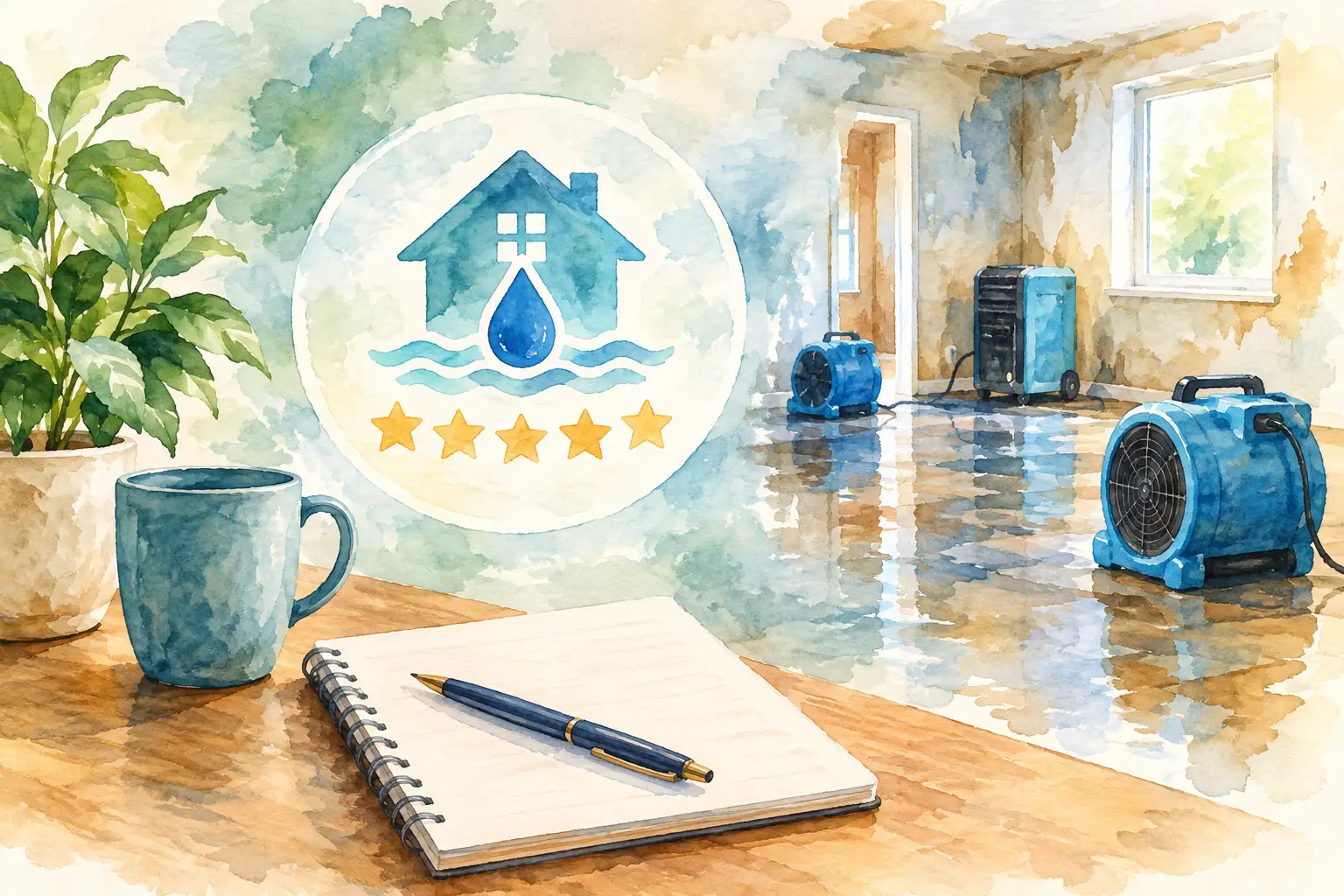
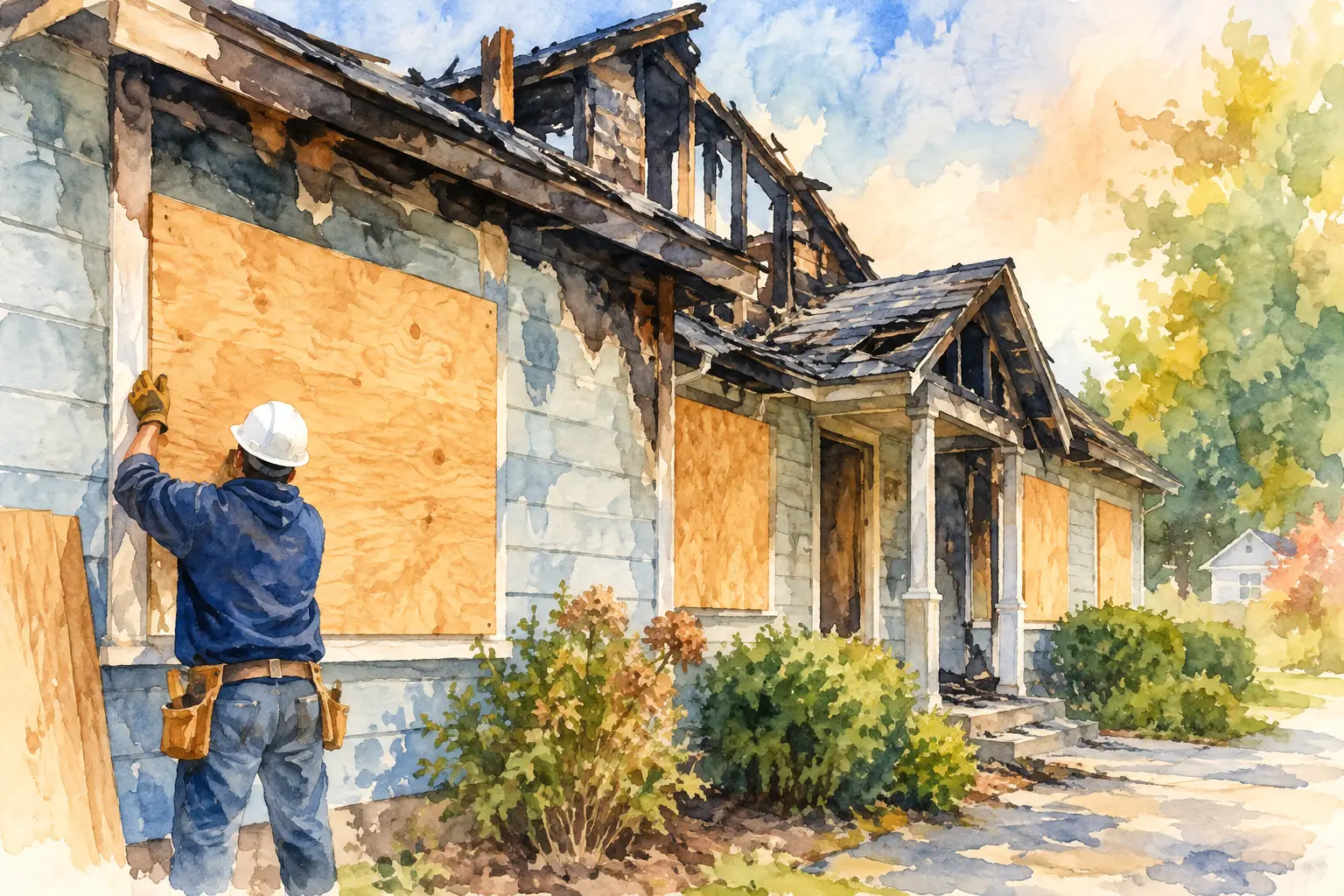
The recovery strategy must fit the property and the loss. Water damage may require extraction, controlled drying, moisture monitoring, and selective demolition. Fire and smoke damage can require soot removal, odor control, contents cleaning, air-quality considerations, and reconstruction. Storm damage may involve emergency board-up, roof protection, water mitigation, and structural repairs.
The goal is consistent: stabilize the property first, prevent additional loss, and restore the building and its operations with a documented plan. Fast action matters, but speed without an organized assessment can lead to missed moisture, incomplete cleaning, or repairs that have to be reopened later.
The First Hours Set the Recovery in Motion
A commercial loss needs a controlled response from the moment it is reported. Before anyone starts moving furniture or removing materials, the site should be evaluated for immediate safety concerns. Electrical hazards, contaminated water, compromised ceilings, unstable materials, smoke residue, and mold conditions all change the scope of work.
A professional restoration team begins by identifying the source of damage and determining whether it has been stopped. A water loss may continue behind walls or above ceilings even after the visible pooling is removed. A fire loss may leave corrosive residues on equipment and surfaces. After a storm, temporary protection may be necessary before interior repairs can begin.
Clear documentation is also essential early in the process. Photos, moisture readings, affected-area descriptions, equipment records, and damage inventories help create a reliable work plan. They also provide the detail property owners and insurers often need to understand the extent of the loss and the steps taken to protect the property.
Communication should be just as deliberate. Commercial stakeholders need to know what happened, what is being done now, what areas are restricted, and what decisions are coming next. A good recovery partner does not leave the facility team guessing about the status of its building.
Assessment, Mitigation, and Restoration
The most effective commercial disaster recovery follows a disciplined process rather than a one-size-fits-all checklist.
Assessment: Define the Damage and the Priorities
Assessment establishes the facts. Restoration professionals inspect visible damage, check concealed areas, identify affected materials, and determine the conditions that could cause further deterioration. This is where the recovery team considers the building’s use, occupancy requirements, critical equipment, inventory, and operational deadlines.
For example, water in a vacant storage area and water in a medical office may require very different priorities. Both need prompt drying, but the office may also need to protect records, specialized equipment, and patient access. The right plan accounts for the physical loss and the business consequences of downtime.
Mitigation: Stop Damage From Spreading
Mitigation is the urgent work that protects the property from becoming a larger claim. Depending on the event, it can include water extraction, structural drying, emergency board-up, roof tarping, debris removal, contents packing, temporary power coordination, soot cleanup, or disinfecting affected areas.
This phase is often where downtime can be reduced most significantly. Drying a water-damaged area correctly can prevent secondary damage to flooring, drywall, insulation, and finishes. Removing smoke residue promptly can reduce staining and corrosion. Separating affected contents from clean areas can help preserve usable assets and keep the recovery organized.
There are trade-offs. An aggressive demolition approach can reveal and remove hidden damage quickly, but it can also increase the immediate scope of reconstruction. A careful, measured approach may preserve more materials when they can be safely dried or cleaned. The best choice depends on contamination level, moisture conditions, material type, building use, and the need to reopen.
Restoration: Return the Property to Pre-Loss Condition
Restoration brings the recovery through the finish line. It may involve repairs to walls, ceilings, flooring, cabinetry, roofing, electrical systems, and other building components. It can also include cleaning and returning contents, addressing persistent odors, and coordinating reconstruction work so the property does not have to rely on separate vendors for each stage.
One accountable provider can make a meaningful difference here. When mitigation and reconstruction are disconnected, details can be lost between teams, schedules can slip, and property managers may be forced to coordinate multiple scopes of work during an already difficult event. A full-service approach keeps the recovery connected from emergency response through final repairs.
Planning for Continuity Before a Loss
Emergency restoration starts after damage occurs, but business continuity planning should start earlier. A written commercial emergency plan helps teams act decisively when conditions are changing quickly. It should identify who can authorize emergency work, who communicates with employees and tenants, where shutoffs are located, and which areas or systems are most critical to operations.
A useful plan also considers practical questions. Can part of the building remain open while another area is restored? Is there an alternate workspace or temporary storage location? Which vendors, utilities, alarm companies, and insurance contacts need to be called? What equipment or records require immediate protection?
The plan does not need to be complicated to be valuable. What matters is that the right people know their responsibilities and that the information is accessible outside normal business hours. A binder locked in an office is less helpful during a nighttime water loss than a current contact list and response procedure available to the decision-makers who will receive the call.
For larger properties or multi-site organizations, pre-loss planning can also establish expectations for documentation, communications, access, security, and approval thresholds. This reduces confusion when urgent work is needed and helps the restoration team begin with a clearer understanding of the facility.
Choosing a Recovery Partner for Commercial Properties
The right restoration provider should be prepared to respond when the loss occurs, not just schedule an inspection days later. Look for a team with 24/7/365 emergency availability, commercial experience, clear documentation practices, and the ability to manage both mitigation and rebuilding.
It is also worth asking how the provider will communicate during the project. Facility leaders need more than a promise that the work is underway. They need realistic timelines, progress updates, notice of changing conditions, and a clear explanation when the scope must change. Recovery work can uncover hidden damage, especially after water migration, fire, or weather events. Direct communication makes those discoveries manageable rather than disruptive surprises.
Insurance familiarity is another practical advantage. A restoration team should document conditions thoroughly and work within the information requirements of the claim process, while keeping the property owner’s recovery goals in view. The insurer’s process and the operational needs of the business must both be addressed.
ServiceMaster Restore by DCS brings 35 years of experience to commercial losses across Illinois and southeastern Wisconsin, with a Restore Team on Call 24/7/365. From emergency mitigation through cleaning, restoration, and reconstruction, the focus is on protecting the property and helping businesses regain control of their space.
A Faster Return Starts With a Clear First Call
No commercial property can eliminate every risk. Plumbing fails, storms arrive, equipment overheats, and accidents happen. What a business can control is how prepared it is to respond and whether it has a capable team ready to take action.
When damage disrupts your facility, protect people first, secure the source of the loss, and bring in qualified restoration support before secondary damage takes hold. A calm, organized response gives your employees, customers, tenants, and operations the best possible path back to normal.