A sewage backup changes the rules of a property emergency. The water may be gone from view, but the contamination can remain in flooring, wall cavities, contents, and HVAC-adjacent areas. Professional sewage cleanup services are designed to control that risk quickly, protect the structure, and create a clear path back to a safe home or operating facility.
For homeowners, the disruption is personal and immediate. For property managers, restaurants, churches, warehouses, and other commercial facilities, it can also interrupt operations and create a health and safety concern. The right response starts with treating the affected area as contaminated, not simply wet.
Why sewage damage requires a different response
Water from a clean supply line and water from a sewage backup are not the same type of loss. Sewage water can carry bacteria, viruses, parasites, and other contaminants. It may also include organic waste, chemicals, and debris that spread beyond the original drain or fixture.
That is why ordinary mopping, household disinfectants, or a fan placed in the room are not dependable solutions. They may remove surface moisture while leaving contamination in porous materials or pushing airborne particles into other areas. A visible cleanup can look complete while the property still needs controlled removal, cleaning, drying, and verification.
The extent of the loss depends on several factors: where the backup originated, how long materials were exposed, the type of flooring and wall finishes involved, and whether the water traveled to lower levels, storage areas, or occupied spaces. A small toilet overflow caught immediately may have a limited footprint. A drain backup that reaches carpeted rooms, finished basements, or commercial work areas requires a broader response.
What to do before sewage cleanup services arrive
Fast action can limit additional damage, but safety comes first. Keep people and pets away from the affected area. If the source is still active and it is safe to do so, stop using water fixtures in the building and contact a plumber or utility provider as appropriate. Do not flush toilets, run dishwashers, or use washing machines until the cause has been evaluated.
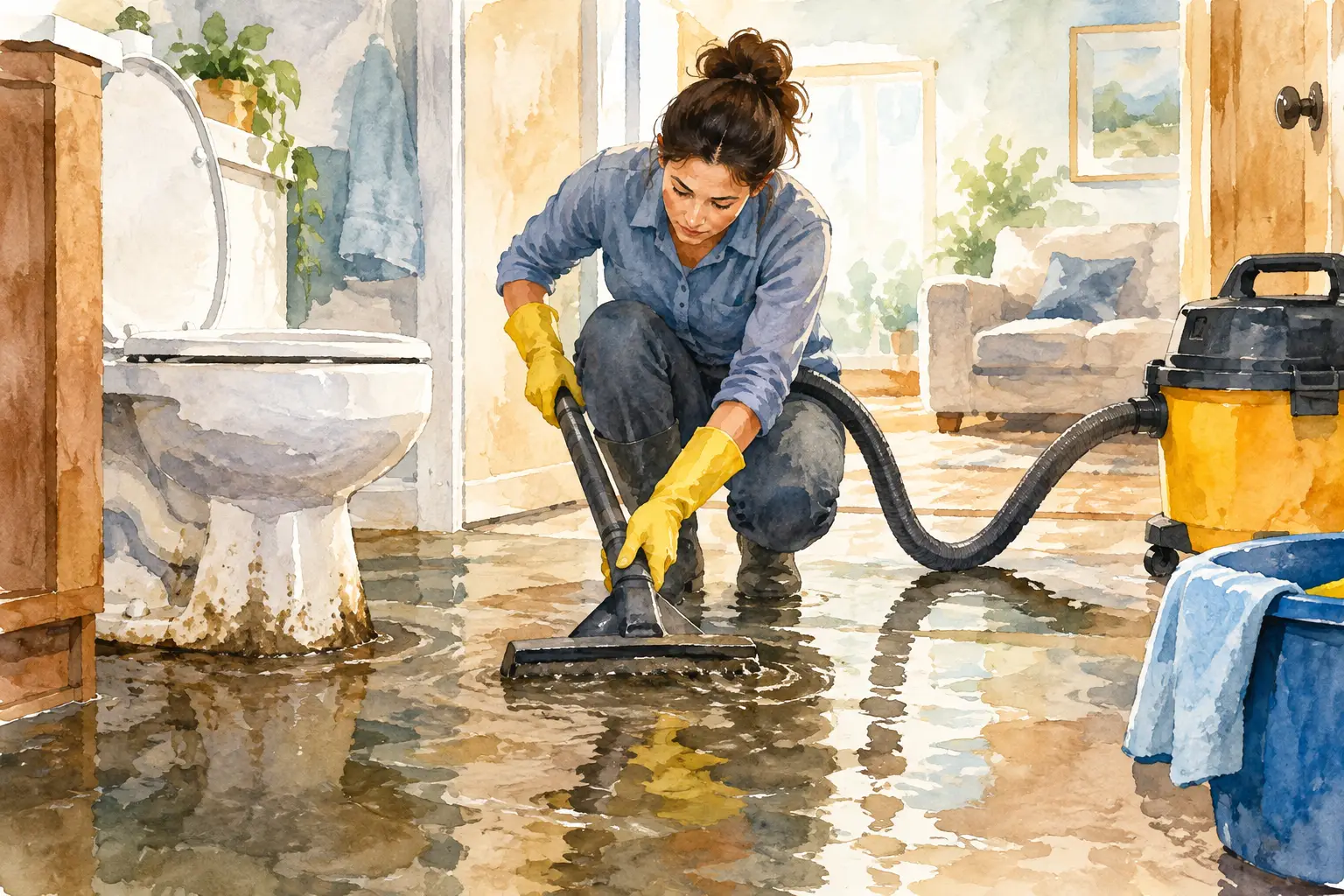
Avoid walking through contaminated water, especially if it has reached electrical outlets, appliances, or equipment. Do not use a household vacuum, shop vacuum, or standard carpet cleaner on sewage-contaminated materials. These tools are not designed to safely contain or sanitize this type of contamination.
If practical, move uncontaminated belongings out of the path of water without entering the affected area. Take photos or video from a safe location for insurance documentation. Then contact a restoration team that can respond around the clock and coordinate the next steps.
How professional sewage cleanup services restore control
A qualified restoration response follows a disciplined process. The goal is not just to remove water. It is to contain contamination, make sound decisions about affected materials, and restore the property with documentation that supports the recovery process.
1. Assessment and safety planning
The first step is to identify the source, the affected areas, and the materials involved. Technicians inspect visible conditions and use moisture-detection tools to determine whether contamination or moisture has moved beneath flooring, behind baseboards, or into wall systems.
They also establish safety controls before beginning work. Depending on the conditions, this can include restricted access, protective equipment, containment barriers, and air-management measures. In a commercial setting, the plan may also account for employee access, customer traffic, sensitive equipment, food-service requirements, or the need to keep unaffected operations running.
Clear documentation begins at this stage. Photos, moisture readings, affected-material records, and a defined scope help property owners understand what happened and help support insurance-related communication.
2. Containment and removal of affected materials
Contamination must be prevented from spreading during cleanup. Restoration professionals isolate the affected area and remove sewage water using appropriate extraction equipment. Materials that cannot be effectively cleaned and sanitized are removed according to the conditions of the loss.
This often includes carpet and padding, porous insulation, damaged drywall, particleboard furnishings, cardboard storage boxes, and certain fabric-covered items. The decision is not based on appearance alone. Porous materials can absorb contaminated water deeply, making reliable sanitation difficult or impossible.
Some hard, nonporous surfaces may be cleaned and disinfected when they remain structurally sound. Tile, metal, glass, and certain sealed surfaces can sometimes be restored. Wood flooring, cabinetry, and upholstered belongings require a case-by-case evaluation because their recoverability depends on construction, exposure time, and contamination level.
3. Cleaning, disinfection, and controlled drying
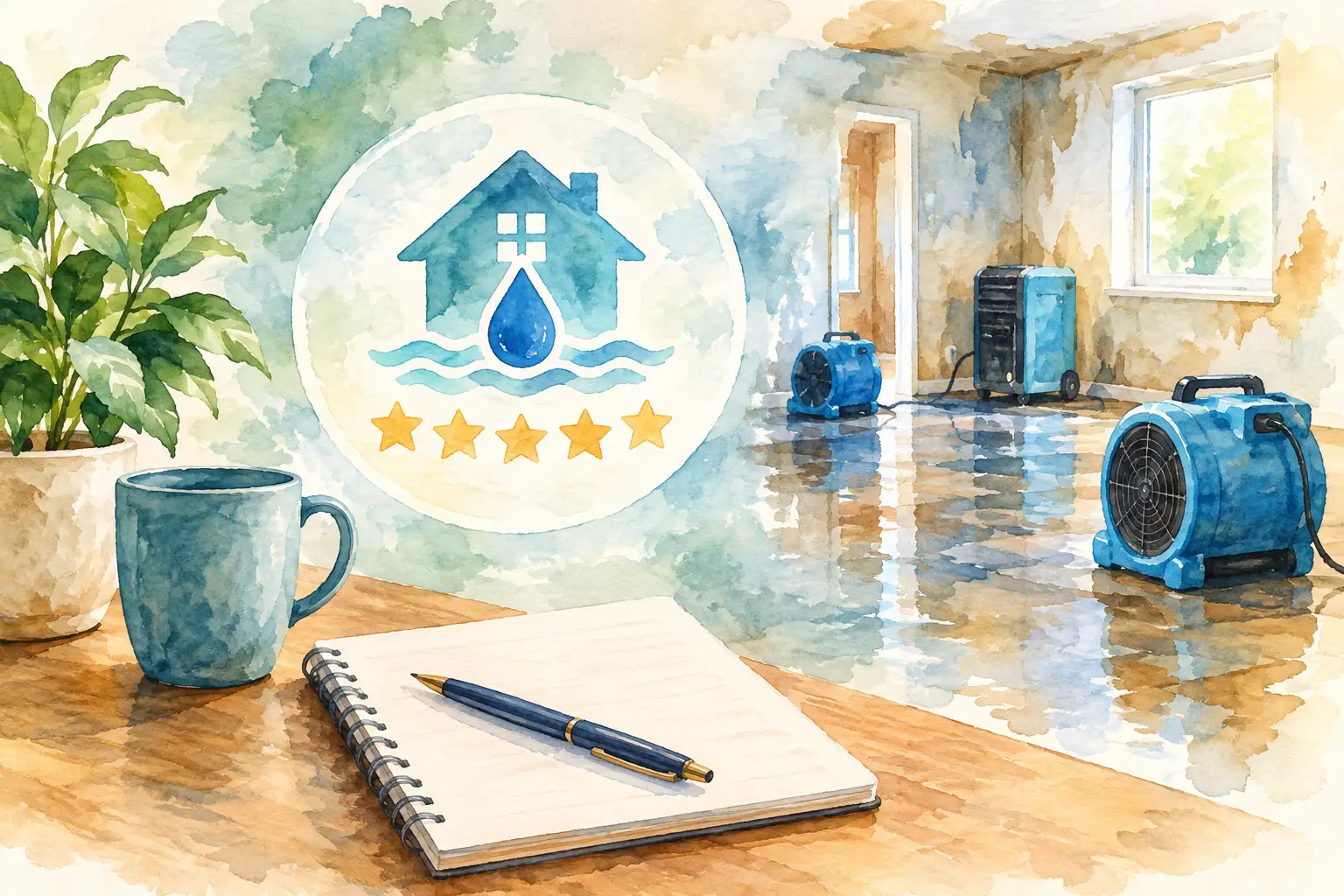
After removal and extraction, technicians clean remaining structural surfaces and apply appropriate disinfecting methods. Drying equipment is then placed to address moisture in framing, subfloors, concrete, and other building materials.
Drying is not a step to rush or guess at. Moisture monitoring helps confirm whether materials are progressing toward acceptable drying goals. This matters because lingering moisture can damage finishes, weaken materials, and create conditions that support microbial growth after the initial sewage issue has been addressed.
Odor control may also be necessary. Sewage odors are often a sign that contamination or moisture remains somewhere in the assembly. Fragrance products only mask the problem. Effective odor control depends on removing the source, cleaning affected surfaces, and drying the area thoroughly.
4. Restoration and reconstruction
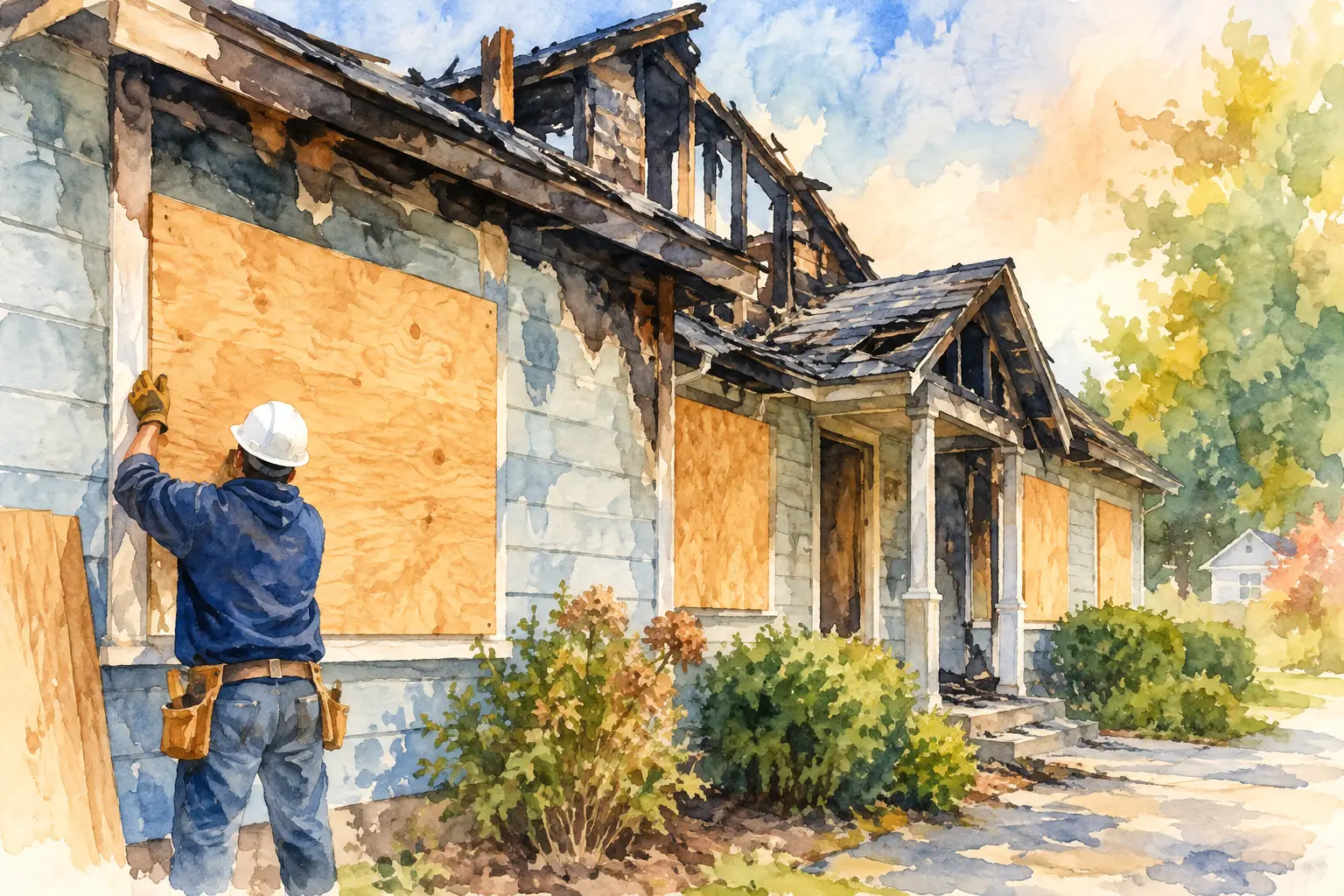
Once the space is clean, dry, and ready for rebuilding, restoration work can begin. That may include replacing drywall, insulation, baseboards, flooring, cabinetry components, paint, or other finishes removed during mitigation.
Working with one accountable provider from emergency response through reconstruction reduces handoffs at a stressful time. ServiceMaster Restore by DCS helps residential and commercial customers move from assessment and mitigation through the work needed to return the property toward its pre-loss condition.
Common mistakes that make a sewage loss worse
The most costly mistake is waiting. Sewage contamination and moisture can move quickly, especially in finished basements and buildings with layered flooring. Delayed cleanup can increase demolition needs and prolong the time before a space can be safely used again.
Another mistake is throwing away everything without documentation. Some items may be salvageable, while others must be discarded. Before disposal, a restoration team can help document affected contents and explain what can reasonably be cleaned, restored, or inventoried for a claim.
Property owners also sometimes focus only on the room where water first appeared. A backup may travel under flooring, through wall openings, or into adjacent rooms before it becomes visible. Professional assessment helps define the full impact rather than treating only the obvious spot.
Finally, do not assume a plumber’s repair completes the recovery. Repairing a broken line, cleared drain, or failed ejector system addresses the cause. The property may still require contamination cleanup, structural drying, and reconstruction.
When commercial properties need a faster, more coordinated plan
Commercial sewage losses carry additional operational pressures. A restaurant may need to protect food-service areas and meet sanitation expectations. A warehouse may need to safeguard inventory, loading zones, and equipment. A multi-unit property may require communication across tenants, maintenance teams, and insurance representatives.
The response should be scaled to the building and the business. That can mean establishing contained work zones, scheduling work around limited operating hours, documenting affected assets, and prioritizing areas that reduce downtime. The right plan balances speed with the health, safety, and documentation standards the situation requires.
Preparedness also matters. Facility leaders benefit from knowing who to call before an emergency occurs, where shutoffs are located, and how employees should report a backup. A prompt, organized first response protects people and gives the restoration process a stronger start.
A safe recovery starts with decisive action
A sewage backup is not a cleanup project to postpone or manage with surface-level fixes. Keep the area isolated, stop further use of affected plumbing when possible, document the condition, and bring in trained help quickly. With a controlled response, clear communication, and restoration work that follows the full scope of damage, your property can move from disruption toward a safe, usable space again.