
A small patch of mold behind a bathroom vanity can point to a much larger moisture issue inside the wall. A musty odor in a warehouse office may signal a hidden roof leak, plumbing failure, or humidity problem. Mold remediation is not simply about cleaning what you can see. It is a structured process for finding the moisture source, controlling the affected area, removing contamination appropriately, and restoring the property so it can function safely again.
For homeowners, that can mean protecting the rooms where your family lives. For property managers and business owners, it can mean limiting downtime, protecting inventory, and documenting the recovery process. The right response depends on the size of the affected area, the materials involved, the cause of the moisture, and whether mold may have spread beyond the visible surface.
When Mold Requires More Than Surface Cleaning
Mold needs moisture and an organic material to grow. Drywall paper, wood framing, insulation, carpet backing, ceiling tiles, and stored contents can all provide a suitable surface when water is present long enough. That is why mold commonly appears after a pipe leak, roof intrusion, appliance overflow, foundation seepage, sewage backup, or improperly dried water damage.
A small amount of mold on a hard, nonporous surface may sometimes be addressed with careful cleaning and correction of the moisture source. But visible mold is not always the full scope of the issue. Staining, warped trim, bubbling paint, damp insulation, or persistent odors can indicate that moisture has traveled into concealed spaces.
Commercial properties bring additional considerations. A restaurant may need to protect food-service areas and maintain sanitation standards. A church may have moisture damage above a sanctuary ceiling. A warehouse may need to separate affected areas from products and keep operations moving. In each case, an organized response helps prevent a contained problem from becoming a larger interruption.
The Mold Remediation Process
A professional mold response follows a clear sequence: assessment, mitigation, and restoration. Each phase matters because removing visible growth without solving the water problem often leads to a repeat issue.
Assessment identifies the source and scope
The first priority is understanding what happened. A restoration team looks for active moisture, reviews the affected materials, and checks adjoining spaces where water may have migrated. Depending on the conditions, this may include moisture readings, inspection behind damaged finishes, and review of the building’s recent leak or water-loss history.
The assessment also shapes the work plan. Porous materials such as wet insulation, heavily damaged drywall, or mold-affected carpet may not be salvageable. Nonporous materials may be cleaned when their condition allows. The goal is not to remove more than necessary, but it is equally important not to leave damaged material behind simply because it is out of sight.
For commercial clients, assessment should also consider access, occupancy, critical equipment, and operational priorities. A response plan for an occupied medical office or busy restaurant will look different from one for an unoccupied storage area.
Mitigation controls the affected area
Once the scope is understood, the affected area is contained to help limit the movement of dust and spores during removal. The specific containment approach depends on the project, but it may involve barriers, controlled entry points, and air-management equipment.
Mitigation also means stopping the moisture. A leaking supply line, roof opening, failed appliance connection, or drainage issue must be corrected or stabilized before the space can be reliably restored. If structural materials are still wet, drying equipment may be used to bring moisture levels back toward normal conditions.
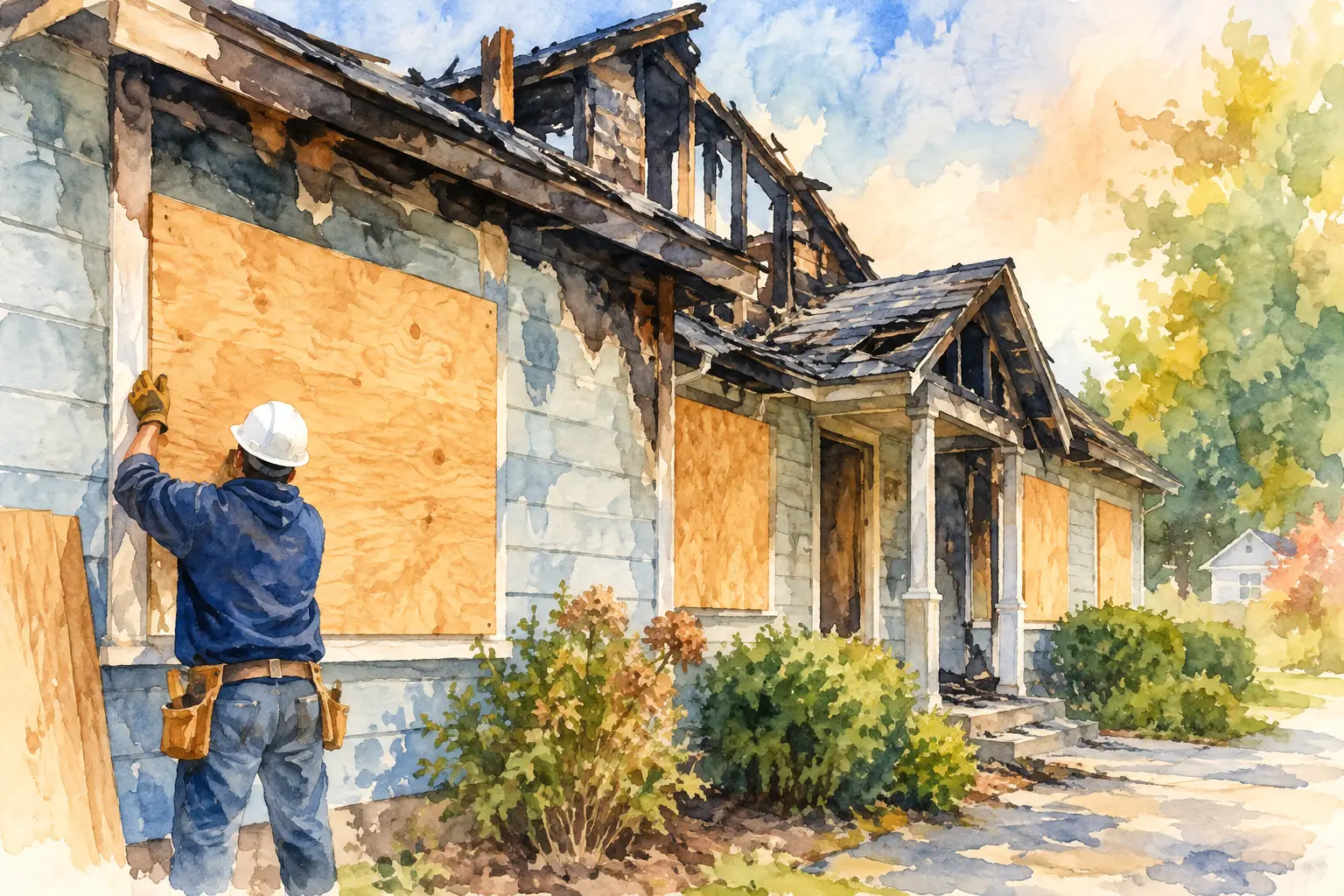
This is where timing matters. Mold conditions can worsen while a property owner waits for a leak to be repaired, a roof to be tarped, or wet materials to dry. A fast response after water damage can reduce the amount of demolition and cleaning required later.
Removal and cleaning address contaminated materials
Mold-affected materials are removed, bagged, and handled according to the project plan. Surfaces that can be saved are cleaned using methods suited to the material and the level of contamination. The work should be deliberate, not cosmetic. Painting over staining or applying fragrance to mask an odor does not resolve underlying growth or moisture.
Contents need attention as well. Furniture, documents, textiles, inventory, and equipment may be evaluated for cleaning, restoration, or disposal. Salvage decisions depend on the item, the extent of damage, and how easily it can be cleaned without creating further risk or disruption.
Restoration returns the space to use
After mitigation and cleaning, rebuilding can begin. This may be as limited as replacing a small section of drywall and repainting, or it may involve insulation, flooring, cabinetry, ceiling systems, and finish carpentry. Coordinating mitigation and reconstruction through one accountable provider reduces handoffs and helps keep the schedule organized.
ServiceMaster Restore by DCS provides this end-to-end approach, from emergency assessment and containment through cleaning, repairs, and reconstruction. That continuity can be especially valuable when a property has both water damage and mold concerns, or when insurance documentation and repair decisions need to move forward together.
What Property Owners Can Do Right Away
If you discover mold or suspect hidden moisture, avoid disturbing the area unnecessarily. Scrubbing a large affected surface, pulling out wet drywall, or running fans without containment can spread debris into nearby rooms. Keep people away from the affected area when possible, especially if the material is actively wet or deteriorating.
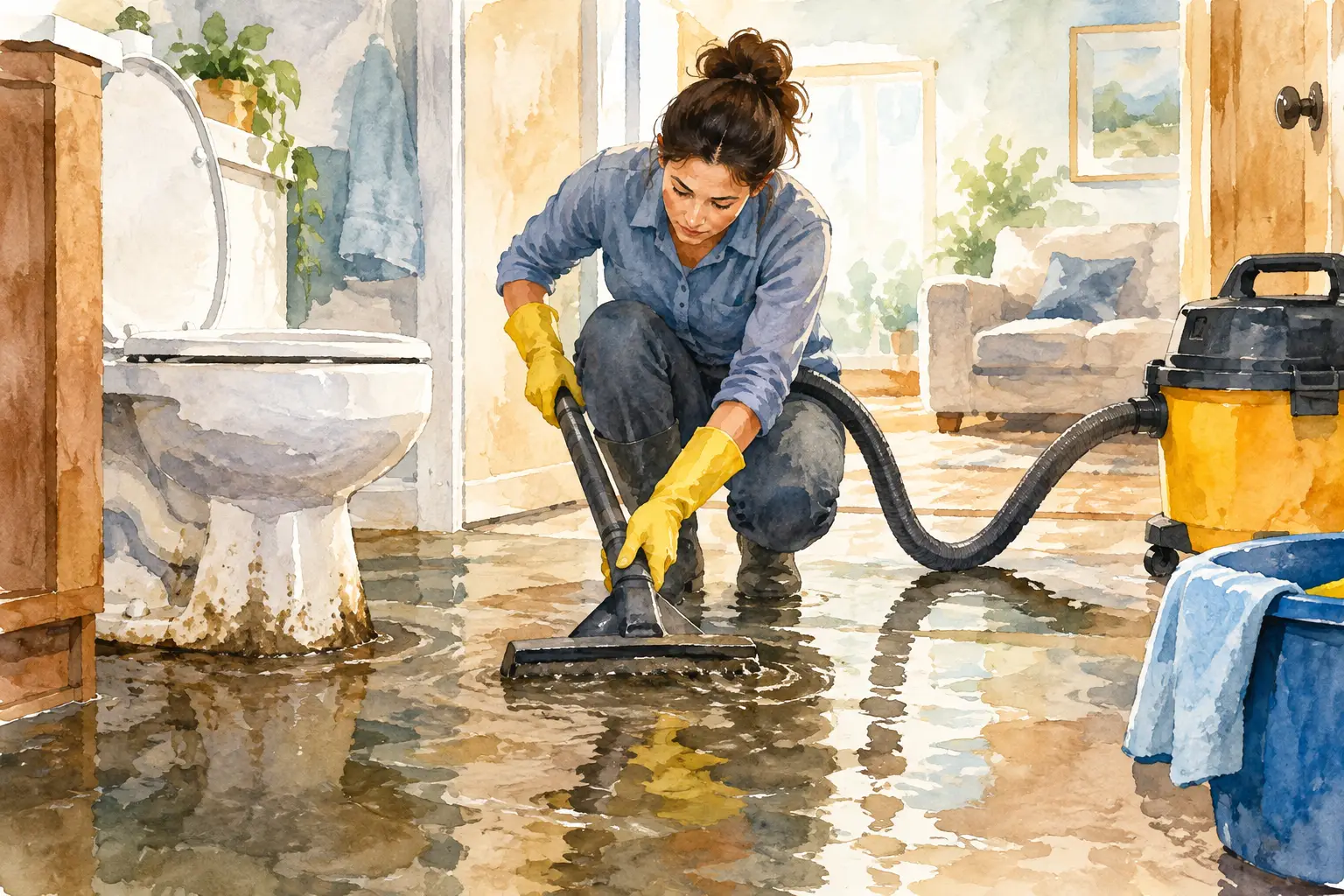
If you can safely do so, stop the source of water. Shut off a leaking fixture, move contents away from moisture, or place a temporary container beneath a drip. Do not enter areas with standing water near electrical hazards, and do not attempt cleanup after a sewage backup without appropriate protection and professional guidance.
It also helps to document what you see. Take photos of visible conditions, damaged contents, and the source if it is apparent. For commercial properties, note when the issue was discovered, which areas are affected, and whether operations or occupants may have been impacted. Clear documentation can support insurance communication and help the restoration team create an efficient work plan.
Why Moisture Control Determines Long-Term Results
The strongest mold remediation plan still depends on preventing new moisture from entering the area. A repaired wall will not stay dry if a roof leak persists. Fresh flooring will not solve a chronic basement humidity issue. Recurrent condensation around pipes or windows can also create conditions that need correction.
After restoration, watch for warning signs such as recurring odors, peeling paint, new discoloration, damp carpet edges, or condensation that does not resolve. In commercial buildings, include roof inspections, plumbing checks, HVAC maintenance, and humidity management in routine property care. Prevention is usually less disruptive and less expensive than responding to repeat damage.
There is no single response that fits every mold situation. A limited surface issue may need focused cleaning and a simple repair, while a concealed leak can require containment, material removal, drying, and reconstruction. What should remain consistent is the process: identify the moisture, control the damage, restore the affected area, and verify that the property is ready to move forward.
When a mold concern appears, early action gives you more options. A clear assessment and a disciplined recovery plan can protect the parts of your property that matter most while bringing your home, business, or facility back to normal with less uncertainty.